 English
  Bahasa Melayu




Scope Of Research
 |
Produce hybrid, inbred and specialty rice varieties that can increase rice yield and rice quality |
|
Develop efficient production systems that increase yields and quality and reduce reliance on incentives |
|
Developing effective, cost-effective, environmentally friendly and sustainable rice pest management technology |
|
Developing a screening system, identifying new diseases and pests |
|
Develop efficient and cost-effective post-harvest handling technologies to reduce yield losses and maintain the quality of rice produce |
Expertise
| Cultivation | |
 |
|
| Agronomy and Production Systems | |
|
|
| Pest and Disease Management | |
|
|
| Post-Harvest Handling | |
|
|
Technology
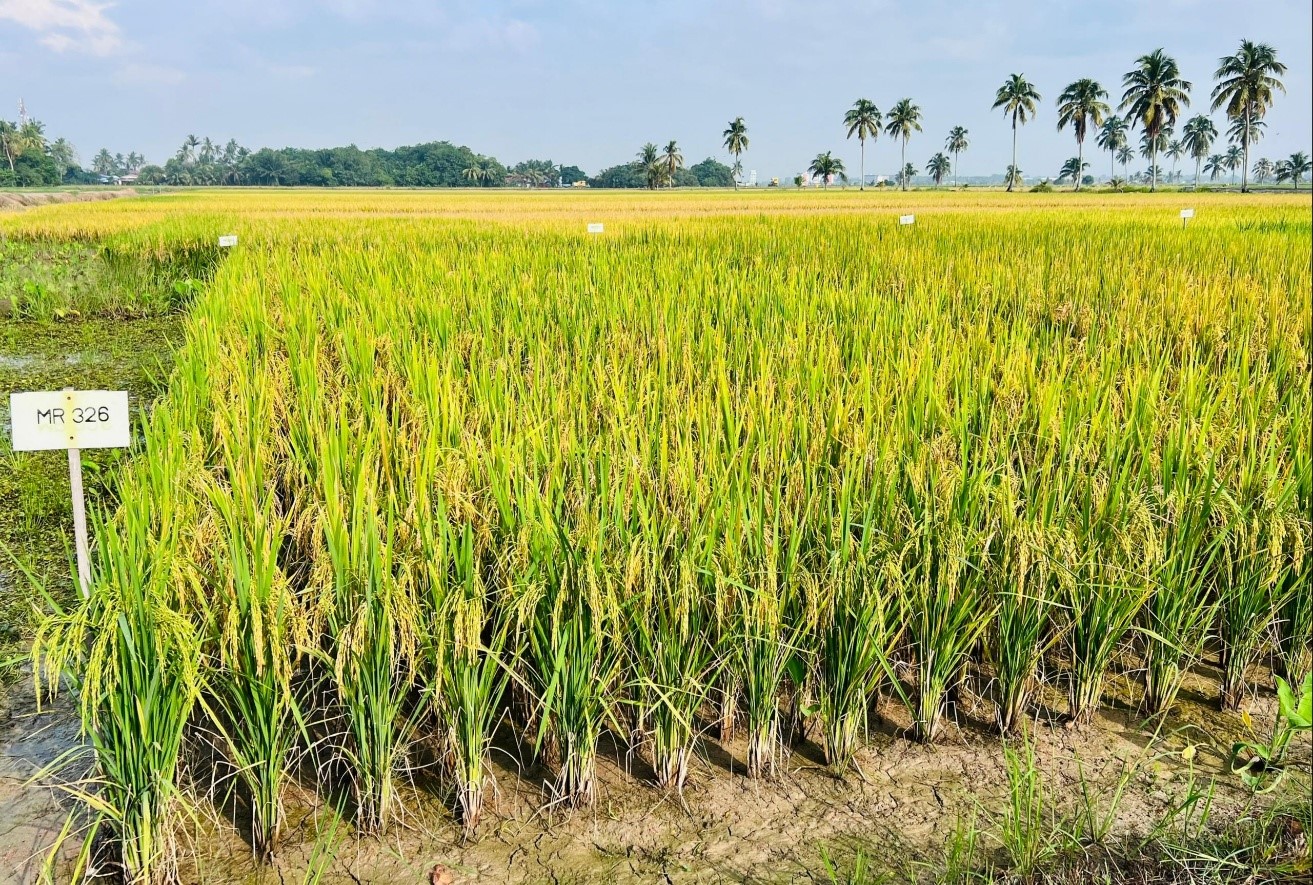
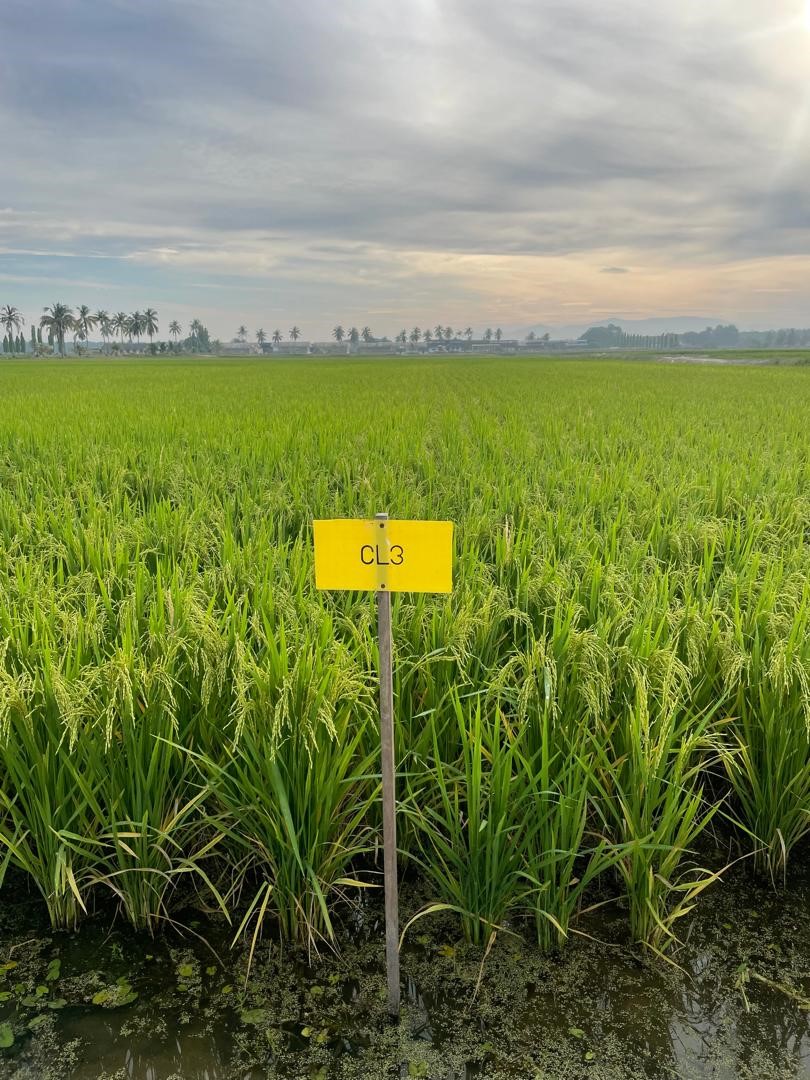
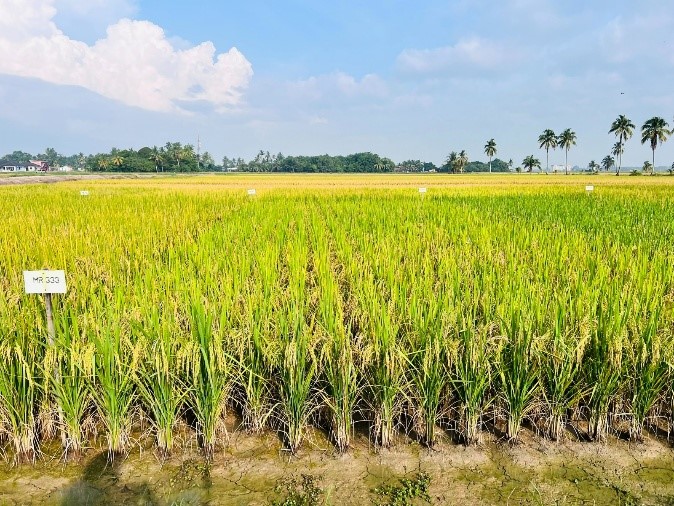
MR 326 (KESIDANG) This variety was introduced in 2024 specifically for cultivation in areas outside granaries. The yield range is around 4.8 – 7.3 t/ha and has the potential to increase yield by at least 1 t/ha in paddy cultivation areas outside granaries. The variety is resistant to leaf rust and stalk rust. MR CL3 Declared in 2025 along with imidazolinone herbicide resistance stewardship technology for wind-blown rice control. The CL3 variety has a short maturity period of 99 days after sowing and a yield potential of around 7.2 – 7.3 t/ha. This variety is resistant to stem rot and moderately resistant to leaf rust. MR CL4 A variety declared with imidazolinone herbicide resistance stewardship technology for wind-blown rice control in 2025. The CL4 variety has a yield potential of around 7.2 – 7.3 t/ha and a short maturity period of 102 days. This variety is resistant to stem rot and moderately resistant to leaf rot. MR 333 (MENORA) The MR 333 Menora variety was declared in 2025 for granary areas with a yield potential of around 5 – 9 t/ha and a maturity period of around 103 – 108 days. This variety is resistant to stalk rot disease and is suitable for planting in most paddy granary areas as an alternative to diversifying existing varieties.

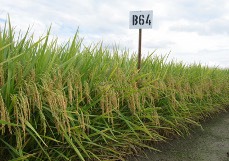
MR 219

Declared in 2001. Yield potential of 10.5 t/ha with a short maturity period of around 111 days after sowing.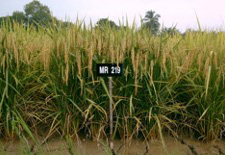
MR 220 CL2
Herbicide resistant variety for wind-damaged rice control. It was introduced together with stewardship technology and is recommended for rice fields with wind-damaged rice problems exceeding 30% and continuous planting is only recommended for three seasons.
MR 297
The MARDI Siraj 297 (MR 297) rice variety has a yield potential of around 9.52 - 9.28 t/ha. This variety has been well received by farmers with a planting coverage area in peninsular Malaysia of around 50.1% (ML 2021).
KADARIA 1
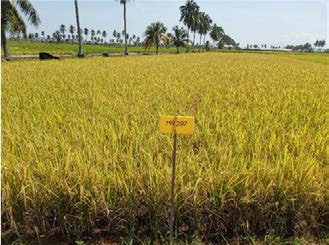
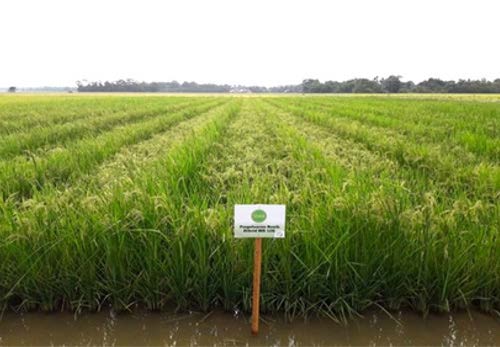
KADARIA 1 is Malaysia's first hybrid rice variety. This variety is recommended for moderately fertile areas. The yield potential of this variety can reach between 9.7 – 12 t/ha in fertile areas and 6.0 – 7.3 in moderately fertile areas and is resistant to leaf rust and stem rust. So far, no seed company is interested in commercializing the KADARIA 1 variety due to lack of technical skills.
MR 315
The MR 315 rice variety is resistant and has an average net yield of around 8.3 t/ha.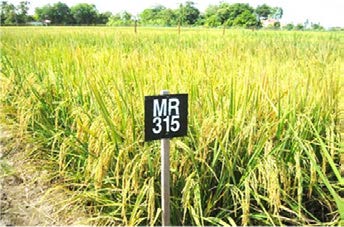

MARDI SEMPADAN 303
Declared in 2018. Yield potential 8.5 – 10.0 t/ha. A variety that is resistant to leaf rust disease, moderately resistant to stem rust and brown rot pests. This variety is less affected by environmental factors and can be recommended for planting in less fertile rice fields.
MARDI SEBERNAS 307
This variety was introduced in 2018. This variety has a yield potential of 10.1 t/ha. The variety is moderately resistant to stem rot and brown rot pests. 
MASRIA
Masria was declared in 1972 as the first local glutinous rice variety produced and planted by rice farmers in most granaries but only on a small scale for their own consumption. This variety has a yield potential of around 3.0 – 4.4 t/ha and a maturity period of around 123 – 126 days.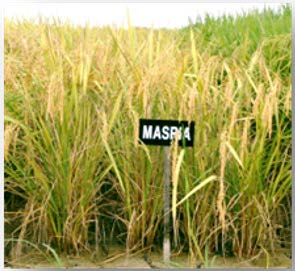
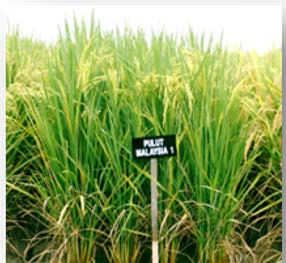
PULUT MALAYSIA 1
Malaysian glutinous rice 1 was declared in 1974 with a yield potential of around 3.9 – 5.0 t/ha and a maturity period of around 135 – 145 days. This variety had a coverage of 0.1% in the northern part of the peninsula from 1979 to 1981, mostly grown for personal and small-scale consumption only.
PULUT SIDING
GLUTEN SIDING GLUTEN was declared in 1981 to have a yield potential of around 2.7 – 4.7 t/ha and a maturity period of around 135 – 143 days. The range of this variety is limited and most farmers plant it in small rice fields for their own consumption only.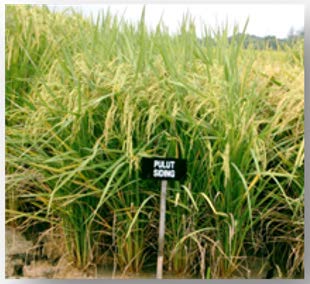
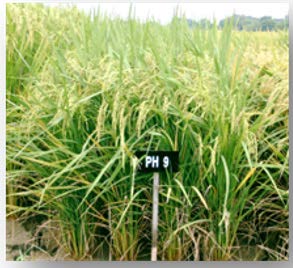
PULUT HITAM 9
Black Glutinous Rice 9 (PH 9) was declared in 1990 as the first black glutinous rice variety suitable for planting in the Main Season and Off-Season. The yield potential of PH 9 is around 3.8 – 4.7 t/ha and the maturity period is around 132 – 136 days. This variety is planted on a small scale each season for farmers’ own use.
MRQ 50
The MRQ 50 fragrant rice variety declared in 1999 is produced from a cross between Q34 and Khaw Dawk Mali (KDML). KDML is a popular fragrant variety from Thailand, while Q34 is a local breed derived from the Mahsuri parent. It has the same rice elongation characteristics as basmati rice. 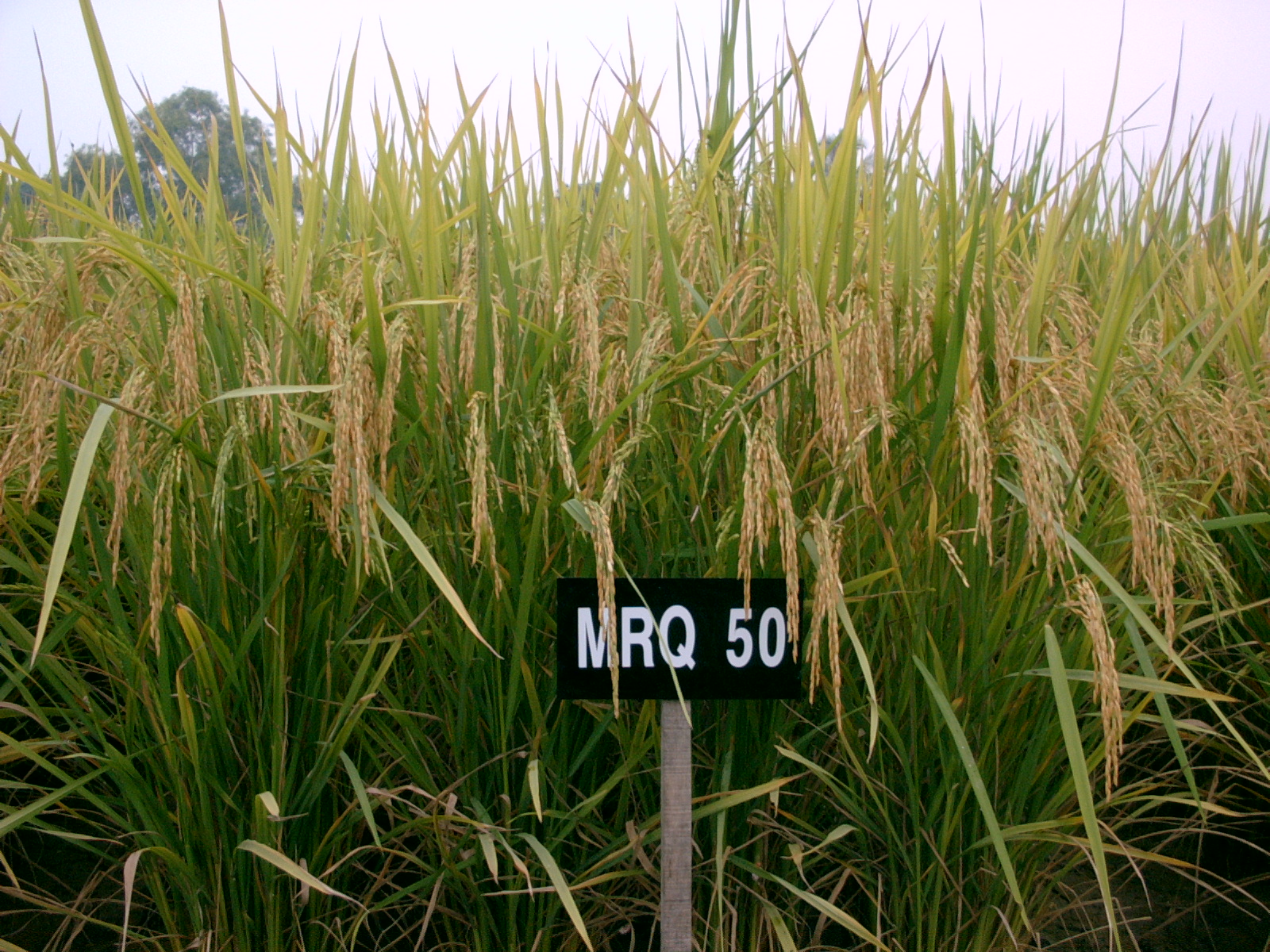
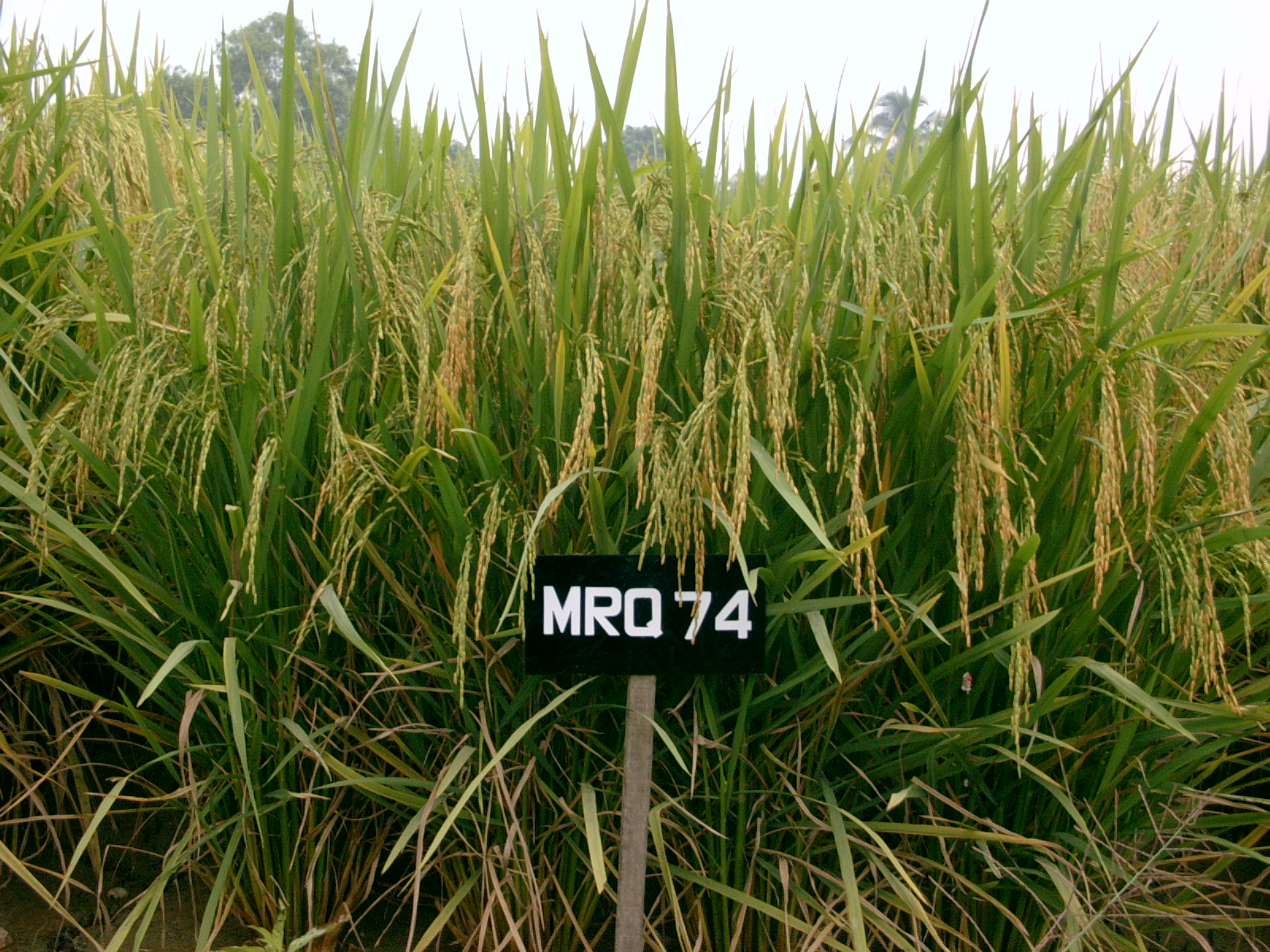
MRQ 74
This variety was declared for public use in 2005. This variety is grown in MADA, Kerian and KADA in small plots with special packages. This rice is harvested separately from other rice and processed separately to be made into local fragrant rice. The rice is aromatic and fragrant, while its maturity period is around 125 days.
MRQ 76
MRQ 76 is a cross between Q 72 and Cuicak Wangi, a variety from Taiwan. This variety has been selected as a new fragrant rice variety with fragrant, soft and slightly sticky rice qualities. It was declared in 2012 and until now it has been successfully produced commercially through several projects involving companies such as FGV Bhd. Sri Merbok Sdn. Bhd. and Koperasi Permatang Nibong.


MRQ 88
The MRQ 88 fragrant rice variety was introduced by MARDI in 2016 to diversify local specialty rice. MARDI Wangi 88 can be promoted as a fragrant rice with a Malaysian flavor, especially among consumers who prefer medium-soft rice. The promotion of this variety can also be targeted at non-fragrant rice fans because the characteristics of this variety of rice are the same as regular rice.
MRQ 104
MRQ 104 is a fragrant rice variety introduced in 2021. It has a rice taste that is equivalent to imported fragrant rice such as aromatic, medium soft and non-sticky rice texture. The yield potential of this variety is around 3.0 – 5.4 t/ha and its maturity period is around 115 – 122 days.


MRQ 103
MRQ 103 is a fragrant rice variety introduced in 2022. Apart from having a rice taste that is equivalent to imported fragrant rice, it has added value in terms of nutritional value, namely a low glycemic index (GI). Therefore, MRQ 103 rice has the potential to be made into a premium product that has a higher market price compared to regular white rice.
MRQ 107
MRQ 107 is a MARDI fragrant rice variety introduced in 2024 produced through the crossbreeding method between the MRQ 74 variety and the recurrent parent MRQ 76 variety. This variety has a medium maturity period of 112-115 days after sowing, is resistant to leaf rust and stem rust diseases and has a yield range of 3.0-6.6 t/ha at the local validation test (LVT) level. The uniqueness of MRQ 107 lies in the soft and aromatic rice texture and is suitable for use as boiled rice as a commercial product. 

MRQ 111
The MRQ 111 variety was introduced in 2024 and was produced through the crossbreeding method between the popular fragrant rice varieties MRQ 76 and MRQ 85 and the recurrent parent variety MRQ 76. MRQ 111 matures in around 116 - 118 days and shows good resistance to leaf rust and stem rust. The yield potential is between 2.6 - 5.8 t/ha at the local verification test (LVT) level. The uniqueness of MRQ 111 lies in its soft and slightly sticky rice texture, moderate aroma characteristics and is suitable for the production of boiled rice.
MRM 16
MRM 16 was declared in 2010. This red rice variety is planted twice a year with a yield potential of around 4.5 t/ha and has high anthocyanin content.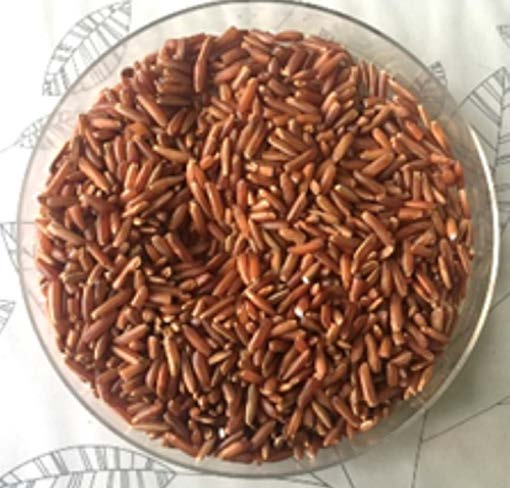
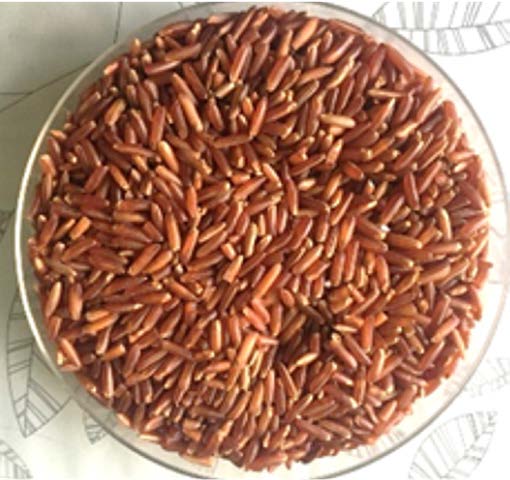
MRQ 98
MRQ 98 was declared in 2018. This red rice variety is planted twice a year and has a high yield potential of around 5.7 t/ha.
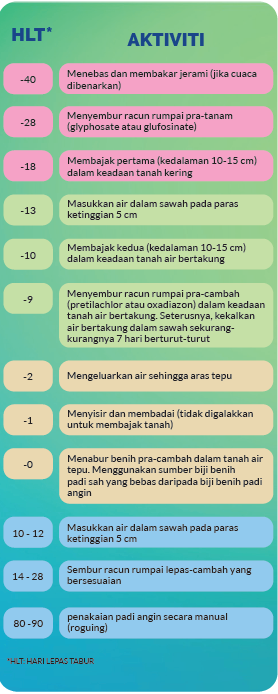
The bacterial blight (BBF) disease management package was developed as a recommendation for the control and prevention of BBF in rice cultivation through the integration of seed treatment methods and foliar sprays at the mature plant stage. This package helps inhibit the growth of B. glumae on the seed surface, directly reducing the source of inoculum on the seed surface, capable of reducing the incidence of BBF in the field by up to 50% without significantly affecting the germination rate of rice seeds, easy to follow management by farmers where sowing can be done immediately after seed treatment, no significant phytotoxic effects on rice plants and affordable treatment costs.

PEMBANGUNAN PAKEJ BAJA NPK SPESIFIK DI YAN, MADA
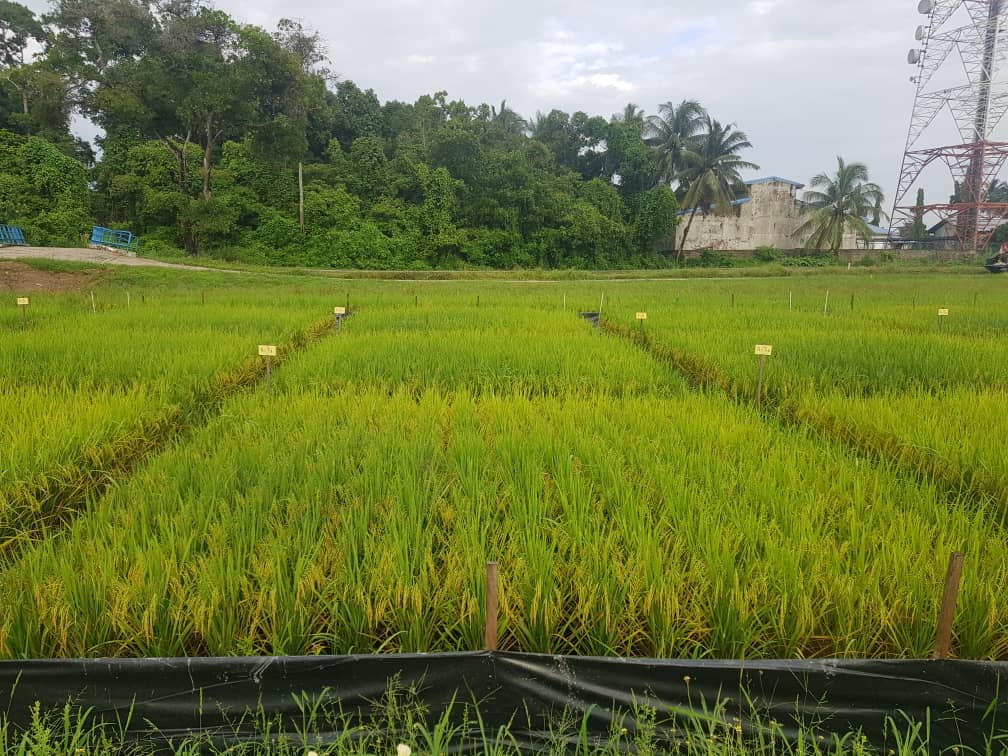
This package is a technology that can be utilized by approximately 1,000 farmers in Yan MADA with a recommended NPK fertilization rate ratio of 91.7:50.3:81.5 kg/ha. The implementation of this package on a large scale by farmers in Yan MADA has shown an increase in income of RM362.47/ha compared to the current subsidy package based on savings in fertilizer input use and increased yields.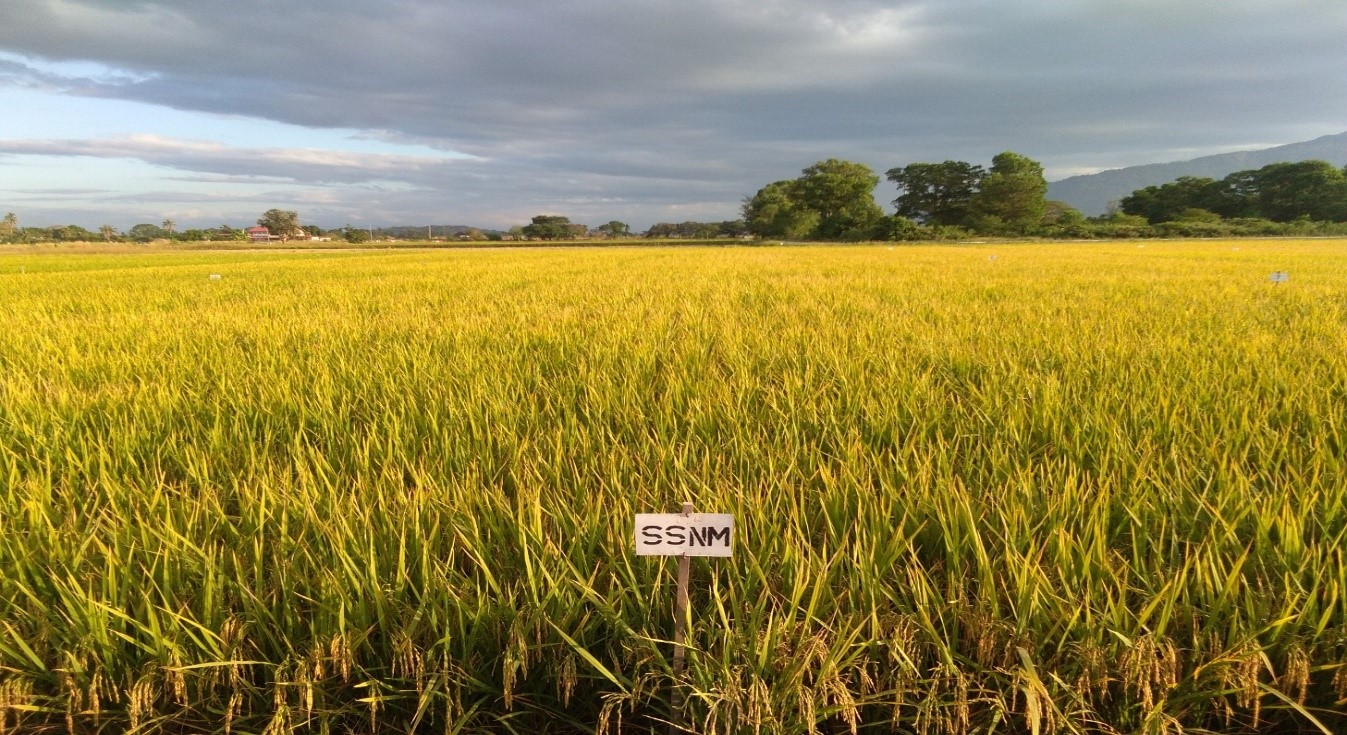
PEMBANGUNAN PAKEJ BAJA NPK SPESIFIK WILAYAH KADA
KADA region-specific NPK fertilizer package is a technology package based on Site Specific Nutrient Management (SSNM) where fertilizer use is specific to the KADA Region. Studies at nine locations in KADA show that the use of 105 kg N/ha, 44 kg P 2 O 5 /ha and 78 kg K 2 O/ha can increase rice yields in KADA. This package can increase rice yields from 6 t/ha to 7 t/ha.
PEMBANGUNAN PAKEJ BAJA NPK SPESIFIK IADA BARAT LAUT SELANGOR
This package is a specific SSNM technology in IADA and is utilized by farmers in a local area of 130 ha. The technology focuses on Organic Clay Muck (OCM) soil with a recommended fertilization rate of 75.0:27.5:50.4 NPK kg/ha in this area. The application of this specific fertilizer is estimated to produce additional benefits of RM1,570.23/ha compared to only using the existing subsidized fertilizer package.
PADI MANDUL JANTAN SITOPLASMA CMS 0025A/B
Titisan padi 0025A is a CMS MARDI rice parent developed in 2012. It is used as a hybrid parent in hybrid rice breeding. This parent has pollen sterility characteristics of over 99%, stigma protrusion rate of 21.3%, maturity period of 105 days, low plant height, and moderate resistance to rust and brown spot diseases. CMS 0025A along with other parents 0025B and 004R are the rice parents used in the development of MARDI's first hybrid rice, namely Kadaria 1 (MR 12H.) 

PADI MANDUL JANTAN SITOPLASMA CMS 0053A/B
0053A is a CMS rice parent developed by MARDI in 2018. This parent has characteristics of sterility of around 98%, stigma elongation rate of 48.0%, maturity period of 99 days, low plant height, and resistance to leaf rust disease and moderate resistance to stem rust disease. This innovation has the potential to be used in the development of new hybrid rice varieties and the production of hybrid rice seeds.
Publications
- Amirrudin,M. et.al. (2018). MARDI Sebernas 307: New Rice Variety. Paper presented at 4th International Plant Breeding Conference. Bangi, Selangor, Malaysia.
- Chong, T.V., Azimah, A.K., Azmi, M., Chew, S.E., Baharudin, A., Norhidayati, S., Aqilah, A. dan Syazwani, M.R. (2014). Penentuan Tempoh Kritikal Untuk Mengawal Rumpai dalam Kawasan Penanaman Padi Wangi MRQ 76, Q 88 dan Q 89. Jurnal Teknologi. 70(6):13-15.
- Dilipkumar M., Ahmad-Hamdani M.S., Rahim H., Chuah T.S. and Burgos N.R. 2021. Survey on weedy rice (Oryza sativa) management practice and adoption of Clearfield rice technology in Peninsular Malaysia. Weed Science, doi https://doi.org/10.1017/wsc.2021.16.
- Dilipkumar M, Badrulhadza A., Mohd Khusairy K., Mohd Shahril Firdaus A. R., Chong T.V., Chuah T. S. (2020). Manual Teknologi Kawalan Padi Angin Edisi 2020. MARDI, Serdang, Malaysia.
- Dilipkumar M., Chuah T. S., Goh S. S. and Ismail S. (2017). Weed management issues, challenges, and opportunities in Malaysia. Crop Protection, Doi: 10.1016/j.cropro.2017.08.027.
- Dilipkumar M., Song B.K., Ting X.N., Chuah T.S. and Asfaliza R. 2019. CHAPTER 14: Weedy rice (Oryza sativa L.) (English Name: Weedy rice; Malay Name: Padi angin). In: Invasive Weeds of Malaysia and Their Sustainable Management (ed. Rezaul Karim S.M., Abdul Shukor J., Rao A.N., Dilipkumar M., Laila N., Muhammad Shakirin M. and Norhafizah M.Z.), Universiti Putra Malaysia, Selangor, Malaysia. p. 202-214.
- Elixon S, Mohd Solihen J., Shamsul Amri S., Mohd Bahagia A.G., Amirrudin M., Rahiniza K., Asfaliza R., Kogeethavani R., Dilipkumar M., Siti Norsuha M., Mohd Fitri M., Maisarah M.S., Mohd Naim Fadzli A.R., Shajarutulwardah M.Y., Erwan Shah S., Nur Atiqah M.K., Shahida H. dan Wahid S. (2019). Varieti Padi Baharu - MARDI Sempadan 303 dan MARDI Sebernas 307. Pembentangan kertas lisan di Persidangan Pesawah Padi Kebangsaan, 6-7 Ogos 2019, Universiti Putra Malaysia, Serdang Selangor.
- Elixon S., Mohd Solihen J., Shamsul Amri S., Amirudin M., Rahiniza K., Asfaliza R., Shahida H., Kogeethavani R., Siti Norsuha M., Mohd Fitri M., Maisarah M.S., Muhammad Naim Fadzli A.R., Shajarutulwardah M.Y., Hanisa H., Badrulhadza A., NurulNahar E., Hairazi R., Zakiah M.Z. dan Hamidah M.S. (2021). Varieti padi baharu MARDI: MR 315. Buletin Teknologi MARDI Bil. 23 (2021)(in press).
- Elixon S., Mohd Solihen J., Shamsul Amri S., Mohd Bahagia A.G., Amirudin M., Rahiniza K., Asfaliza R., Kogeethavani R., Dilipkumar M., Siti Norsuha M., Mohd Fitri M., Maisarah M.S., Mohd Naim Fadzli A.R., Shajarutulwardah M.Y., Erwan Shah S., Nur Atiqah M.K. dan Wahid S. (2019). MARDI Sempadan 303 – Varieti padi baharu MARDI. Buletin Teknologi MARDI Bil. 17 (2019): 155-166.
- Elixon S., Mohd. Solihen J., Asfaliza R., Othman O., Habibbudin H., Siti Norsuha M., Maisarah M.S. (2014). Ciri morfologi, fisiko-kimia dan kerintangan dua titisan padi kemandulan jantan sitoplasma (CMS) baru. Jurnal Teknologi (Sciences & Engineering) 70(6): 17–23.
- Elixon Sunian, Mohd Solihen, J., Shamsul Amri, S., Amirrudin, M., Rahiniza, K., Asfaliza, R., Kogeethavani, R., Siti Norsuha, M., Mohd Fitri, M., Maisarah, M. S., Mohd Naim Fadzli, A. R., Shajarutulwardah, M. Y. Shahida, H., Hanisa, H. & Badrulhadza, A. (2019). Varieti padi berhasil tinggi – Elemen di dalam sistem pertanian tepat. Pembentangan poster Seminar Kebangsaan Teknologi Pertanian Tepat Padi (TEPad) 2019, 27-29 Ogos 2019, Hotel Ixora Pulau Pinang.
- Elixon, S., Asfaliza, R., Othman, O., Siti Norsuha, M., Maisarah, M. S., Allicia, J. and Shahida, H. (2017.) Evaluation on yield, yield components and physic-chemicals of advanced rice lines. J. Trop. Agric. and Fd. Sc. 45(2): 131 – 14.
- M.N.F. Abd Rani, N.S. Samsuri, M.A. Mhd. Bookeri, M.N. Mohd Yusof, M.S.S. Mohamad Ghazali, M.S. Abdul Rahman, B.H. Abu Bakar, S. Mohd Yusob, A.A. Muhamad Mujab, S. Hashim, A.A. Ismail, M.S. Jamal, E. Sunian Sulaiman and A. Ramli (2020). Soil nutrient and texture mapping using GIS for rice precision farming', ASM Science Journal, 13, Special Issue 4, pp. 90-95.
- Mohd Fitri, M., Mohammad Aufa, M. B. and Mohd Akmal, M.Y. Brown planthopper surveillance technique between light trap and manual sampling. (2019). International Journal of Agriculture, Forestry and Plantation (IJAFP) Volume 8 (June 2019) ISSN 2462-1757. pg 134-136.
- Mohd Solihen J. dan Elixon S. (2019). MR 12H: Varieti Padi Hibrid Malaysia Pertama, Buletin IMEJ Komunikasi MARDI, Bil.3/2019, m.s 6 -7.
- Mohd Solihen Jamal, Elixon Sunian, Asfaliza Ramli, Rahiniza Kamaruzaman, Shamsul Amri Saidon, Noorman Affendi Marzukhi, Amirrudin Mokhtar, Muhammad Naim Fadzli bin Abd Rani, Shahida Hashim, Siti Norsuha Misman, Kogeethavani Ramachandran, Mohd Fitri Masarudin, Maisarah Mohd Saad, Erwan Shah Shari dan Dilipkumar Masilamany. (2020). Kadaria 1 – Varieti Padi Hibrid Pertama MARDI. Buletin Teknologi MARDI Bil. 22 (2020): 1-11.
- Mohd Solihen, J., Elixon, S. Asfaliza, R., Thiyagu, D., Rahiniza K. dan Muhammad Naim Fadzli, A.R. (2017). Pencirian titisan baru mandul jantan sitoplasma padi hibrid (Oryza sativa L.). Prosiding Persidangan Padi Kebangsaan 2017. 26-28 September 2017, Dorsett Grand Subang, Selangor. ISBN 978-967-936-654-9. P, 149-155.
- Siti Norsuha, M. and Latiffah, Z. (22019). Pathotype Identification of Rice Blast Pathogen, Pyricularia oryzae Using Differential Varieties in Peninsular Malaysia. Tropical Life Sciences Research, 30(2): 181–190.
- Zaki Musa, Asfaliza Ramli, Hanisa Hosni, Kogeethavani Ramachandran, Siti Norsuha Misman, Mohd. Fitri Masarudin, Shamsul Amri Saidon, Rahiniza Kamaruzaman, Wahid Said dan Engku Hasmah Engku Abdullah. (2019). MARDI Warna 98 – padi warna berkhasiat (MARDI Warna 98 – healthy edoured rice). Buletin Teknologi MARDI Bil. 15 (2019): 29-34
Contact
DIRECTOR
Paddy and Rice Research Centre (PR)
MARDI Headquarters
Telefon : 03-89536200
No.Faks : 03-89536220
- Published on 10 November 2022
- Last modified on 24 November 2025