 English
  Bahasa Melayu




MARDI Technology
-
BIOLOGICAL CONTROL OF LOCAL BIODIVERSITY
Bumblebee ( HETEROTRIGONA ITAMA)BREEDING PACKAGE
This package was developed to create a chain so that the breeding process for the bumblebee species does not stop at a certain stage, is more sustainable and guarantees the survival of the colony and the quality of the honey produced.

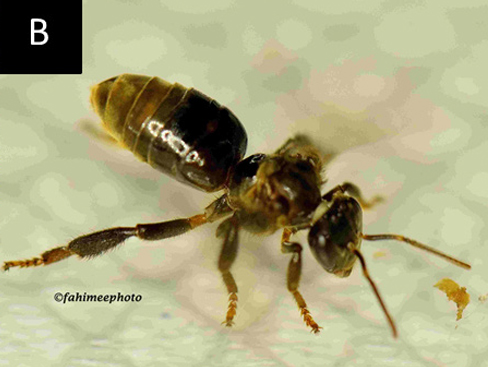
In vitro use of queens in colonies. (A) The queen that is introduced into the colony through the fertilization process. (B) Young queens produced through the in vitro process 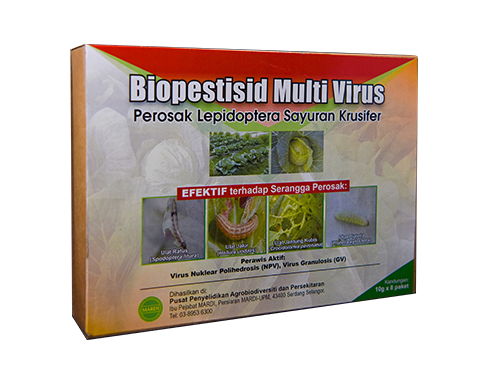

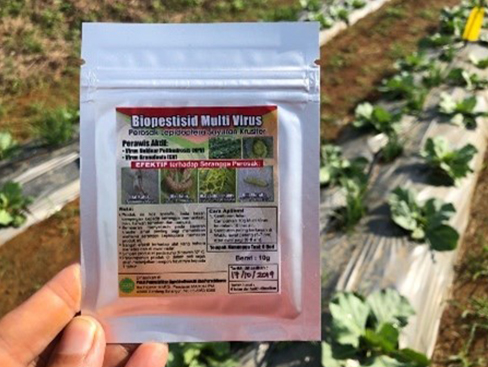
MULTI VIRUS BIOPESTICIDE FOR LEPIDOPTERA PEST CONTROL OF CRUCIFER VEGETABLES
This biopesticide is specifically formulated to control the main Lepidoptera pests of cruciferous vegetables (round cabbage, Chinese cabbage, mustard, kailan, broccoli, and cauliflower), which are centipedes ( Spodoptera litura ), Plutella caterpillars ( Plutella xylostella ), cabbage heartworms ( Crocidolomia pavonana ) and strip caterpillars ( Hellula undalis ).
MASS CULTIVATION OF BIOLOGICAL CONTROL AGENTS DIADEGMA SEMICLAUSUM, COTESIA VESTALIS AND TRICHOGRAMMA CHILONIS FOR THE CONTROL OF MAJOR PLANT PESTS
This technology is specifically for mass cultivation of three types of parasitoids, namely Diadegma semiclausum, Cotesia vestalis and Trichogramma chilonis. These beneficial insects are natural enemies of Lepidoptera pests that attack vegetable and corn crops such as Plutella xylostella , Spodoptera litura and Spodoptera frugiperda . The cultivation of larval stage parasitoids, namely D. semiclausum and C. vestalis, was carried out using larvae of the pest P. xylostella on cabbage seedlings in the laboratory. The cultivation of T. chilonis egg parasitoids was carried out using a mixture of rice husk, rice bran and broken rice as the main food of the host, Corcyra cephalonica.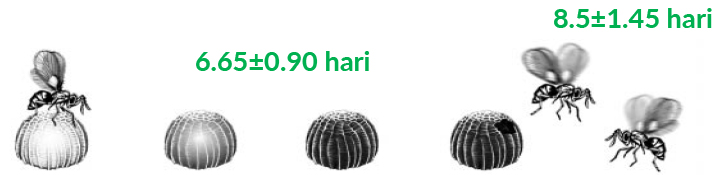
Life cycle of T. chilonis maintained on eggs of C. cephalonica host -
MYGENEBANK™
NATIONAL GENE BANK
The agrobiodiversity gene bank has six main stations, namely Serdang, Jerangau, Seberang Prai, Jelebu, Kemaman and Bintulu. Serdang and Seberang Prai focus on seed gene banks, while the others are developing plantation gene banks. Paddy conservation activities are carried out in Seberang Prai, while herbal, medicinal and traditional crops are in Jerangau. Serdang is also a major centre for the conservation of exotic and native fruits and other agricultural crops. The gene bank collection currently includes 19,315 species and is growing annually.
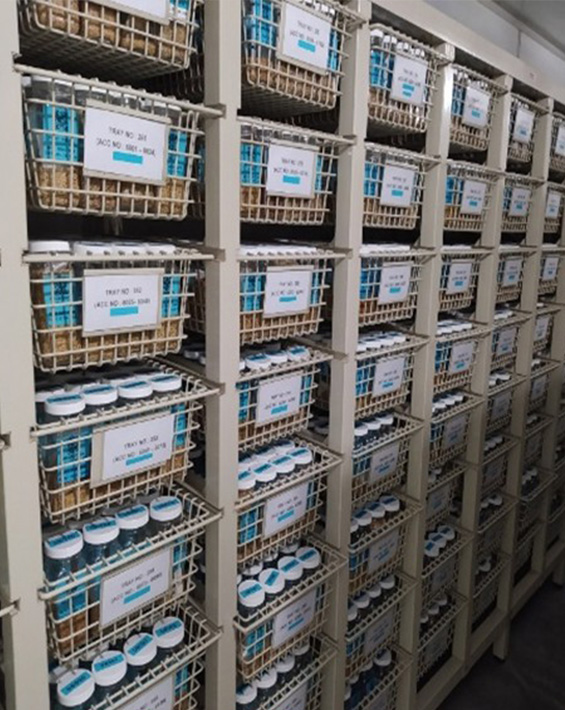
Bank Gen Agromakanan Kebangsaan – Kompleks MyGeneBank™ Bank Gen Padi Kebangsaan di MARDI Seberang Perai
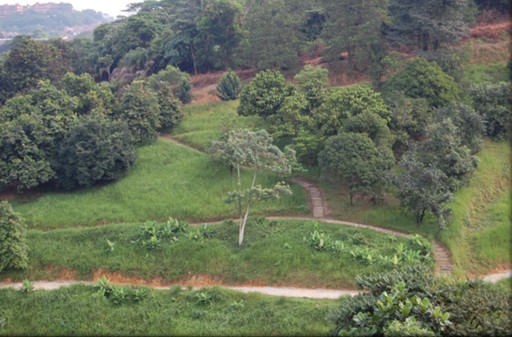
RARE FRUIT GEOPLASMS
Includes elite fruit accessions and fruit conservation collections at MARDI SerdangWILD MANGO UPGRADING PLOT
The plot for upgrading the elite accessions of kuini (Mangifera odorata) involves as many as 5 elite accessions at MARDI Sintok, Kedah.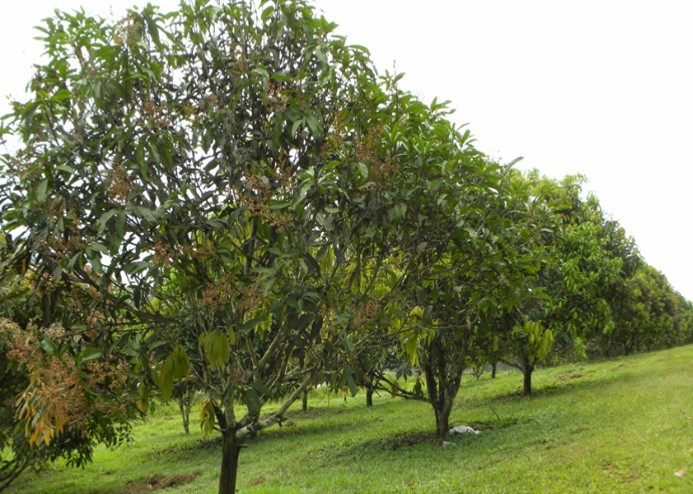
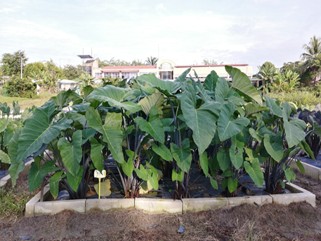
YELLOW YALM GEOPLASMA
The yam (Colocasia esculenta) plant geneaplasm includes the traditional Malaysian yam accessions in MARDI Serdang.WILD AND TRADITIONAL TUMBLE GEOPLASMS
Wild tuber germplasm (Dioscorea, Amorphophallus and Coleus) for potential future food security.
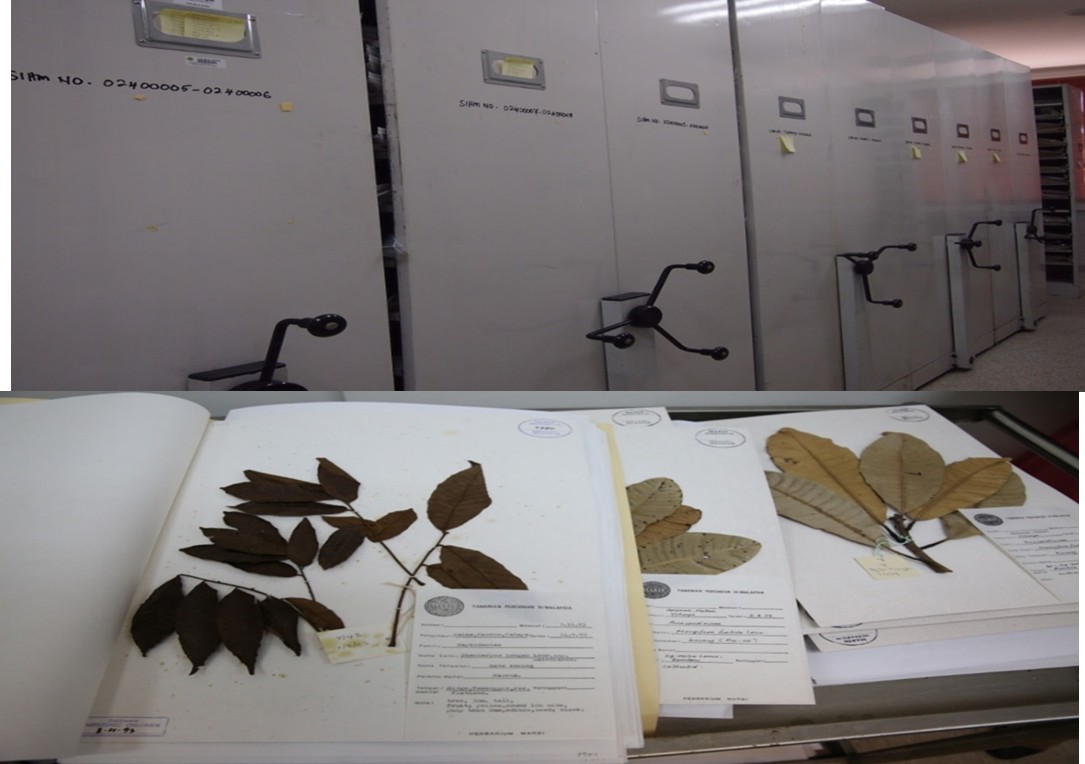
HERBARIUM MDI
Reference collection of agrobiodiversity specimens Herbarium MDI in the MyGeneBank™ Complex.PHYTOCHEMICAL LABORATORY
Phytochemistry Laboratory research facility for the analysis of potential chemical compounds from agrobiodiversity sources at the MyGeneBank™ Complex.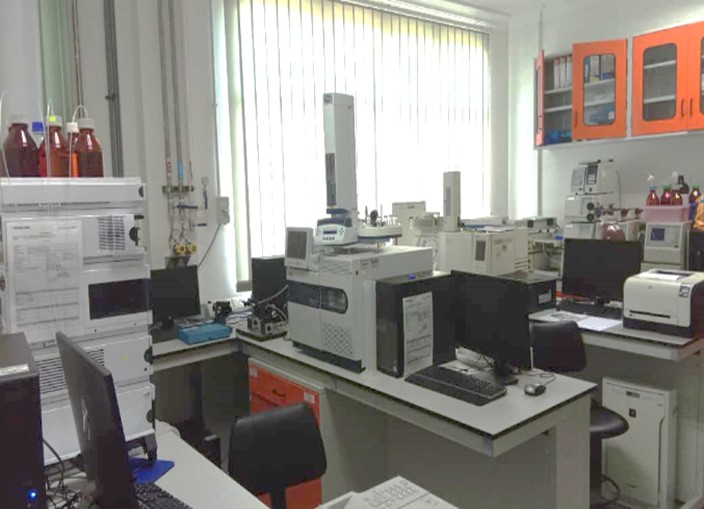
-
ADAPTATION TO CLIMATE CHANGE AND EXTREME WEATHER
CLIMATE CHANGE ADAPTATION TECHNOLOGY FOR RICE CROP THROUGH SATURATED AND WET WATER
MANAGEMENT METHOD Climate change adaptation technology through saturated and wet water management method is one of the strategies for sustainable rice cultivation. This alternative water management can save up to 35% of water input, reduce 30 – 55% of methane gas emissions and maintain high rice yields of around 6 – 7 t/ha.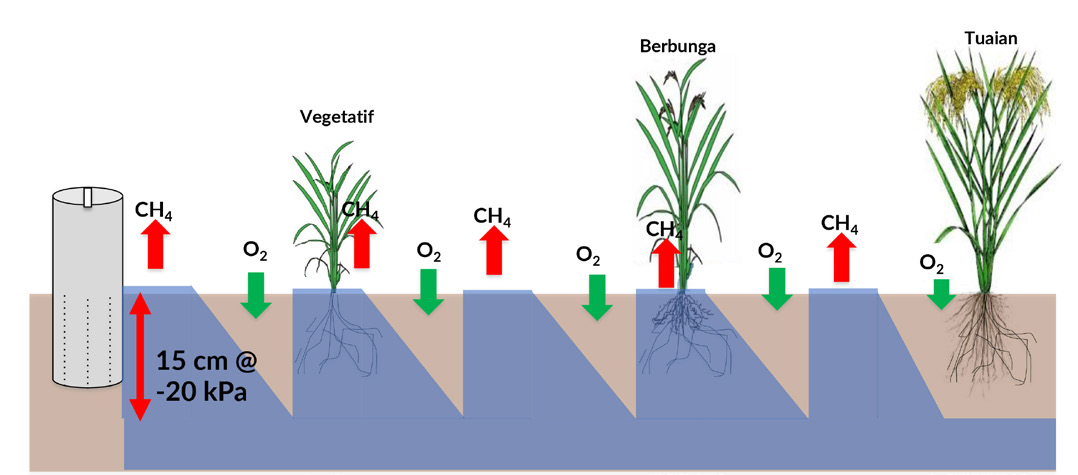
Wet soil conditions to reduce soil anaerobic period -
EXPLORING FUTURE FOOD SOURCES
COMPLETE PACKAGE OF PLANTING QUINN (MANGIFERA ODORATA)
It is the result of research and data collection on kuini crops since the early 2000s. It includes botanical information, nutrition, basic planting requirements, post-harvest handling, pest and disease management and economic analysis of kuini production to maximize the potential and popularity of this species for diverse agribiodiversity market segments.


PIONEER SCALE YAM PRODUCTION TECHNOLOGY
Cultivation of new sources of carbohydrates is important to ensure food security in Malaysia. Yam is one of the food sources that supplies carbohydrates in this country. This yam production technology is very relevant to the country's agricultural industry and covers aspects of morphological characterization, genetic relationships, nutrition, agronomy, pests and diseases, tissue culture development as well as economic and market analysis.POST-HARVEST HANDLING TECHNOLOGY FOR YALMUTAS (COLOCASIA ESCULENTA)
Techniques to extend the shelf life and maintain the quality of fresh yams ( Colocasia esculenta ) using optimal handling packages starting from harvesting at the appropriate maturity index, roasting, sanitation, curing treatment at optimal temperature, relative humidity and duration, using appropriate packaging materials and storage at optimal temperatures.
-
MITIGATION AND SUSTAINABLE AGRICULTURE
PYROLYSIS TECHNOLOGY FOR PRODUCTION OF BIOCHAR AND WOOD VINEGAR FROM AGRICULTURAL WASTE
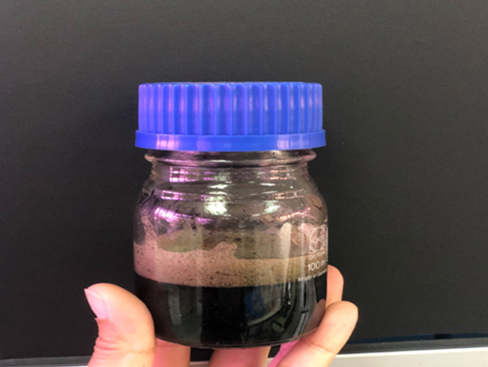
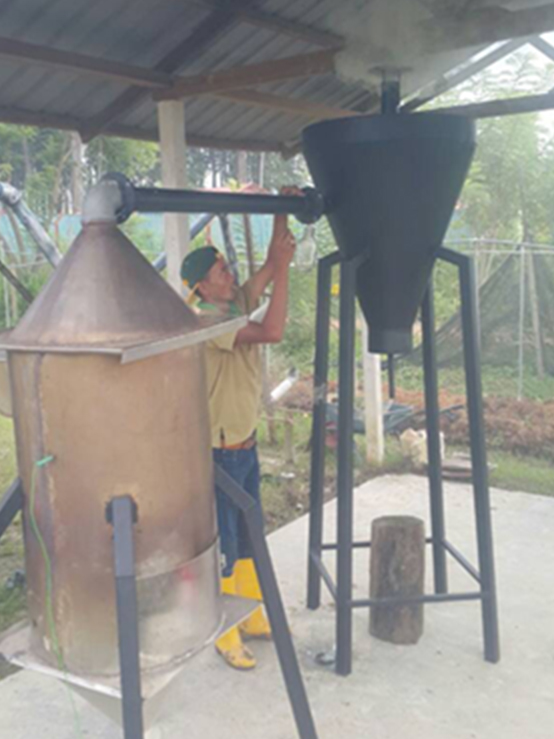
This technology is pyrolysis for the production of biochar and wood vinegar from agricultural waste. It is an effective method of managing agricultural waste through pyrolysis techniques ( slow pyrolysis ) which can produce biochar and wood vinegar. The wood vinegar produced is an acidic substance that is beneficial to plants as an insect repellent and is also effective as a biofungicide.
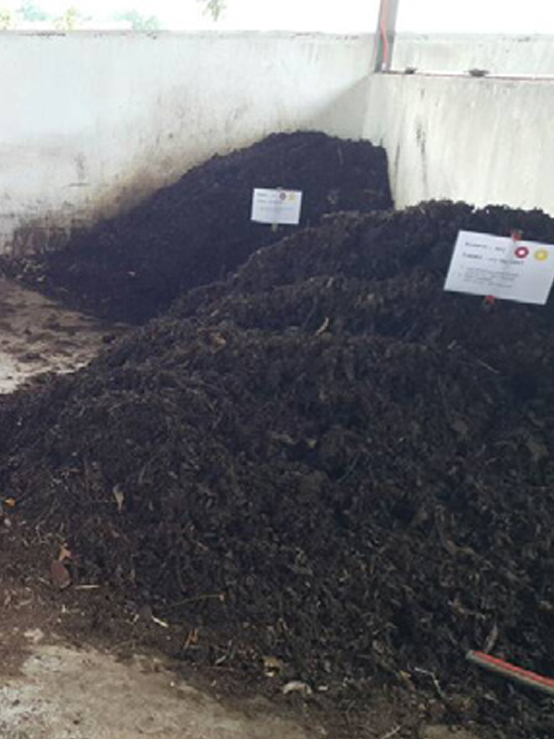
LARGE-SCALE LANDSCAPE WASTE MANAGEMENT TECHNOLOGY THROUGH COMPOSTING METHODS
Composting landscape waste can improve existing disposal techniques and contribute back to MARDI by reusing the compost that has been produced for planting purposes.GREENHOUSE GAS EMISSION MITIGATION TECHNOLOGY FOR RICE CROP THROUGH THE APPLICATION OF MI KROB STRAW DECOMPOSER
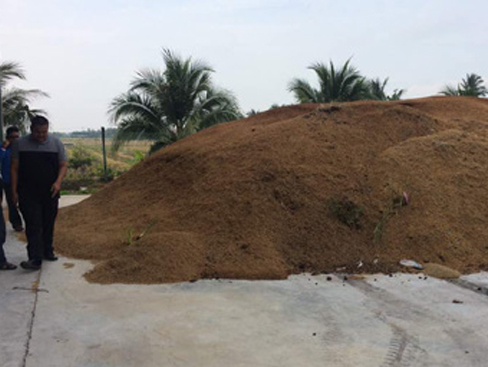
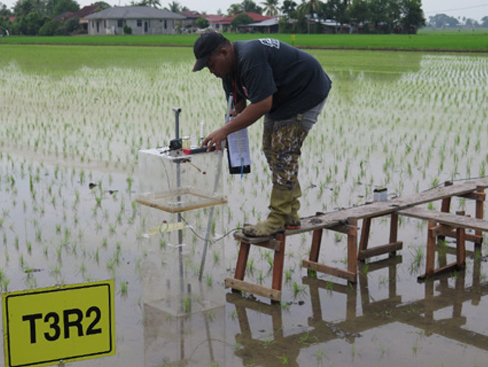
Initial study findings through the Life Cycle Assessment (LCA) process show that 76.85% of greenhouse gas (GHG) emissions from rice cultivation are caused by anaerobic cultivation methods. One alternative to reduce GHG emissions is through the application of microorganisms that can help the rate of straw decomposition (degradation) in the field.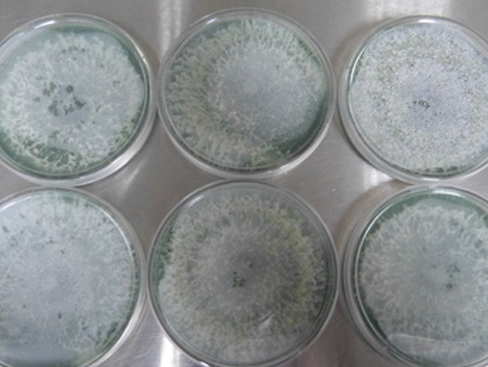
Biotechnology and Nanotechnology
-
HEALTH PRODUCTS
BLACK G: HEALTH PRODUCT BASED ON BLACK TURMERIC
This product is suitable for taking as a food supplement for the elderly, adults and sportsmen because it can improve health, blood flow and muscle strength as well as reduce fatigue and obesity, as well as increase hormones.
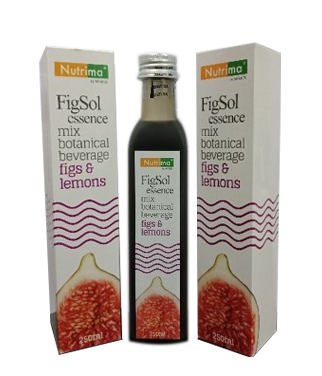

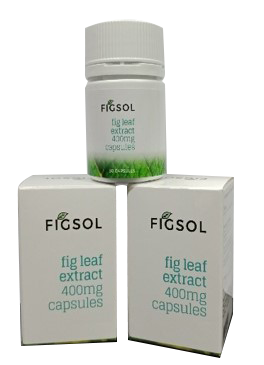
FIGSOL: HEALTHY CAPSULES AND DRINKS WITH BIOACTIVE INGREDIENTS FROM CANNED FRUIT
FigSol in capsule form and oil extracted from fig leaves are rich in the active ingredients furanocoumarin and epigenin glucoside . The compounds contained in fig leaves show that they are beneficial as antioxidants, antitumors and anticancer because they contain coumarins and flavonoids .
TERUNGOLD™: A DRINK FORMULATED WITH SAVOURED EGGPRIN FOR WEIGHT CONTROL
TERUNGOLD TM is a product made from Sarawak sour eggplant ( Solanum ferox ). The product's effectiveness in combating obesity, preventing weight gain and reducing excess weight has been studied.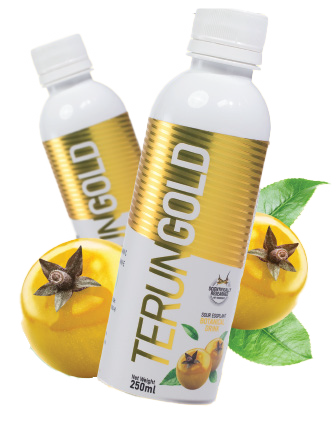

CLEOSAFE: ANTI-INFLAMMATORY CREAM BASED ON MAMAN VEGETABLES
Cleosafe is rich in natural phytochemicals and has the potential to treat skin inflammation on par with NSAIDs ( diclofenac sodium ) which are commercially sold on the market. -
BIOSENSOR
DNA MARKER TECHNOLOGY FOR VERIFICATION OF PURITY OF CROP VARIETIES AND LIVESTOCK STREAMS
Molecular marker technology has been introduced in the country's agricultural sector to assist in producing superior crop varieties and livestock breeds as well as high-quality seeds.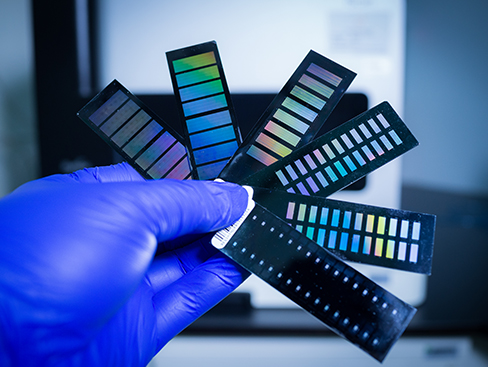
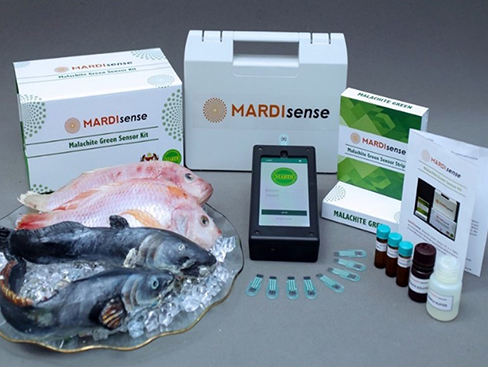
RAPID DETECTION OF MALACHITE GREEN IN AQUACULTURE INDUSTRY
This total Malachite Green (MG) detection is based on an enzyme inhibition format with a substrate on a carbon electrode strip. This kit detects total MG as low as 0.25 ppb in as fast as 5 minutes compared to LC-MS instrumentation techniques for fish sample analysis.RAPID DETECTION OF DITHIOCARBAMATE PESTICIDES IN VEGETABLES THROUGH ENZYME BIOSENSOR TECHNOLOGY
This enzyme-based electrochemical biosensor kit developed is for the detection of pesticides from the dithiocarbamate class, namely zineb, macozeb, thiram and maneb.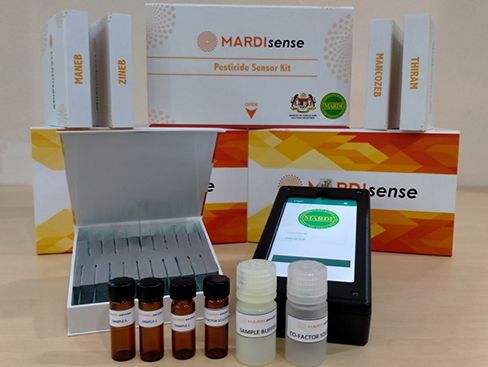
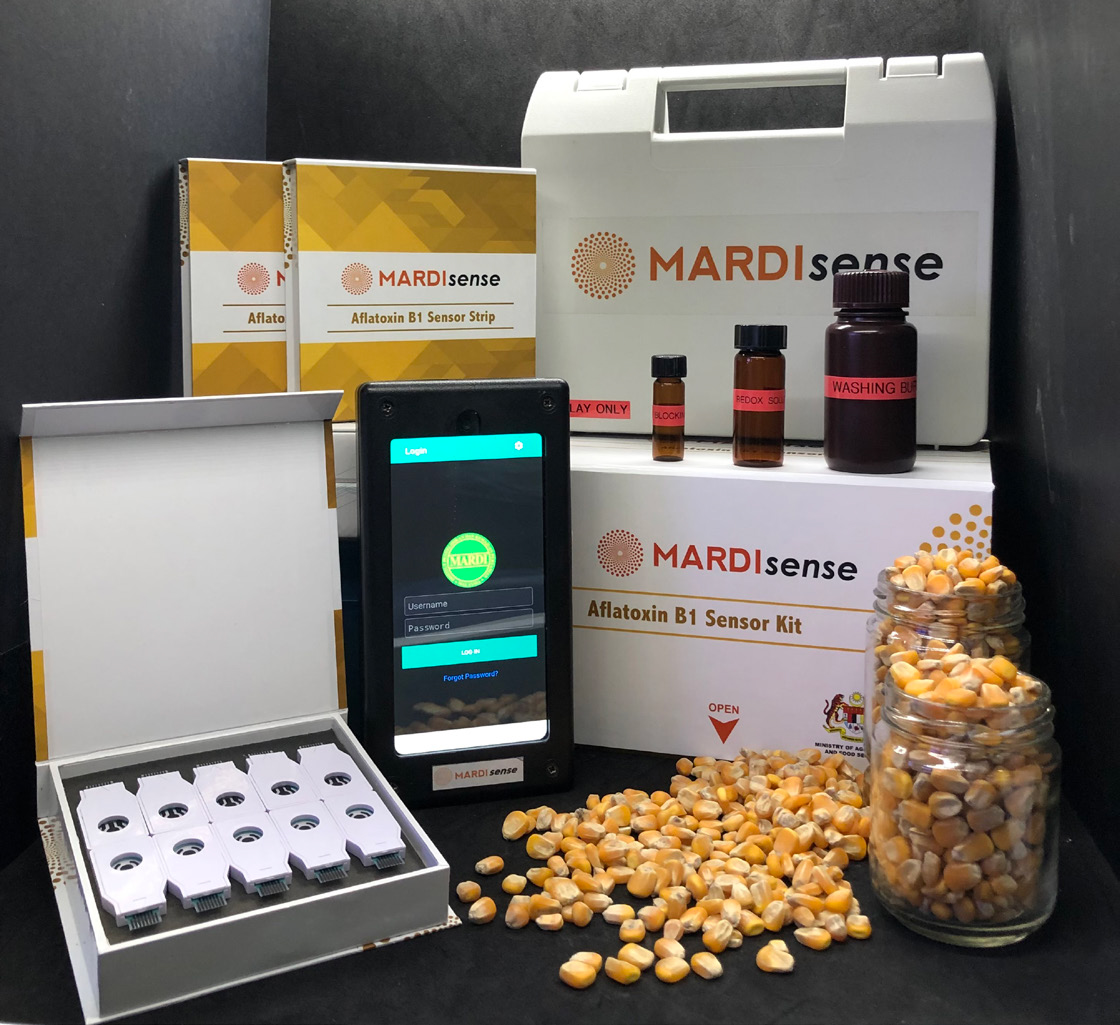
RAPID DETECTION OF MYCOTOXINS (AFLATOXIN B1, OCHRATOXIN A AND FUMONISIN B1) IN GRAIN CORN
This field rapid mycotoxin detection kit is an IoT-based biosensor technology. The polyclonal antibodies used in this study were produced in -house and immobilized on a carbon screen-printed electrode functionalized with a polymer mesh and nanocolloidal gold.BIOSENSOR TECHNOLOGY FOR RAPID DETECTION OF RICE DISEASES (BLB, BLS AND KARAH)
Polyclonal antibody-based biosensor technology ( immunosensor ) was developed using modified screen-printed carbon electrodes and a portable biosensor reader device.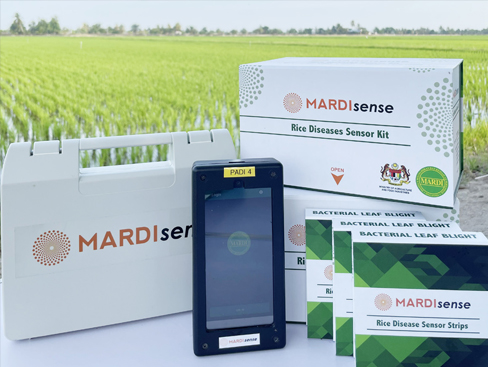

RAPID NANO DETECTION OF HAZARDOUS AQUATIC ALGAE
MARDI sense Algae Bloom Biotoxin Sensor Kit is an innovation for the monitoring and rapid detection of saxitoxin (STX) type biotoxins produced by Alexandrium minutum algae in seawater samples and shellfish products. -
BIODIAGNOSTICS
FLOCTEST TECHNOLOGY AND LAMP- CARBON PARTICLE CLOTTING FOR DETECTION OF BANANA BLOOD DISEASE (BDB)
Diagnostic technology that combines loop mediated isothermal amplification (LAMP) techniques and carbon particle clumping has also been developed for the early detection of banana BDB disease.
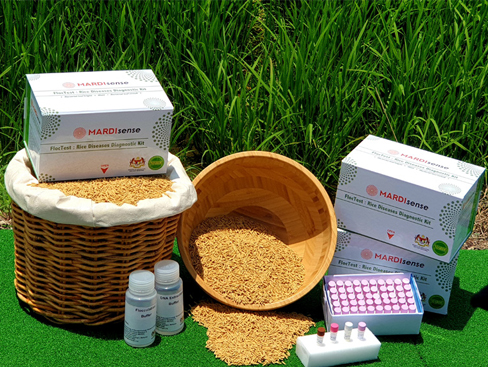
FLOCTEST TECHNOLOGY AND CARBON PARTICLE CLOUD LAMP FOR RICE DISEASE DETECTION (BLB, BLS AND KARAH)
The FlocTest diagnostic kit detects pathogens within 30 minutes and does not involve sophisticated equipment, facilitating detection in the field.LATERAL FLOW IMMUNOASSAY (LFIA) TECHNOLOGY FOR DETECTION OF PLANT DISEASES
This rapid detection technology based on lateral flow immunoassay (LFIA) is capable of detecting rice diseases (BLB, BLB and karah), banana blood disease (BDB) using a single disposable strip.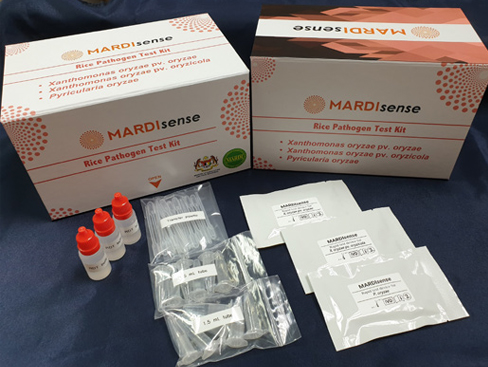
MARDIsense: RICE PATHOGEN TEST KIT based on LFIA strips for detection of rice disease pathogens and detection of BDB pathogens in banana trees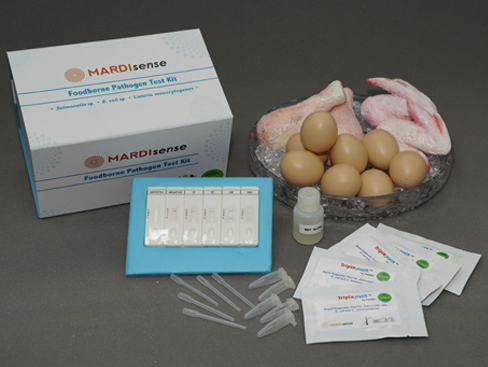
MARDIsense: FOODBORNE PATHOGEN TEST KIT for the detection of foodborne multi-pathogensLATERAL FLOW IMMUNOASSAY (LFIA) TECHNOLOGY FOR MULTIPATHOGEN DETECTION IN FOOD
This rapid detection technology based on lateral flow immunoassay (LFIA) is capable of detecting food pathogens (Salmonella spp ., E. coli and L. monocytogenes) using a single disposable strip.LATERAL FLOW IMMUNOASSAY (LFIA) TECHNOLOGY FOR MULTIPATHOGEN DETECTION IN FOOD AND PORK DNA DETECTION
This rapid detection technology based on lateral flow immunoassay (LFIA) is capable of detecting multipathogens in food and pork DNA using a single disposable strip.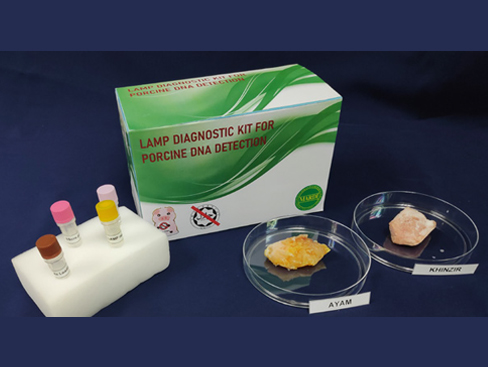
MARDIsense: FOODBORNE PATHOGEN TEST KIT for detection of multi-foodborne pathogens prototype pig DNA detection kit -
DISEASE AND PEST MANAGEMENT
AGROZIDE™
AgroZIDE™ is a nano-based fungicide consisting of natural ingredients that is capable of controlling the growth of Aspergillus flavus in stored grain corn and can be used as an alternative to chemical-based fungicides available on the market.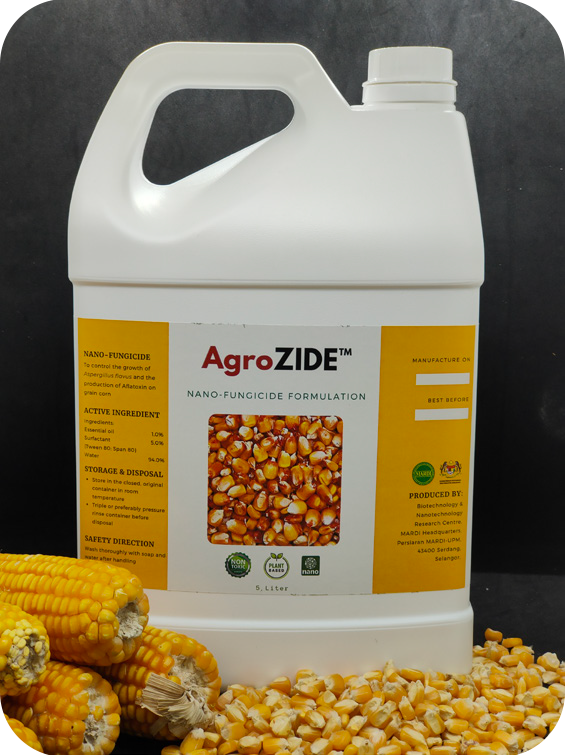
MANAGEMENT OF PAPAYA ROOT DEAD DISEASE
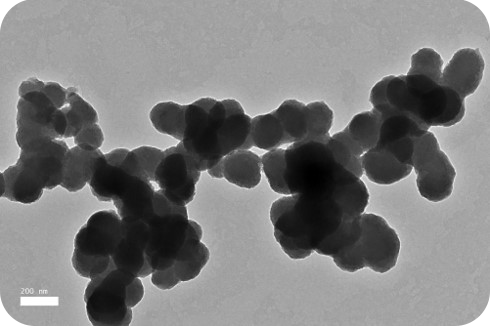
Encapsulation of effective SAR proteins in chitosan nanoparticles can protect proteins from environmental threats and facilitate protein uptake by plants. Treatment with CNP-protein solution successfully activated the tree's defense system (SAR) with lower protein consumption, thereby reducing treatment costs.XANTHOZIDETM
XanthoZIDE TM is a biopesticide nanoemulsion containing lemon myrtle essential oil used in the initial treatment of rice seed-borne diseases such as bacterial leaf blight (BLB) and bacterial leaf streak disease (BLS) caused by Xanthomonas oryzae pv oryzae (Xoo) and Xanthomonas oryzae pv oryzicola (Xoc).
Horticultural Technology
-
FRUITS
NEW HYBRID BELIMBING MSTAR 1
Declared on 7 April 2019 at MARDI Kluang Johor. Has a high sweetness level of around 11% Brix without a chelated taste, fragrant aroma and crispy texture.
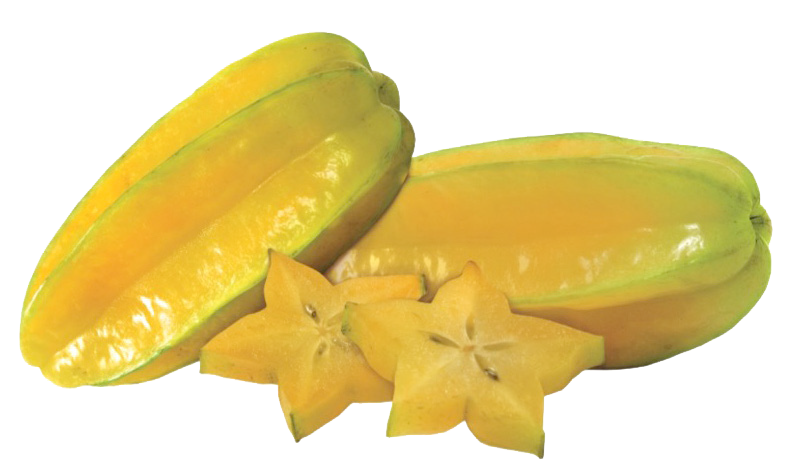

NEW HYBRID BELIMBING MSTAR 2
The fruit shape is similar to clone B10 with thicker fruit flaps and a more yellowish skin colour. The fruit size is large (192 g), has the highest vitamin C content (87.3 mg/100 g), the lowest oxalic acid (0.08 g/100 mg) and the texture of the flesh is crispier than clone B10 and has no chelate taste.
NEW HYBRID BELIMBING MSTAR 3
The fruit size is large (203 g), sweeter than B10 (TSS: 10.1% Brix), vitamin C content is almost the same as B10 and B17, the texture of the flesh is slightly softer than B10 and there is no chelate taste.

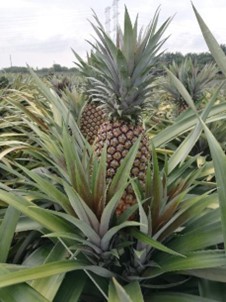
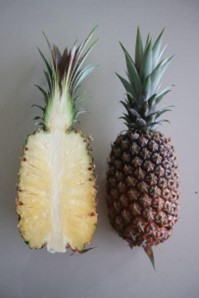
NEW HYBRID PINEAPPLE L1
Fruit weight is higher (1.5 kg) compared to Josapine (1.2 kg). Cylindrical in shape with yellowish flesh color and high dissolved solids content (15 - 21% Brix) with moderate acid (0.5%). Sweet, aromatic fruit, soft flesh texture and somewhat crunchy pulp and less bitter taste.NEW PINEAPPLE HYBRID MS16
Launched on 17 December 2023 at MARDI Pontian, Johor. Average weight 1.5 kg and potential to produce up to 48 t/ha. High production of planting material, more than five vines at a time and tolerant to bacterial core rot disease. High sweetness value of 16 - 21% Brix, yellow flesh, less bitter taste, crispy texture, aromatic, less bitter and suitable for fresh eating.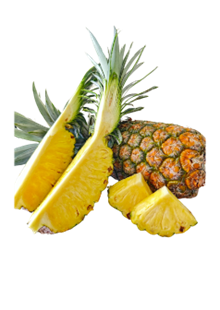
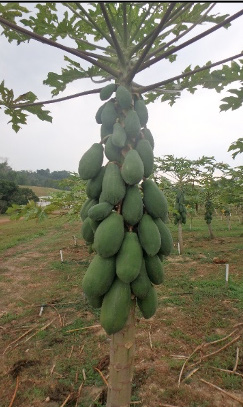
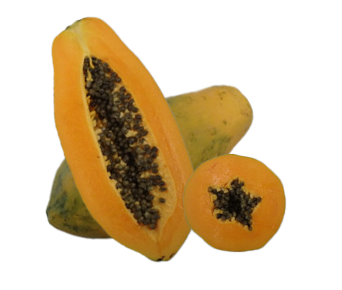
TOLERICA: PAPAYA TOLERANT TO DEADLY DROP DISEASE
Tolerant to dead leaf disease, yield three times higher than Exotic (60 - 90 t/ha), fruit weight 1.1 - 1.3 kg, TSS sweetness level 12-13% Brix, first fruit height 70 - 80 cm from the ground and first harvest period is nine months from the date of sowing seeds.NEW RAMBUTAN CLONE RED PEARL
Weighs 35.7 g and has 53.5% yield. Ripens 2 - 3 weeks earlier than the R191 variety. This variety was declared in 2018.

NEW MUTIARA WANGI RAMBUTAN CLONE
Oval shape, dark red skin, green hairs, larger fruit compared to Mutiara Merah which weighs 37.2 g, more aromatic and semi-solid flesh. Yield 26.2 kg per plant, which is far more than R191 which is only 18.5 kg per plant.NEW MANGO VARIETY WITH RED SKIN
Two varieties were developed. SB019 has dark red skin and orange flesh, medium fruit size (250 - 350 g), oval shape and sweet taste with Brix 18 - 21%. High yield, bears fruit every year, free from IFR and is a semi-dwarf tree.
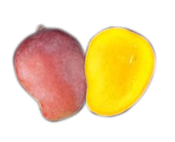
SB019SB003 has bright red skin and orange flesh, marketable fruit size (350 - 450 g), sweet and slightly sour taste with Brix 18 - 20%. Fragrant, rich in vitamin C, high yield, bears fruit every tofu and is free from the problem of incident fruit rot (IFR). 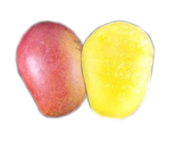
SB003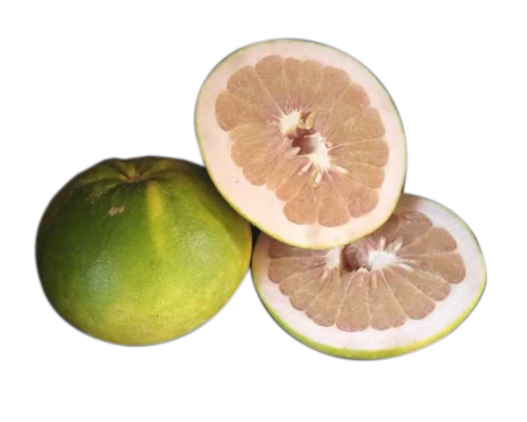
2KRP7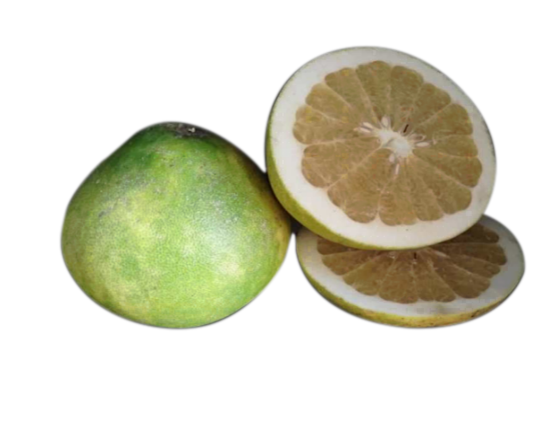 3KRP4
3KRP4NEW POMELO CLONES MUTANT 2KRP7 AND 3KRP4
2KRP7 is a sweet fruit category (9 - 11% Brix) and 3KRP4 is a sweet and sour fruit (10 - 12% Brix). The acid content is low compared to commercial clones, which is 0.15 - 0.16% for 2KRP7 and 0.66 - 0.73% for 3KRP4. The juice content of both clones is between 262 - 315 mL with a high vitamin C content of between 45 - 52 mg/100 g. The fruit weight is 1.2 - 1.7 kg and produces a high yield of between 257 - 371 kg/tree/year. The color of the cloves is pink (2KRP7) and yellow (3KRP4) and does not have a bitter/pungent taste. Meanwhile, the trees do not have thorns and are found to be lower compared to commercial clones.
PINEAPPLE LEAF SEEDLING TECHNOLOGY
Mass production of 30 - 40 new planting materials from one parent plant, not affected by climate change due to the efficiency of the self-irrigated propagation chamber system (reduces post-harvest losses <4%), 100% pure due to 0% somaclonal variation, short seedling stage period of 3 - 4 months, low production cost (RM0.10 - RM0.30).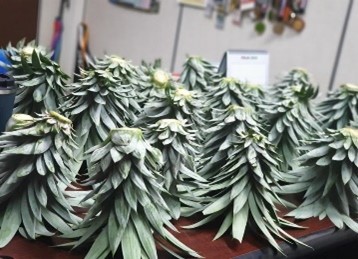
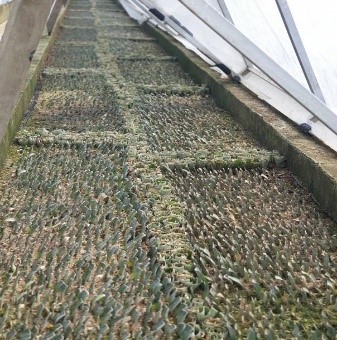
Pineapple crest MD2 Chamber stem irrigation propagation 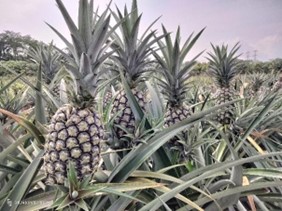 MS16 pineapple fruit on the ground
 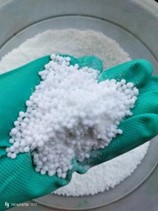 Fertilizer mixture of urea and potassium
 OPTIMUM FERTILIZER FORMULATION FOR PINEAPPLE MS16 IN PEAT SOIL
Single fertilizers Urea (46% N), Triple Super Phosphate (46% P 2 O 5 ) and Potassium Sulphate (K 2 SO 4 50% K 2 O) are mixed and supplied throughout the vegetative period. Savings in fertilizer costs of up to 20% compared to fertilizing pineapples using NPK compound fertilizers.
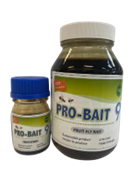
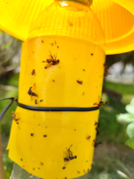
NEW PROTEIN FEED FOR FRUIT FLY CONTROL
Effective, cost-effective, easy to produce, sustainable, environmentally friendly with a long shelf life for fruit fly control comparable to commercial products. The shelf life of the formulation extends to more than 12 months after production in terms of bait attraction effectiveness. This product is also specific to fruit flies only and does not disturb non-target beneficial insects.
Produk pemprosesan minimum buah-buahan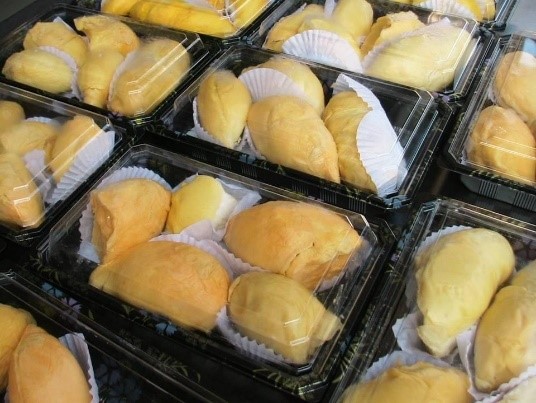

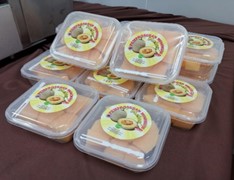
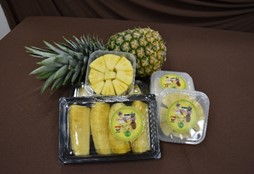
MINIMUM PROCESSING TECHNOLOGY OF FRUITS
The shelf life of minimum processed fruit products is between 2 - 3 weeks at a temperature of 2 °C. Among the products that have been successfully developed are pineapple, jackfruit, durian and melon. The technology is ready to be transferred as a public good to the industry.FRUIT COATING TECHNOLOGY
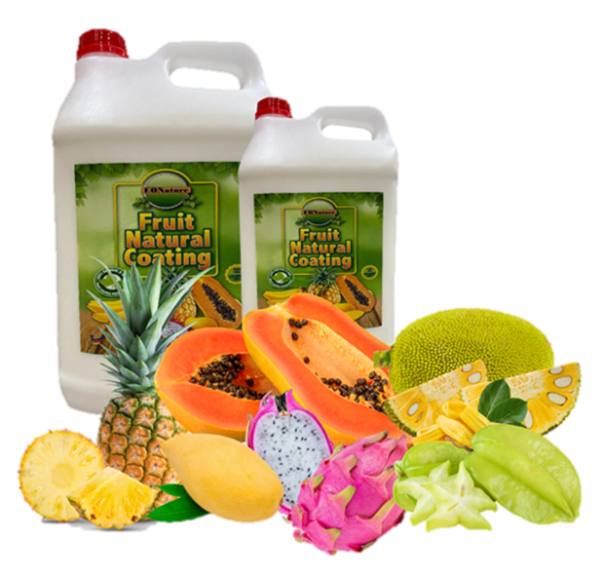
Extends the storage life of mango, papaya, pineapple and pitahaya (4 - 5 weeks) at a temperature of 10 - 13 °C. Slows down the ripening process, changes in fruit skin colour, reduces weight loss and controls disease as well as beautifies the exterior of fruit skin (fresh and shiny).
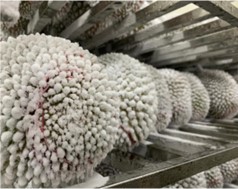
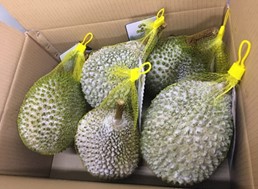
Musang King durian looks like it
has been cryogenically frozenFrozen durian products DURIAN CRYOGENIC FREEZING TECHNOLOGY PACKAGE FOR EXPORT
Musang King durian is frozen using cryogenic freezing to produce frozen durian in seed form for export markets. This technology package includes recommended sanitation treatments for food safety and quarantine pest-free.
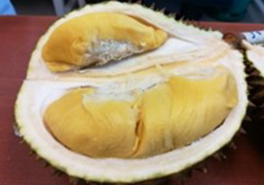
LOW TEMPERATURE COMBINATION TECHNOLOGY AND PACKAGING FOR EXTENDED SHELF LIFE OF FRESH DURIAN
Storing fresh Musang King durian at 5 °C with low-density polyethylene (LDPE) plastic packaging can maintain the optimum quality of fresh durian for up to 21 days. The technology is ready to be transferred as a public good to fruit exporters
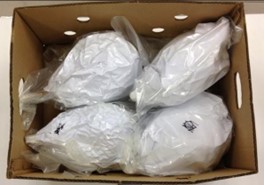
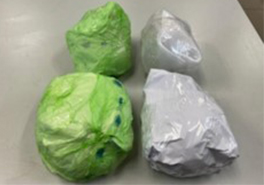
Fresh durian packaging uses low-density polyethylene (LDPE) plastic with a thickness of 0.04 mm and good retention of clove quality.
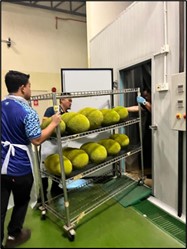
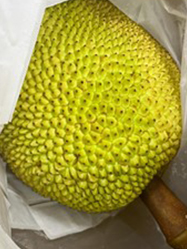
Induction of fruit ripening using ethylene gas to
obtain uniform ripening of jackfruit J33Storage of J33 jackfruit
induced to ripen at suboptimal temperaturesSUBOPTIMUM TEMPERATURE STORAGE TECHNIQUES FOR EXTENDED SHELF LIFE OF FRESH JANGA
Induction technique with ethylene ripening agent stored at suboptimal temperatures as low as 2 °C for J33 Jackfruit. This technique allows J33 to be stored for three weeks (incidence of rot less than 10% and fruit sweetness remains 22 - 24%). This technology is ready to be transferred as a public good to jackfruit exporters.
CRYOGENIC FREEZING TECHNOLOGY FOR JANGA FRUIT FOR EXPORT
Cryogenic freezing process for jackfruit in single fruit form; 4 hours at -80 °C to ensure the core temperature of the fruit (14.5 kg) reaches -18 °C. Slow thawing technique at 10 °C overnight (15 hours), helps control the discoloration of the jackfruit pulp and maintain the firmness of the jackfruit cloves. Can be stored for up to six months at -18 °C. With a long shelf life, jackfruit can be exported to further overseas markets by sea.
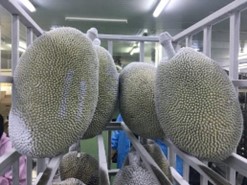
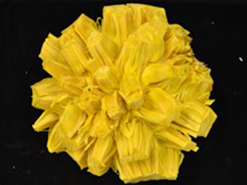
The appearance of jackfruit that has been
cryogenically frozen.The quality of jackfruit slices after defrosting.
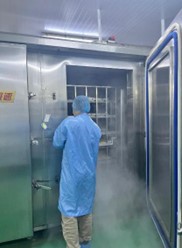
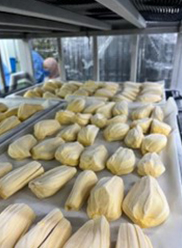
The process of cryogenically freezing jackfruit cloves.
JANGA FREEZING TECHNIQUE FOR EXPORT MARKET
Suitable for long-distance shipping without affecting the quality of the fruit for six months. The long storage period allows frozen jackfruit products to be marketed in more distant markets and reduces post-harvest losses and dumping problems in the jackfruit industry.
SURFACE COATING TECHNOLOGY FOR JANGA EXPORT TO CHINA
Standard operating procedures with fruit coating treatment for exporting fresh jackfruit to China successfully maintained the quality of J33 which is considered premium in China. The quality of the jackfruit was still maintained even after two weeks of shipment to China.
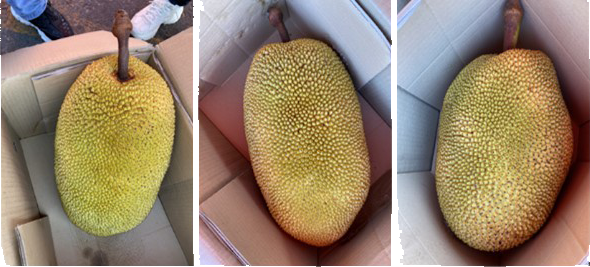 EONature coated fruit
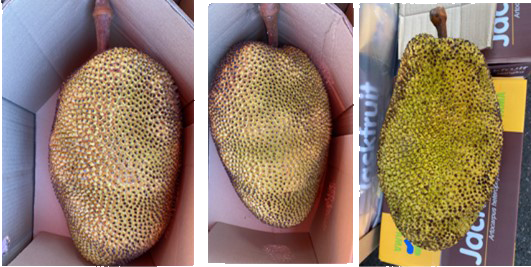 Fruit without coating External quality of EONature coated jackfruit (left) and without coating (right) in China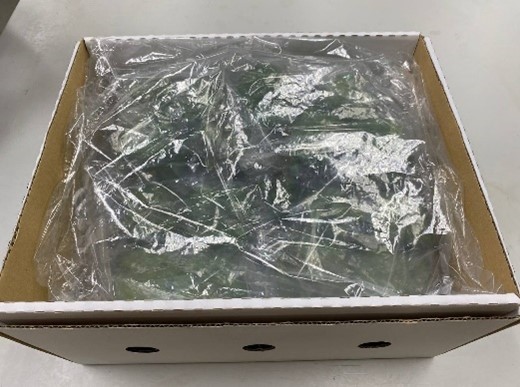
Papaya in modified atmosphere packaging (MAP)COMBINATION OF TEMPERATURE PRECONDITIONING TECHNIQUES AND MAP PACKAGING FOR EXTENDING THE STORAGE LIFE OF FRESH PAPAYA
The combination of temperature preconditioning and MAP maintained papaya quality under storage at suboptimal temperatures as low as 7 °C without the problem of chilling injury, with a longer shelf life (four weeks) compared to only two weeks for conventional handling techniques.
-
VEGETABLES
NEW VARIETIES OF RED ONION BAW-1, BAW-2 AND BAW-3
Can adapt to lowland cultivation areas, namely mineral soil, BRIS and peat based on key selection criteria such as availability of planting material, size that meets local market demand, good quality, high yield and tolerance to insect pests and diseases.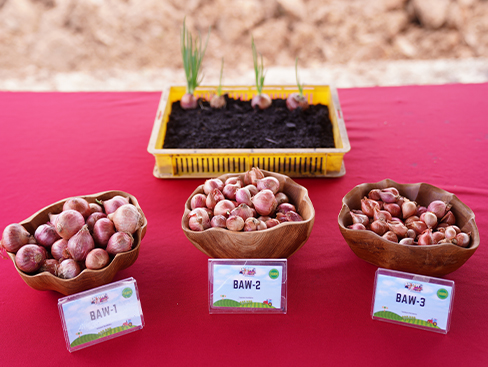
Diskripsi teknologi tomato MAHA 18
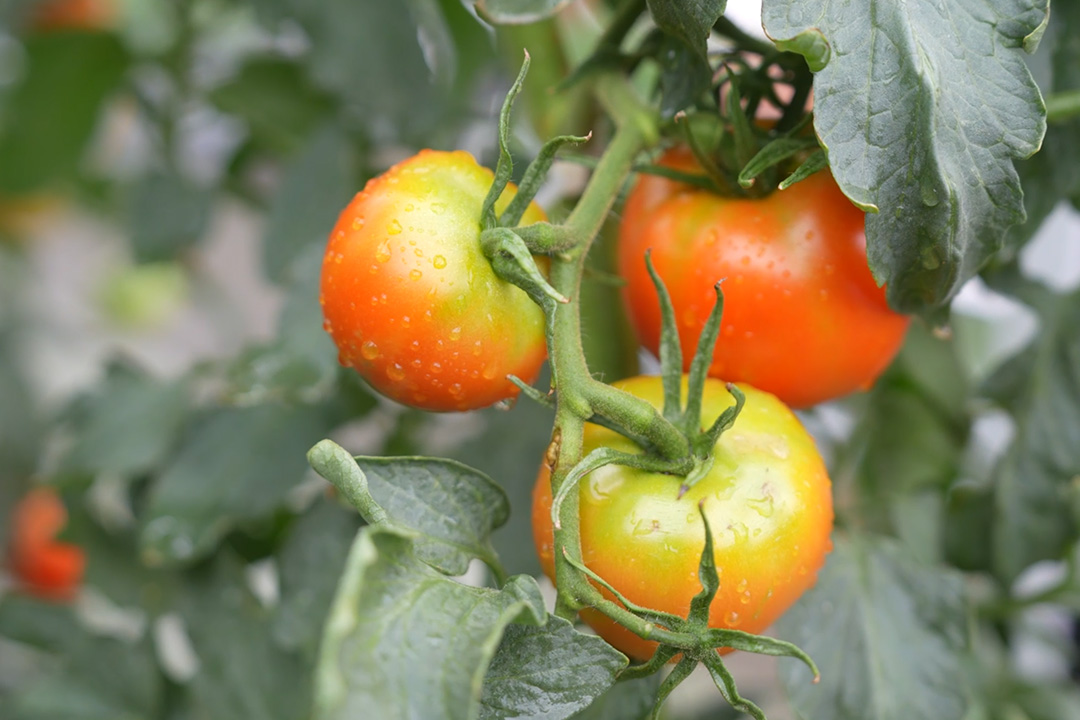
TOMATO MAHA 18
Average yield is close to 3 kg/tree, red and attractive fruit, has a high antioxidant content of 7 mg/100 g fresh weight. The fruit size is small, comparable to the commercial variety of MTI lowland tomatoes. This tomato is also tolerant to bacterial wilt disease with a survival rate of over 93%. This variety was launched in 2018 at Laman Sayur in conjunction with MAHA 2018.CHILI MARDI
Large, non-shiny fruit measuring 13 - 16 cm long, 16 - 19 g in weight and 2 - 3 cm in diameter. Yield potential can reach up to 2.5 kg per tree per crop cycle (20 - 30 t/ha) and is resistant to anthracnose disease.

Performance evaluation of sweet corn hybrids.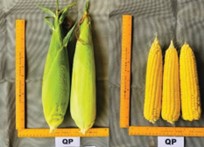
Potential sweet corn hybrid.NEW SWEET CORN HYBRID
Average plant height 200 cm, harvest 66 days after planting, average cob weight 400 g and sweetness level, Total Soluble Solid (TSS) 17.53% Brix with low incidence of leaf blight (<25%: moderately resistant ).ADAPTATION OF BENGAL CHILI VARIETIES IN LOWLANDS
The CL44 variety has potential for cultivation in lowlands and is resistant to weather up to 35 °C. This variety gives a yield of more than 1,000 g per plant and a fruit weight of more than 100 g per fruit. Lowland Bengal chillies are suitable for cultivation using fertigation and in rain-protected structures to ensure quality production.
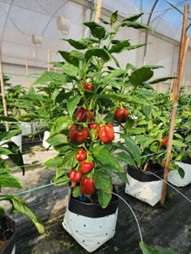
Bengal chili plants planted in lowlands
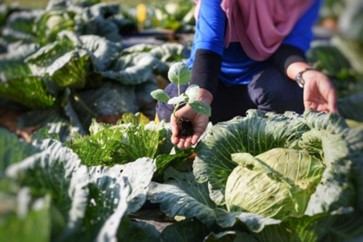
Healthy seedlings aged 25 - 30 days with 3 - 5
leaves are transferred to the field according to the plant spacing.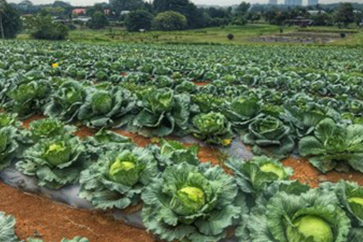 Round cabbage that is mature and ready
to harvest 75 - 85 days after being transferred to the fieldLOWLAND ROUND CABBAGE PRODUCTION TECHNOLOGY
The package includes the use of appropriate varieties/hybrids, effective agronomic practices, fertilizer application, integrated pest management strategies and post-harvest handling techniques to achieve high quality and yield. Expected crop yields are between 26 - 30 t/ha, with an average weight of 1.5 kg/seed.TECHNOLOGY FOR CAULIFLOWER CABBAGE PRODUCTION
A technology package involving breeding (screening and performance evaluation of cauliflower hybrids for lowland cultivation), agronomy, post-harvest handling and economics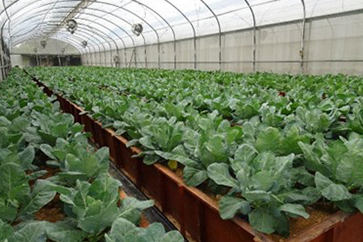
Cauliflower is planted using the recommended planting boxes.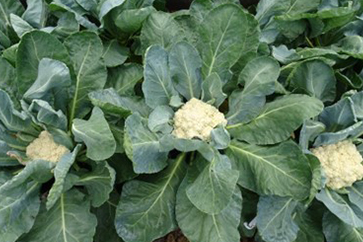
Cauliflower is ready to harvest on the 75th day after planting.
Planting chives and flowers using the push-pull strategy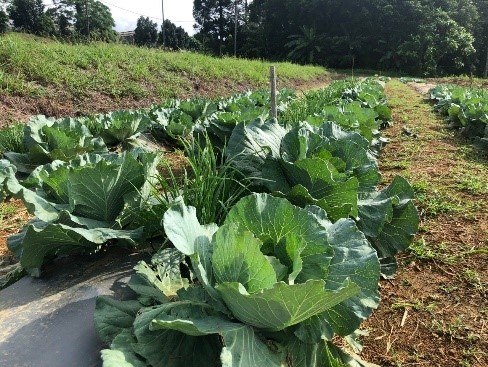
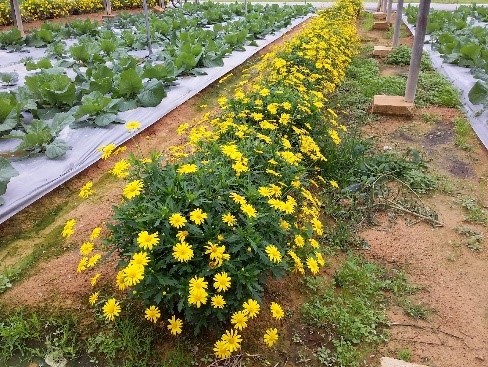
Mass breeding of biological control agents at MARDI Cameron Highlands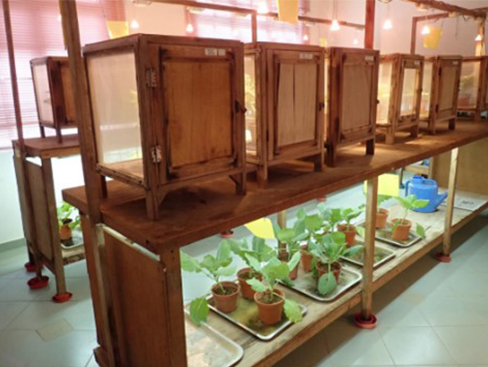
Multi Virus Biopesticide Technology developed by MARDI for Lepidoptera pest controlIPM PACKAGE FOR ROUND CABBAGE PEST CONTROL
Application of IPM components for the control of Plutella caterpillars in highland areas (regu crops, use of multi virus biopesticides, mass breeding of Diadegma semiclausum and Cotesia vestalis biological control agents , commercial biological poison spray ( Bacillus thuringiensis ).PRODUCTION OF TOMATO PLANT MATERIALS LOW SOIL TOLERANCE TO BACTERIAL WILD
Tube grafting between tomatoes and eggplants is used to increase plant resistance to bacterial wilt disease. It provides a rapid alternative approach to conventional breeding, focusing on developing plant-specific resistance traits without changing the overall genetics of the plant.
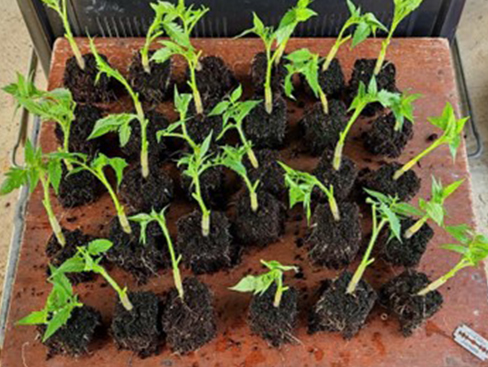 Tube grafting method between tomato and eggplant seedlings
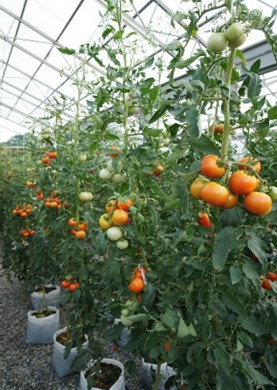 Fruit from grafted trees on the 91st day after planting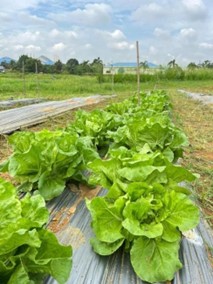
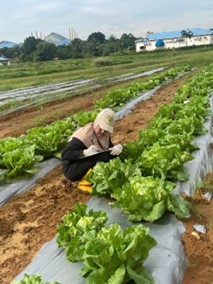
INTEGRATED AND ENVIRONMENTALLY FRIENDLY PEST AND DISEASE MANAGEMENT OF LOW-GROUND CHINESE CABBAGE CROP
An alternative to pest management methods that is more effective, practical, cost-effective, environmentally friendly and safe to eat by reducing the use of chemical pesticides.IPM PACKAGE FOR RED ONION PEST AND DISEASE CONTROL IN LOWLANDS
IPM components include application of beneficial fungi Trichoderma , Bacillus subtilis , regular monitoring, cultural control by removing and destroying infected plants to slow the spread of the disease in the field. In addition, other integrated components include spraying commercial biological pesticides ( Bacillus thuringiensis ), and spraying chemical pesticides as recommended.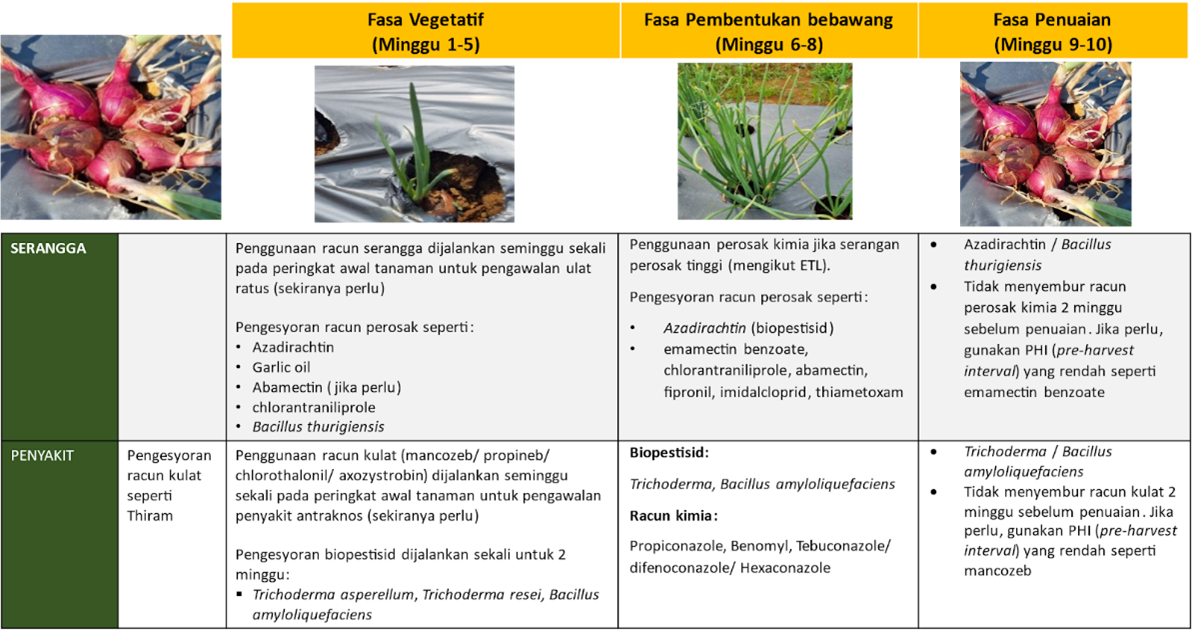
Proposed recommendations for control using pesticides

Minimally processed vegetable products MINIMUM PROCESSING TECHNOLOGY OF VEGETABLES
The shelf life of minimally processed vegetable products is between 2 - 3 weeks at a temperature of 2 °C. Among the MP products that have been successfully developed are cabbage, chilli, mustard, young jackfruit, shallots and garlic.
POST-HARVEST HANDLING TECHNOLOGY FOR RED ONION
Using a solar drying room with a temperature of 30 - 32 °C and RH 65 - 70% for three days. After the drying process, the shallots are tied in bunches or bundles and can be marketed immediately. Long-term storage period is stored in a storage room at ambient temperature
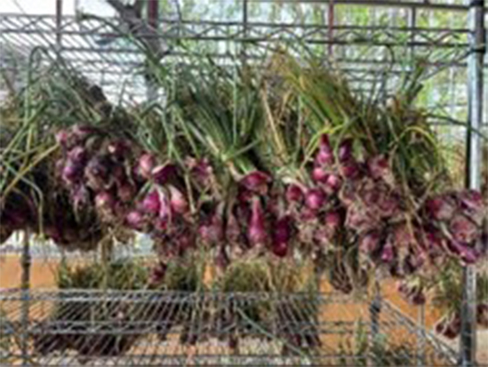
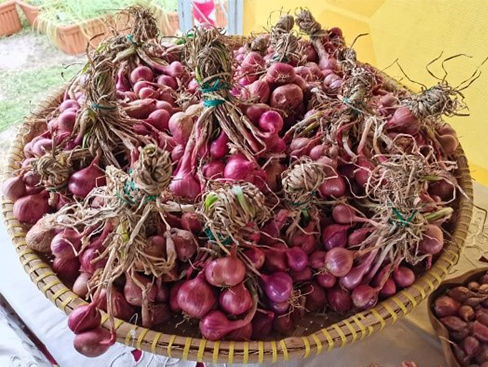
The process of drying shallots

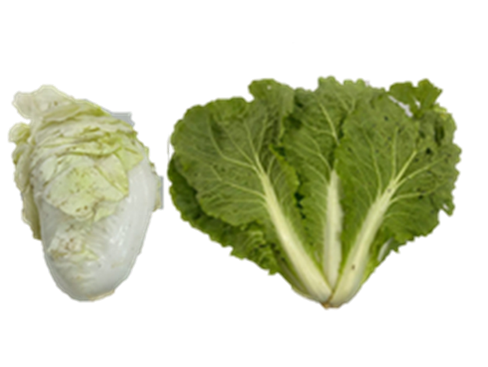
Chinese cabbage is ready to harvest
Chinese cabbage after grilling
POST-HARVEST HANDLING TECHNOLOGY FOR CHINESE CABBAGE
Covers the harvest maturity period for lowland Chinese cabbage of the headed type (K18) and leafy type (K13), selection and roasting, grading, washing and appropriate storage temperatures.
-
URBAN AGRICULTURE
CANOPY STRUCTURE
A multi-purpose support structure system for growing creeping or climbing vegetables and fruits. The structure is equipped with self-watering containers (SWC) that store and distribute water by capillary action to the plants, reducing the need for manual watering and water waste.
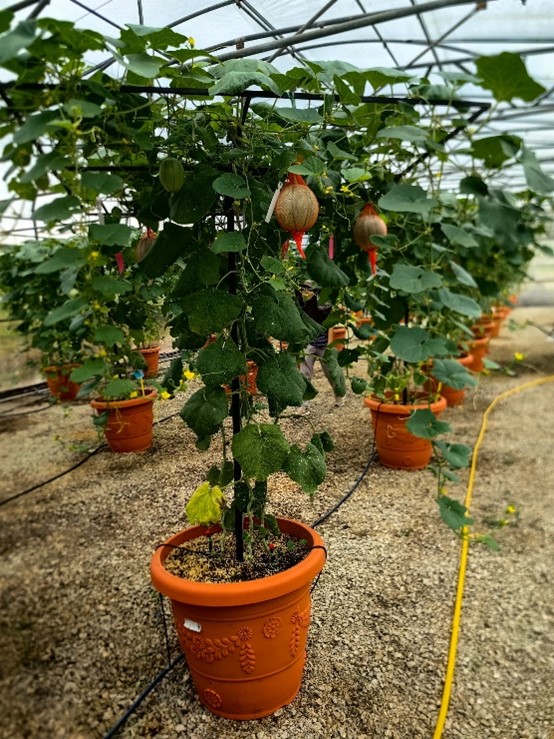
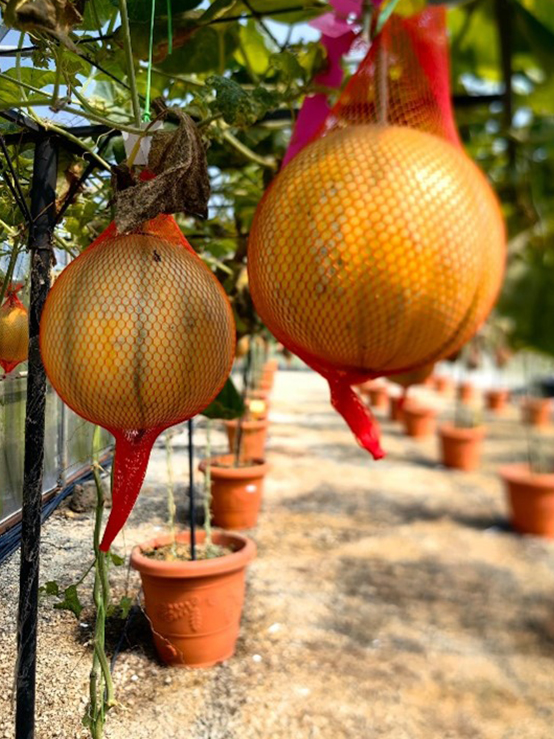
Canopytecture structure that can accommodate
creeping or climbing treesRockmelon fruit yield using the canopy system
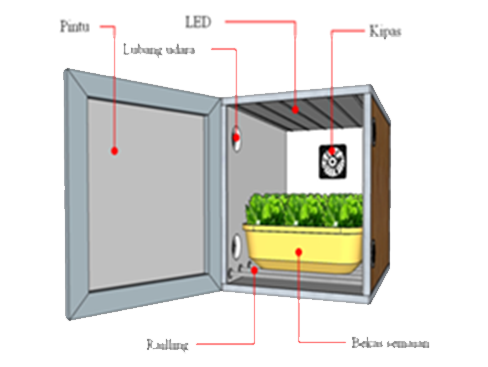

Growing lettuce in a cube-grow that can be continued CUBE-GROW
Vegetable growth cube equipped with Light Emitting Diode (LED) lighting source and ventilation system to create a suitable indoor environment. Produces fresh, poison-free, nutritious and safe to eat vegetables. Suitable for growing leafy vegetables such as mustard, spinach, kailan and also microgreens .
EZGROW™
Planting medium compacted into cubes of various sizes that function as a medium for seed germination and seedling growth, without the need for trays and plastic pots. This technology has the potential to produce good, quality and efficient seedlings (transplants) for the production of vegetables, flowers, herbs and cuttings.
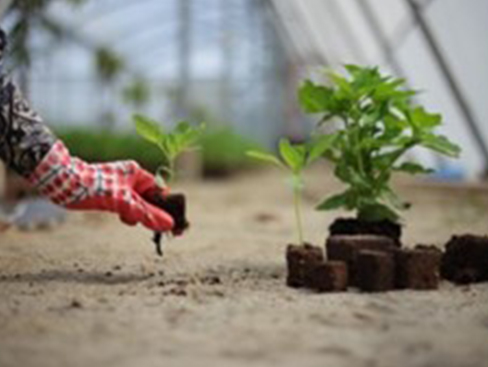
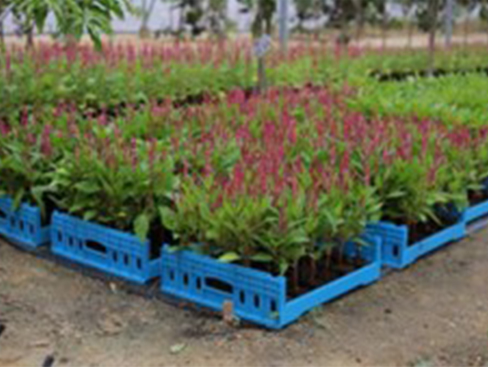
Transformation of vegetable, herb, cutting and flower seedling production systems from conventional to EZGROW™
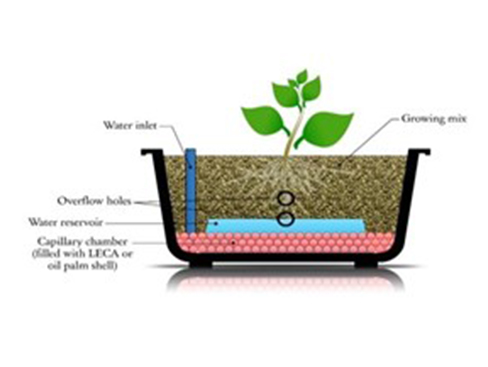

Greenkit Concept Greenkit which grows various vegetables, herbs and spices GREENKIT
Overcoming the problem of watering that needs to be done every day for salad, herb and vegetable plants. Consists of a plastic reservoir divided into two separate compartments, namely a water reservoir at the bottom and a planting tank containing the planting medium at the top.
ADVANCED NUTRIENT FILM TECHNIQUE (NFT) HYDROPONICS
A mini model hydroponic system using the Nutrient Film Technique (NFT) that is equipped with LED lighting for indoor cultivation . This model is portable and suitable for home gardening.
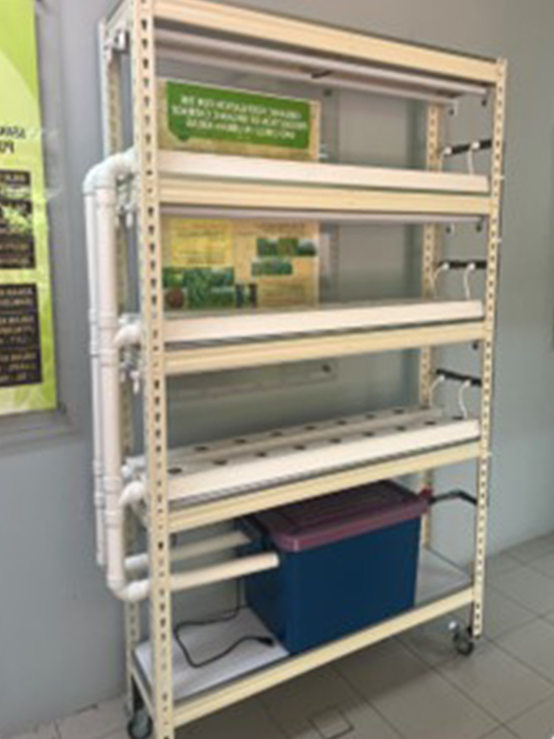
Thin Flow Technique ( Nutrient Film Technique-NFT ) is equipped with an irrigation system and LED lighting
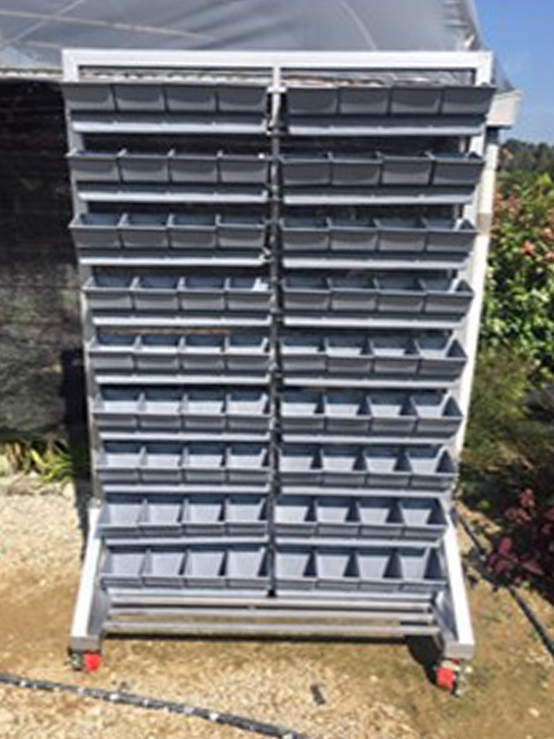

Vertiplanter™ system with ornamental plants
SELF-WATERING CONTAINER (SWC)
Solves the problem of water management and energy consumption in vertical planting by using the self-watering method . Can be applied versatilely ; planting in limited spaces, able to lower environmental temperatures and suitable for indoors without installation problems and dirt.
PLANT FACTORY
An intensive and consistent crop production system in a closed and controlled structure where all plant growth factors such as light, temperature, carbon dioxide, air humidity, nutrients, water and airflow are controlled and monitored. This technology requires no soil, is free from disease threats, has a clean growing environment, uses water and fertilizers efficiently, produces fresh and nutritious produce, is clean and safe to eat, is 100% pesticide free and increases productivity 4 - 10 times.
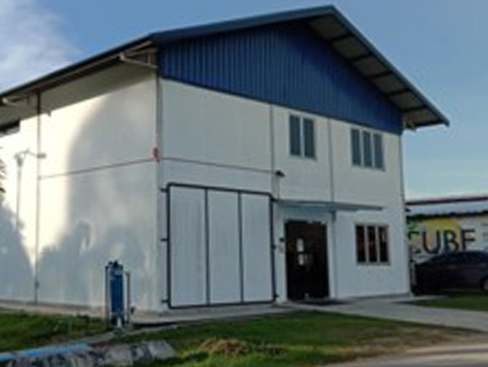
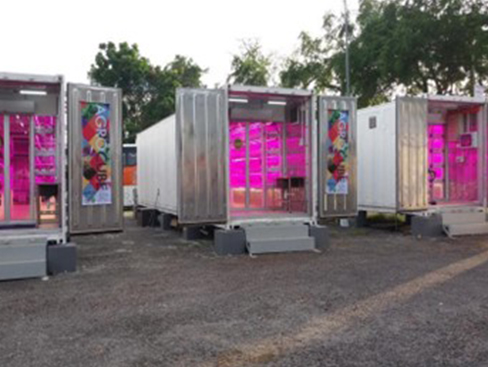
Warehouse scale plant factory model and container plant factory at MARDI

MARDI Plant Plant Biological Factor Management SOP that has been developed
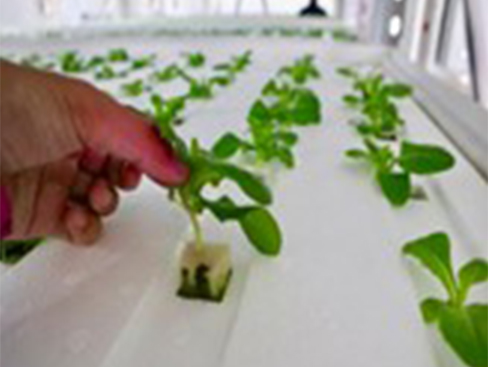

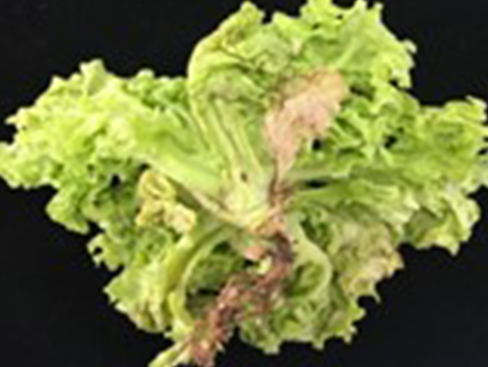
Biological factors of plant factories consist of algae, insects and microorganisms. MANAGEMENT OF BIOLOGICAL FACTORS OF PLANT PLANTS
There are several biological factors involving contamination by algae, microorganisms and insects that need to be controlled. SOPs have been developed to manage these biological factors to a low level.
-
ORNAMENTAL PLANTS
ARUNDINA SOLAR ORCHID NEW HYBRID
Released on 2 December 2017. Semi-miniature type, can grow up to 60 cm tall, heat tolerant and very prolific. Flowers are white to pink, medium sized, 5 - 6 cm wide and 4 - 5 cm long.
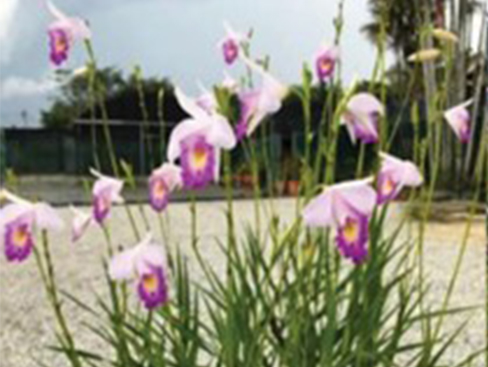
Arundina Suria 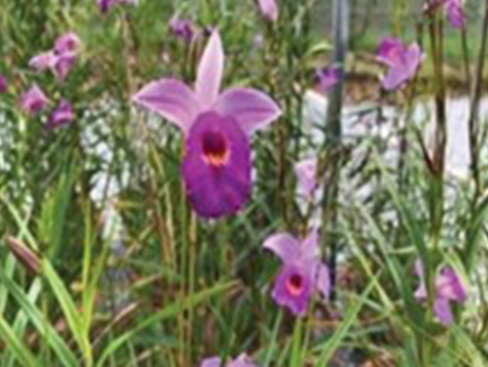
Arundina MentariNEW HYBRID ORCHID ARUNDINA MENTARI
Launched on 2 December 2017. Resistant to hot weather, produces flowers all year round and is dark purple in colour. The flower lifespan is three days, but the high density of flowers on the branches means that the flowers are in bloom all the time.TRICHOVANDA ORCHID MARDI
Produces 6 - 8 fragrant flowers on each stalk (about 30 cm long), blooms five times a year. The average size of the flower is 6.5 cm horizontally and 6 cm vertically. The flowers are yellowish green with brown spots, can last for 33 days, heat tolerant, blooms when the plant reaches about 33 cm in height and is suitable for use as a potted ornamental orchid.
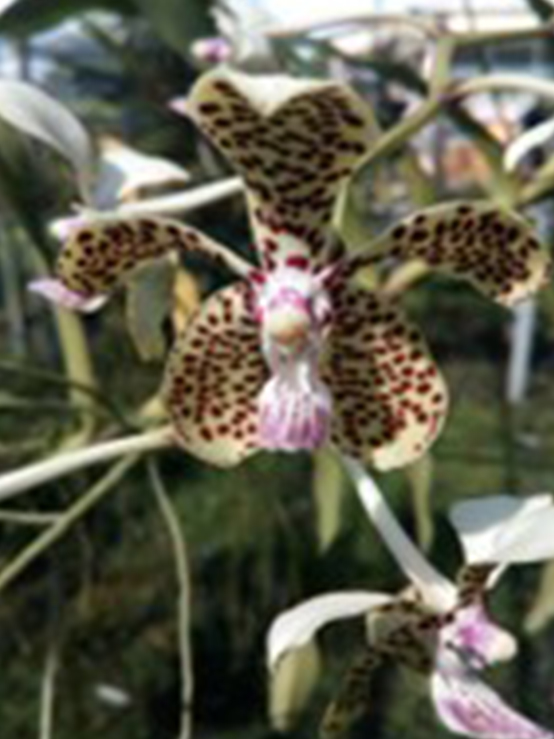
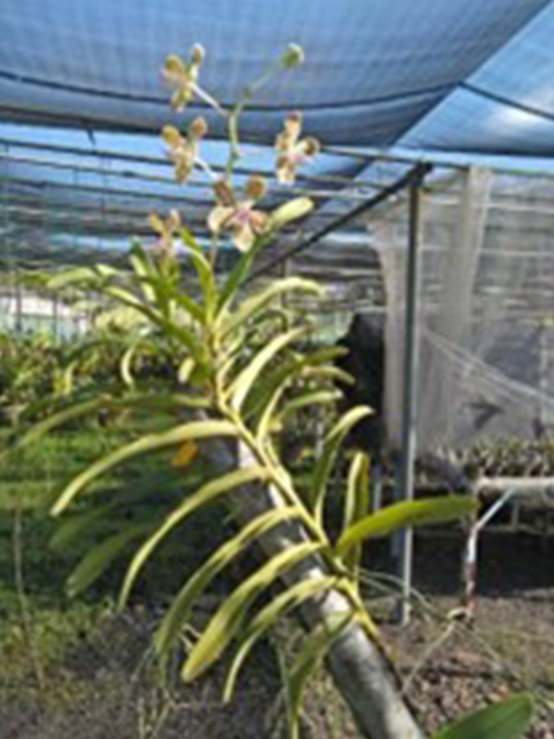
The flowers of Trichovanda MARDI are yellowish green with brown spots and have a fragrant smell.
The Trichovanda MARDI orchid tree is heat-resistant and can flower up to 5 times a year.
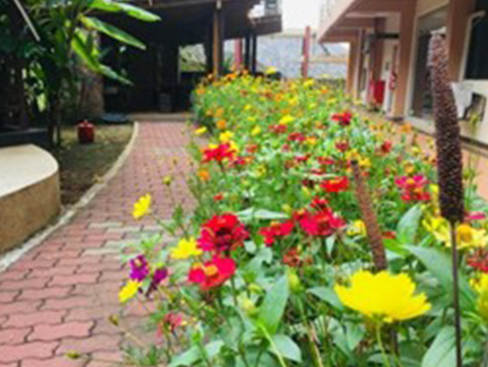 A commercialized multispecies formulation
MULTISPECIES
Produce new plant communities, conserve biodiversity, increase the aesthetic value of the garden, facilitate plant maintenance and preserve the garden landscape. Technology can provide a naturalistic impact, namely the plant community looks unique and natural, colorful impact, dynamic landscape and a seasonal flower plant community that is more sustainable in the long term. Through the mixed planting method, the ornamental plant community can produce flowers over a long period and with less maintenance.BREEDING TECHNOLOGY OF ORNAMENTAL PLANTS
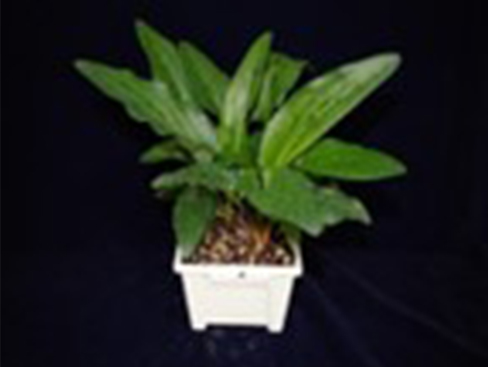
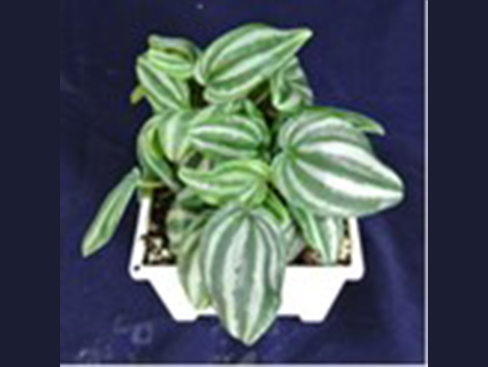
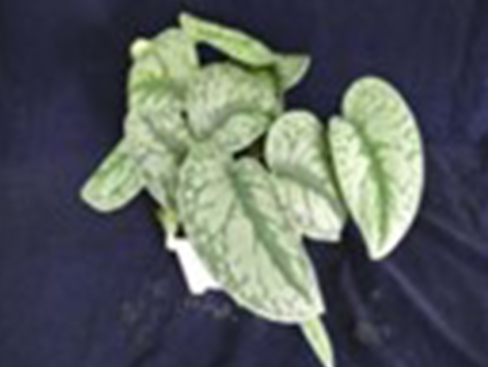
The ornamental plants screened by MARDI are Peperomia puteolata , Schismatoglottis calyptrata , Scindapsus pictus, Piper porphyrophyllu, Ledebouria socialis var pauciflora, Ledebouria petiolata, Peperomia argyrei, Tradescantia sp., Alocasia reginula and Eugenia sp.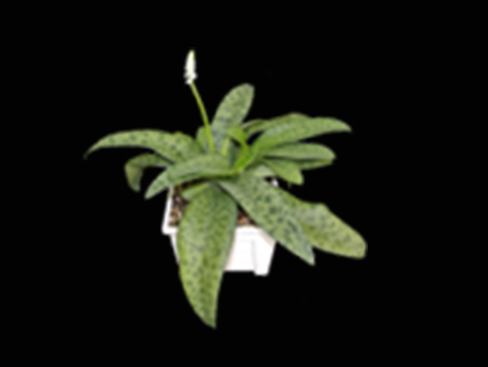


Engineering Technology
-
PRECISE AND SMART AGRICULTURE
EARLY WARNING SYSTEM FOR BEETLE BEETLE PESTS
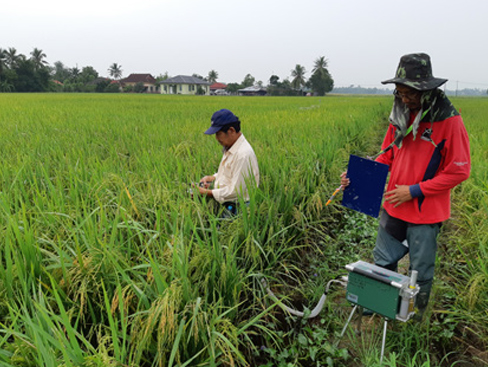
An early warning system (EWS) was developed to monitor the presence of rice beetles and prevent severe attacks by taking into account environmental factors such as temperature, relative humidity and rainfall. This system increases the efficiency of detecting the probability of outbreaks of rice beetle attacks on rice crops by 50%.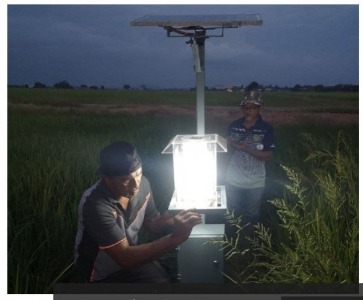
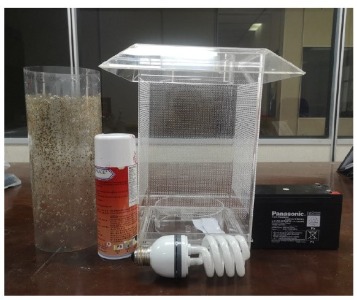
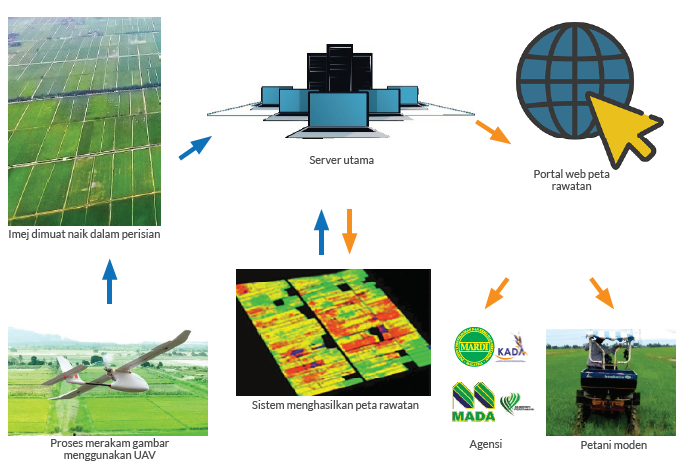
PRECISION FARMING OF RICE
Precision farming of rice combines sophisticated technology and efficient management to reduce the use of inputs such as seeds, fertilizers and pesticides, thereby contributing to cost savings and reducing adverse impacts on the environment.EVAPORATIVE COOLING SYSTEM
Evaporative cooling systems were developed as an alternative to expensive refrigerated trucks and low-quality canvas trucks, using the principle of water evaporation to lower the temperature and increase the humidity of the storage space. This system requires less energy, initial cost and operating cost, and is able to maintain the quality of vegetables for up to two weeks at a temperature of 5 °C, reducing post-harvest losses during transport and storage.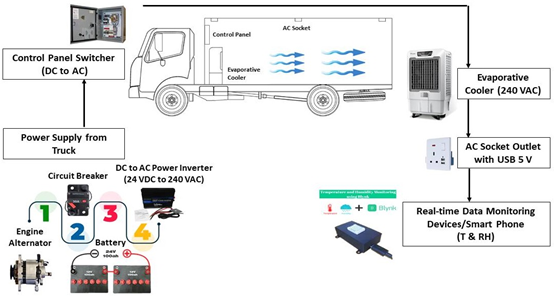
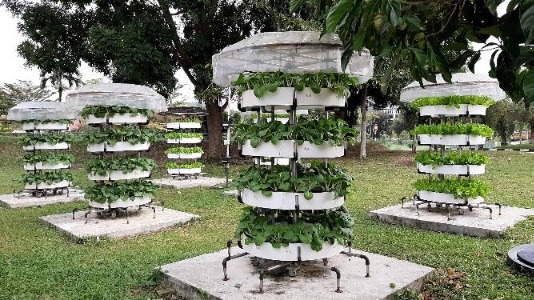
VERTICAL VEGETABLE GROWING SYSTEM
MARDI has developed a compact vertical structure called TUBE Plot. It aims to implement urban agriculture activities by producing multiple yields and does not require large areas of land.SMART FERTIGATION SYSTEM BASED ON THE INTERNET OF THINGS
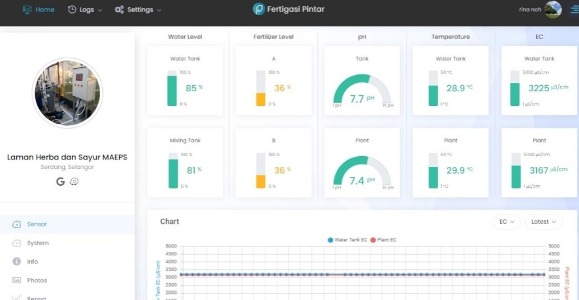
Smart Fertigation is a web-based application developed to manage fertigation systems more effectively using Internet of Things (IoT) technology. This system delivers the right combination of water and nutrients directly to the root zone of each plant according to the plant's growth needs.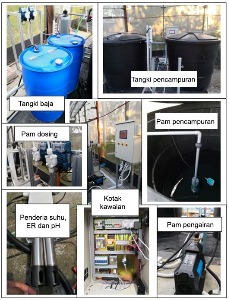
LAND LEVEL DETERMINATION SYSTEM
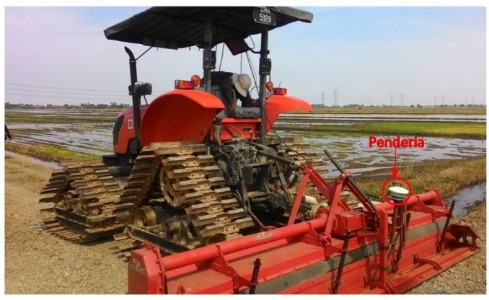
Preparing and managing the level of rice fields before sowing rice seeds is a critical step to ensure good irrigation and optimal crop growth. The development of a systematic system for determining the level of rice fields can solve this problem and reduce planting time.
VARIABLE RATE SEED SOWING SYSTEM
The determination of the soil evenness index is carried out using Trimble GPS receiver sensors mounted on rotary ploughs and tractors, and processed using QGIS software to produce the evenness index. This system produces reading accuracy of up to ±2 cm on the vertical axis and ±1 cm on the horizontal axis, and produces a map of rice seed sowing treatment divided into high, low and flat categories.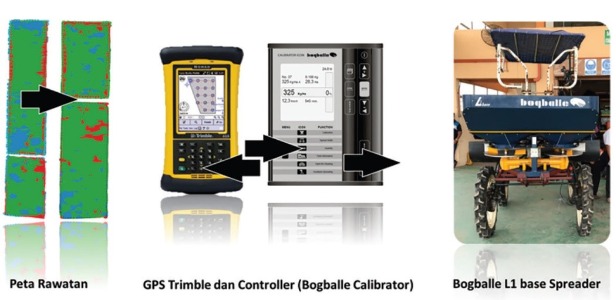
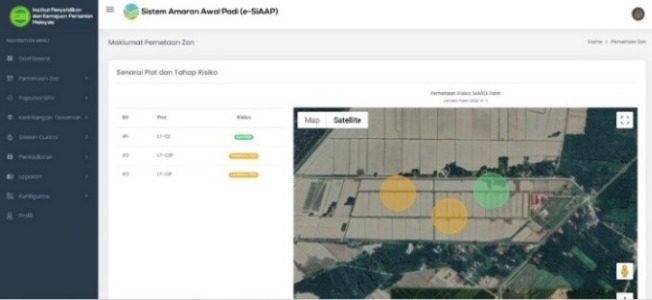
e-SIAAP - EARLY WARNING SYSTEM APPLICATION OF WARFARE PEST ATTACKS
Brown rice blast (BPH) is a major pest of rice crops that can cause losses of up to 60%, and the e-SIAAP application was developed to provide information on the risk level of BPH attack within seven days. This application increases detection effectiveness by 50% and helps farmers take immediate control actions to avoid losses.
-
POST-HARVEST MECHANIZATION
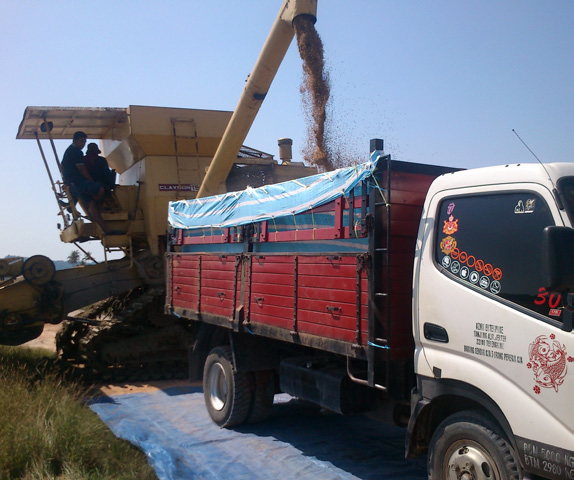
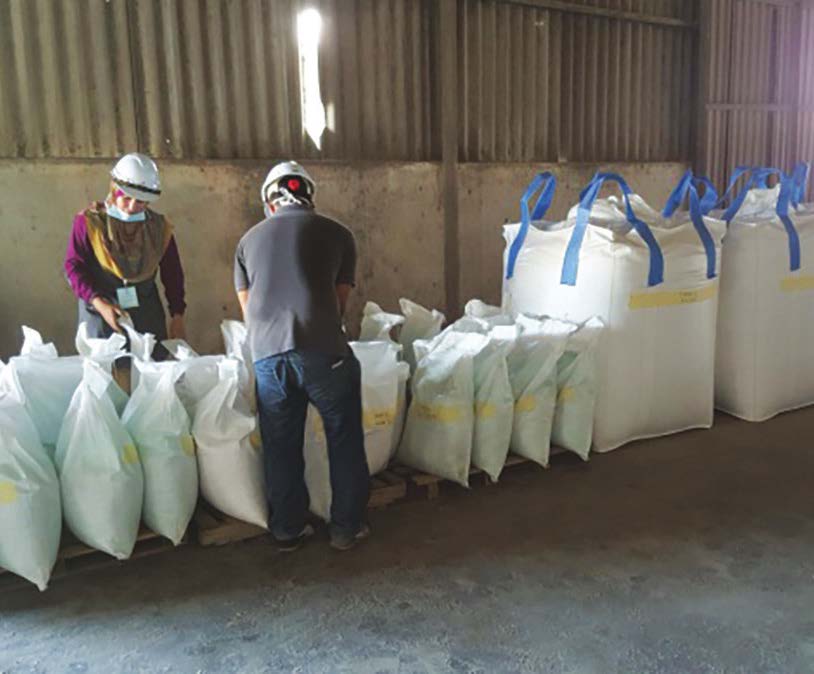
STANDARD OPERATING PROCEDURES (SOP) FOR REDUCING POST-HARP LOSSES OF RICE
The Ministry of Agriculture and Food Security has mandated MARDI to conduct a verification study on post-harvest losses of rice in 2015 – 2016 and identify methods that can reduce these losses.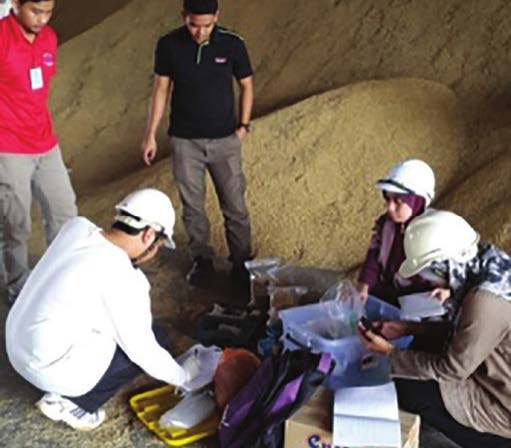

COMPOST MACHINE
The 15 kg capacity compost machine (Compo Bin) is developed to process plant waste continuously, equipped with a 25 W motor to mix the waste and speed up the composting process. -
FARM MECHANIZATION
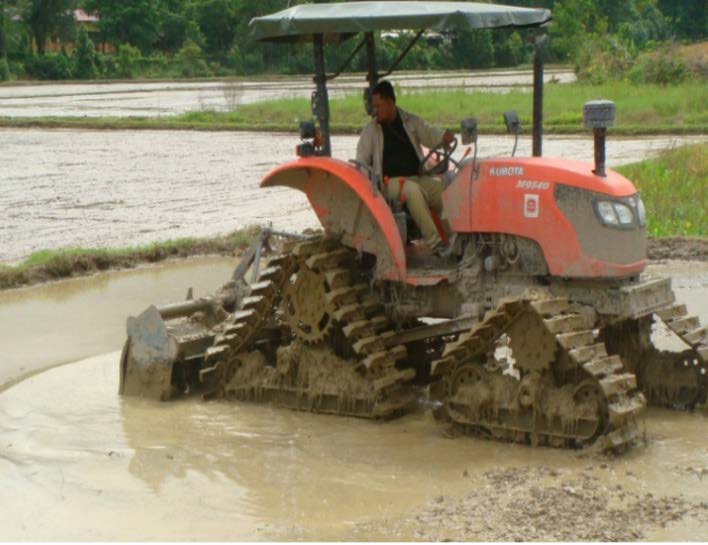
4-SHAFT CHAIN SYSTEM FOR TRACTORS
The 4-shaft chain system for tractors is used to reduce damage to the hard soil layer of paddy fields by increasing the area of contact with the soil and reducing pressure on the soil.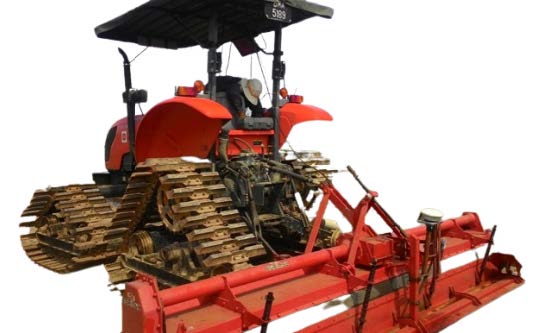
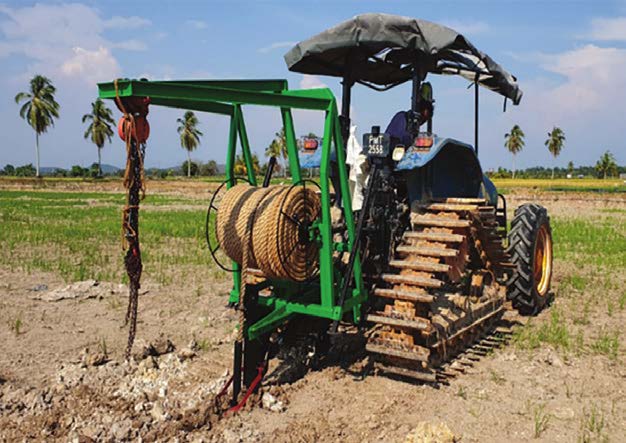
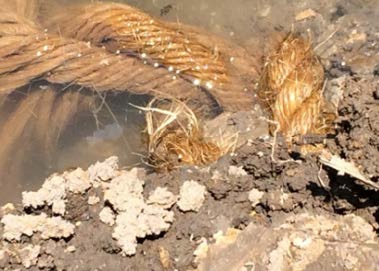
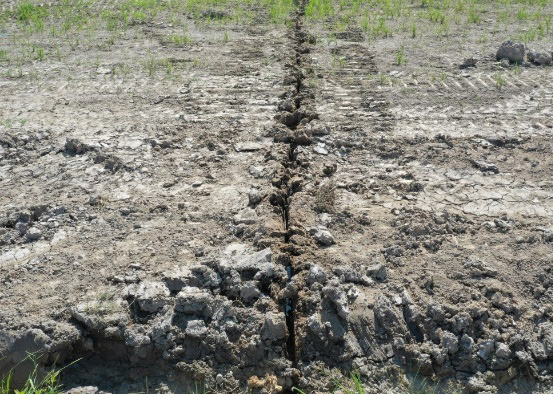
SUBSURFACE FLUID PLOW ( MOLE DRAIN )
Subsurface furrow plow is an implement mounted on a tractor and functions to remove stagnant water in rice fields. The technology was developed to overcome the problem of loose soil in rice fields.3-IN-1 IMPLEMENT: BOUNDARY CREATION, FERTILIZATION AND WEED CONTROL
The 3-in-1 disc boundary implement was developed to assist agricultural activities on farms. This implement is used to create crop boundaries, fertilise and weed simultaneously.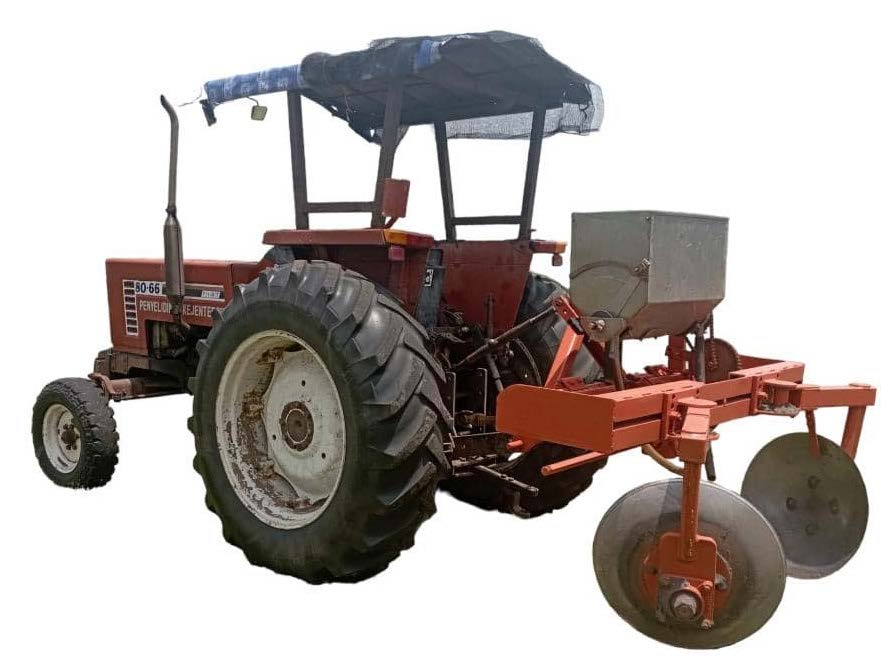
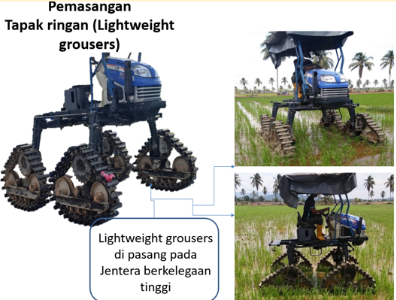
LIGHTWEIGHT GROUSERS FOR AGRICULTURAL TRACK: A NEW SOLUTION TO SOFT SOIL PROBLEMS
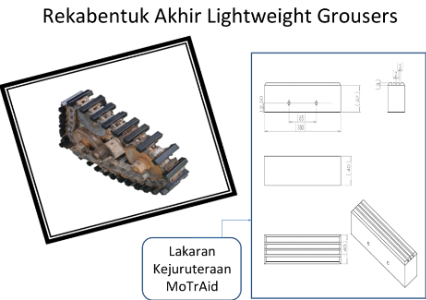
Polyoxymethylene (POM) was chosen as the base of the tracked track system due to its light weight, high rigidity, impact resistance, abrasion resistance, and hydrolysis stability, with slippage below 20% and creepage less than 30 cm.STANDARD OPERATING PROCEDURES (SOP) FOR JENTUAI COORDINATION MOBILE APPLICATION
SOPs have been developed to reduce paddy yield loss to less than 5% during harvesting. A mobile application containing the SOP for jentuai operation and maintenance has been developed to facilitate inspection and maintenance.
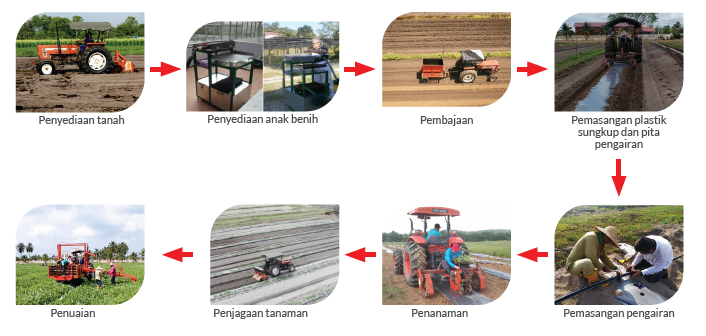
FARM MECHANIZATION SYSTEM FOR WATERMELON PRODUCTION
The technology developed is an improvement on the existing conventional watermelon production system by emphasizing the use of mechanization for selected operations. The farm mechanization system for watermelon production consists of several packaged mechanization technologies starting from land preparation operations to harvesting.SWEET POTATO PRODUCTION FARM MECHANIZATION SYSTEM
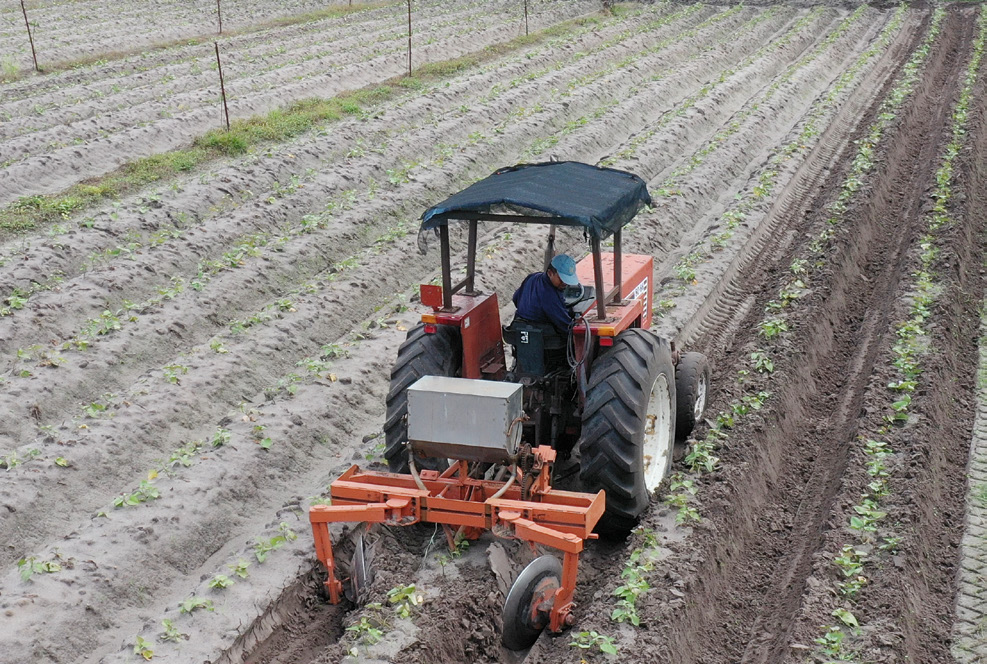
As a result of the research that has been carried out, MARDI has developed a complete farm machinery package to assist farmers involved in sweet potato production.
Plate plow 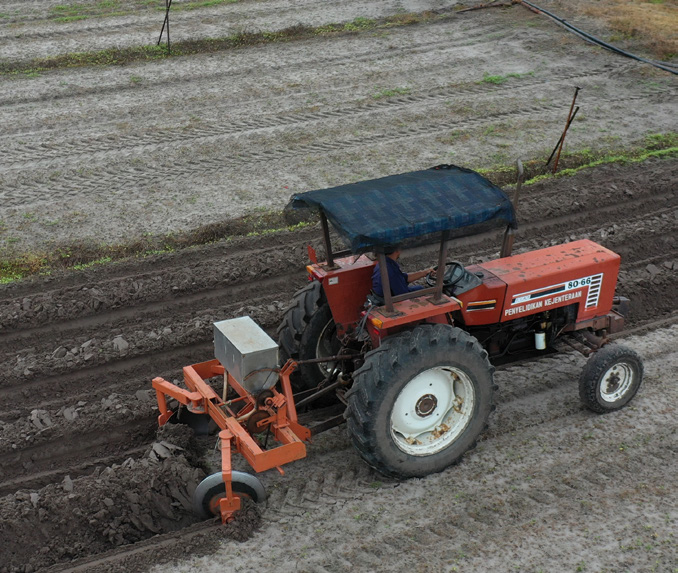
Rotary tiller 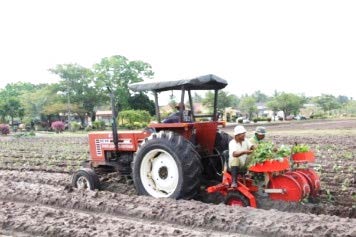
Planting machinery -
MECHANIZATION OF FOOD PROCESSING
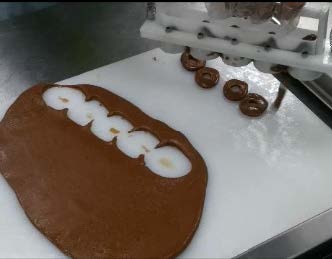
PENERAM CAKE SHAPING TOOL
The peneraram cake shaping tool was developed with a focus on increasing production capacity, producing consistent and clean product quality, low production costs, light, easy to carry and easy to clean and does not require skills to operate it.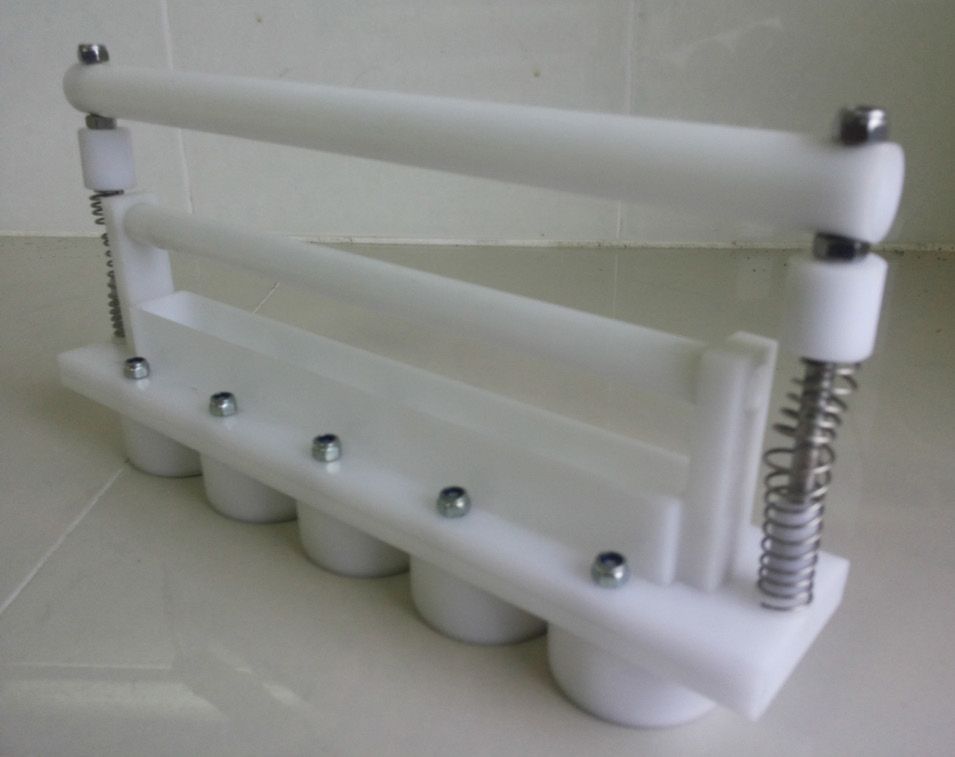
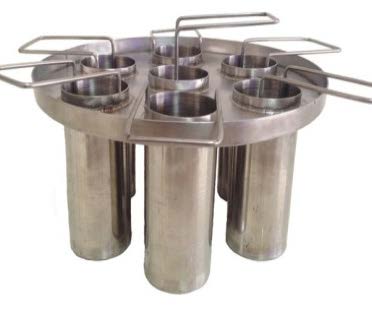
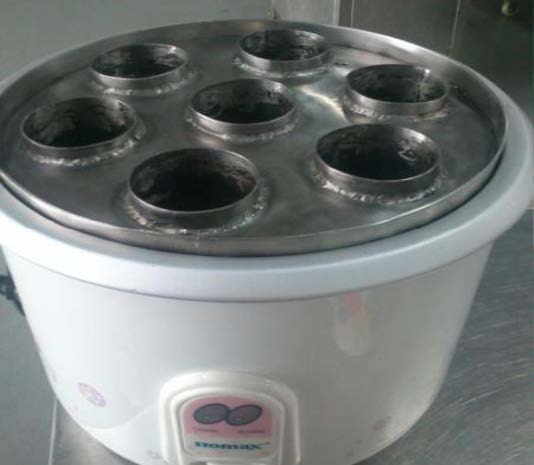
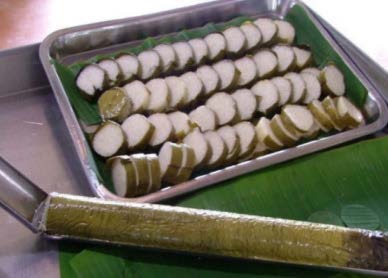
MARDI MINI LEMANG TOOL
The MARDI mini lemang tool is a tool for cooking lemang for domestic use.LEMANG OVEN
Lemang Oven technology was developed to ensure authentic taste, hygiene, operational efficiency, and production costs, and is equipped with an electric or gas heating system to control product quality and uniformity compared to conventional methods.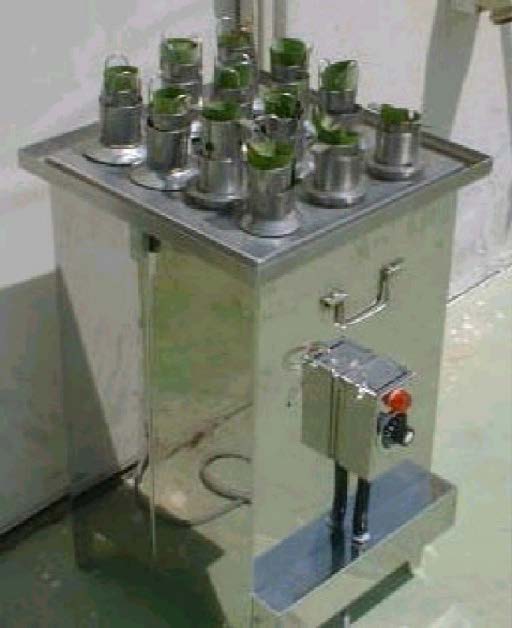

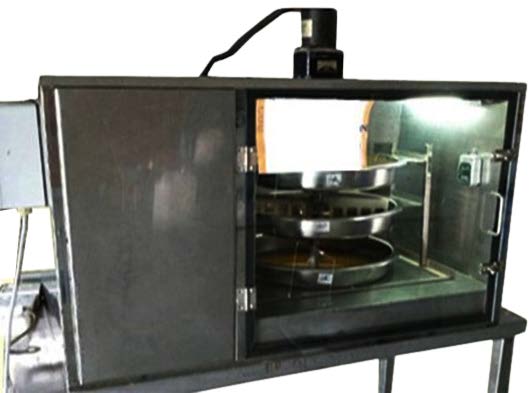
KELULUT HONEY DEHYDRATION DEVICE
The kelulut honey dehydration device was developed to reduce the moisture content of honey to the appropriate moisture range.
Paddy & Rice Technology
-
VARIETY OF COMMON RICE (WHITE RICE)
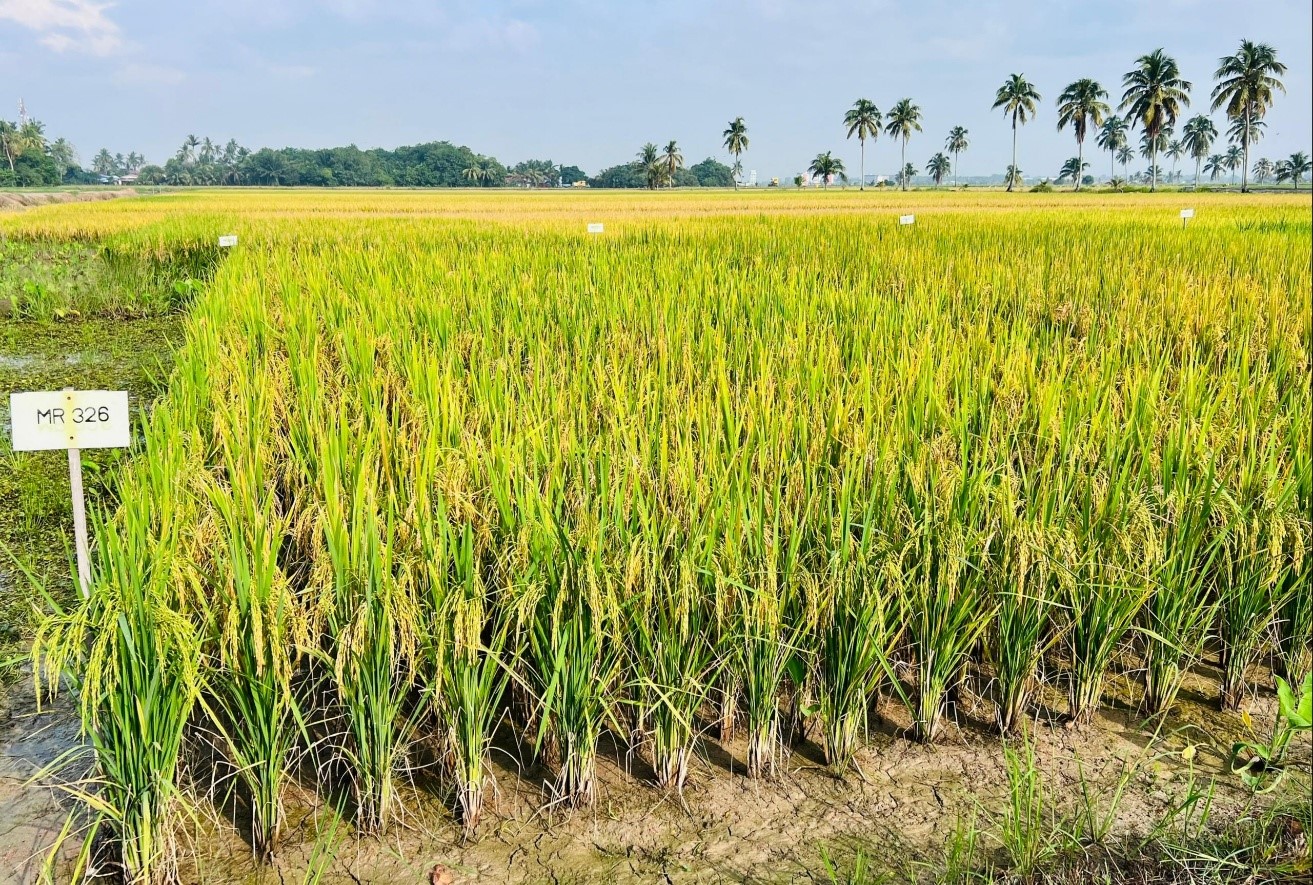
MR 326 (KESIDANG)
This variety was introduced in 2024 specifically for cultivation in areas outside granaries. The yield range is around 4.8 – 7.3 t/ha and has the potential to increase yield by at least 1 t/ha in paddy cultivation areas outside granaries. The variety is resistant to leaf rust and stalk rust.
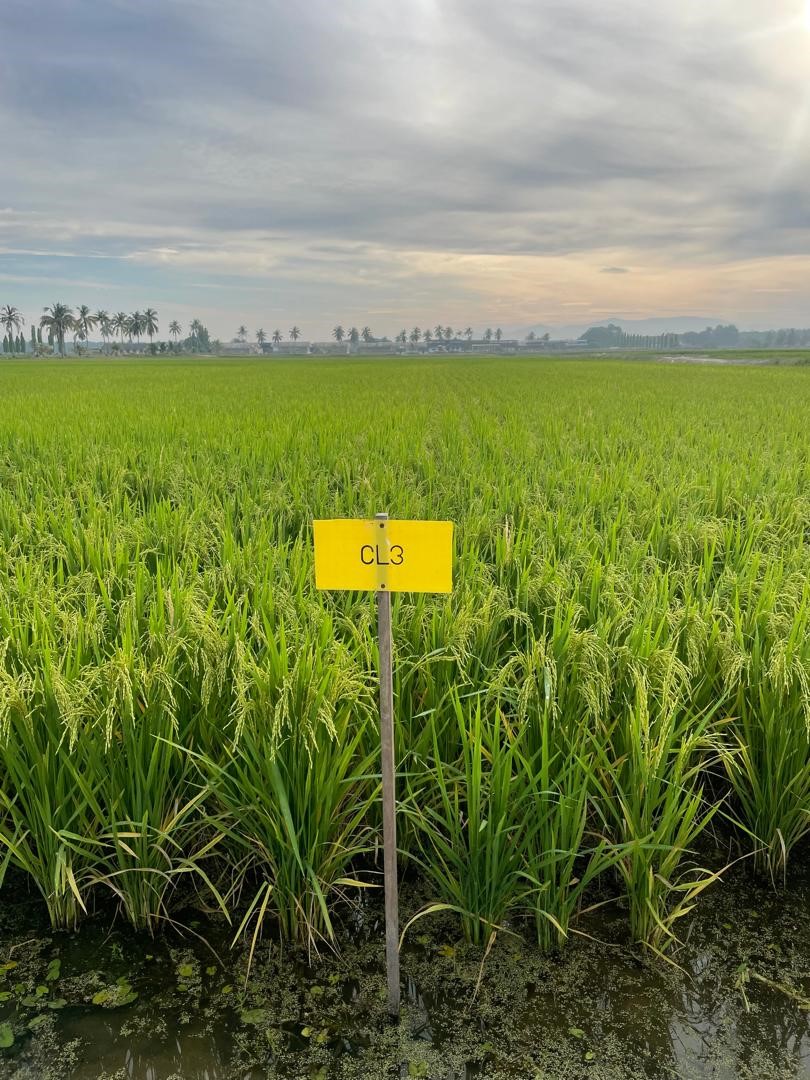
MR CL3
Declared in 2025 along with imidazolinone herbicide resistance stewardship technology for wind-blown rice control. The CL3 variety has a short maturity period of 99 days after sowing and a yield potential of around 7.2 – 7.3 t/ha. This variety is resistant to stem rot and moderately resistant to leaf rust.
MR CL4
A variety declared with imidazolinone herbicide resistance stewardship technology for wind-blown rice control in 2025. The CL4 variety has a yield potential of around 7.2 – 7.3 t/ha and a short maturity period of 102 days. This variety is resistant to stem rot and moderately resistant to leaf rot.

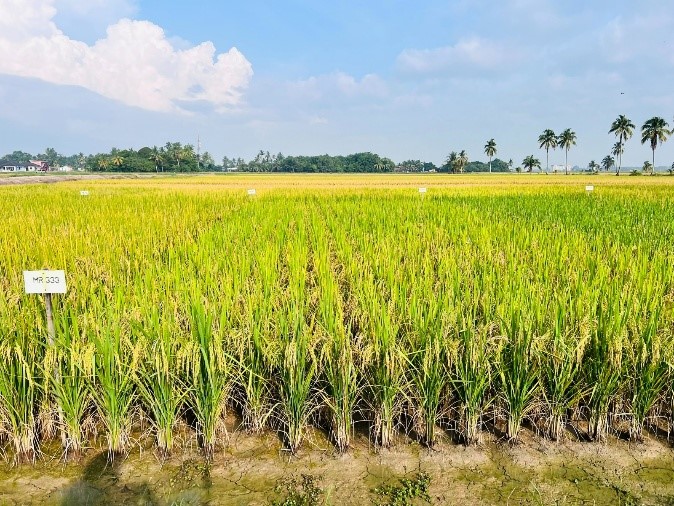
MR 333 (MENORA)
The MR 333 Menora variety was declared in 2025 for granary areas with a yield potential of around 5 – 9 t/ha and a maturity period of around 103 – 108 days. This variety is resistant to stalk rot disease and is suitable for planting in most paddy granary areas as an alternative to diversifying existing varieties.
MR 219 
Declared in 2001. Yield potential of 10.5 t/ha with a short maturity period of around 111 days after sowing.
MR 220 CL2
Herbicide resistant variety for wind-damaged rice control. It was introduced together with stewardship technology and is recommended for rice fields with wind-damaged rice problems exceeding 30% and continuous planting is only recommended for three seasons.MR 297
The MARDI Siraj 297 (MR 297) rice variety has a yield potential of around 9.52 - 9.28 t/ha. This variety has been well received by farmers with a planting coverage area in peninsular Malaysia of around 50.1% (ML 2021).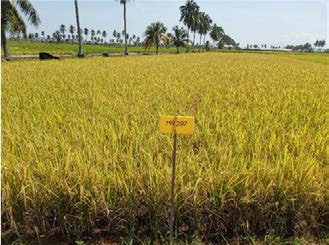
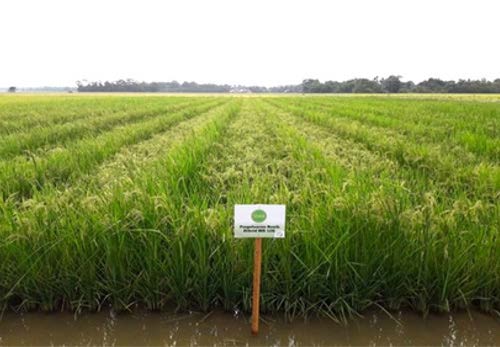
KADARIA 1
KADARIA 1 is Malaysia's first hybrid rice variety. This variety is recommended for moderately fertile areas. The yield potential of this variety can reach between 9.7 – 12 t/ha in fertile areas and 6.0 – 7.3 in moderately fertile areas and is resistant to leaf rust and stem rust. So far, no seed company is interested in commercializing the KADARIA 1 variety due to lack of technical skills.MR 315
The MR 315 rice variety is resistant and has an average net yield of around 8.3 t/ha.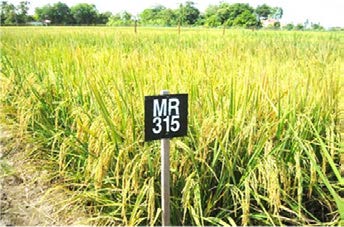

MARDI SEMPADAN 303
Declared in 2018. Yield potential 8.5 – 10.0 t/ha. A variety that is resistant to leaf rust disease, moderately resistant to stem rust and brown rot pests. This variety is less affected by environmental factors and can be recommended for planting in less fertile rice fields.MARDI SEBERNAS 307
This variety was introduced in 2018. This variety has a yield potential of 10.1 t/ha. The variety is moderately resistant to stem rot and brown rot pests.
-
GLUTEN RICE VARIETY
MASRIA
Masria was declared in 1972 as the first local glutinous rice variety produced and planted by rice farmers in most granaries but only on a small scale for their own consumption. This variety has a yield potential of around 3.0 – 4.4 t/ha and a maturity period of around 123 – 126 days.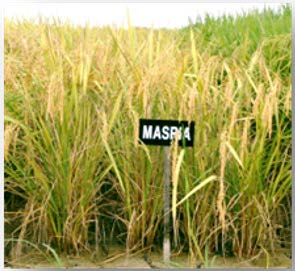
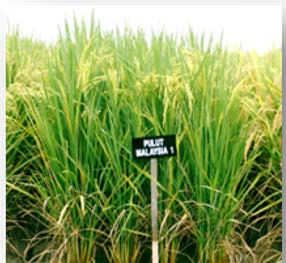
PULUT MALAYSIA 1
Malaysian glutinous rice 1 was declared in 1974 with a yield potential of around 3.9 – 5.0 t/ha and a maturity period of around 135 – 145 days. This variety had a coverage of 0.1% in the northern part of the peninsula from 1979 to 1981, mostly grown for personal and small-scale consumption only.PULUT SIDING
GLUTEN SIDING GLUTEN was declared in 1981 to have a yield potential of around 2.7 – 4.7 t/ha and a maturity period of around 135 – 143 days. The range of this variety is limited and most farmers plant it in small rice fields for their own consumption only.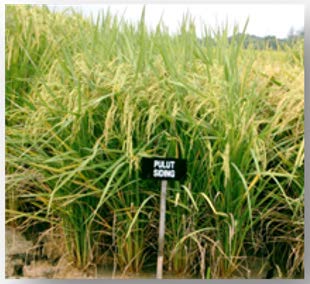
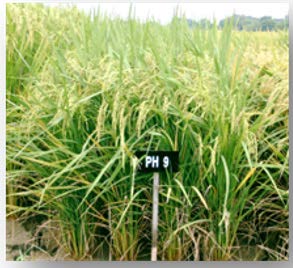
PULUT HITAM 9
Black Glutinous Rice 9 (PH 9) was declared in 1990 as the first black glutinous rice variety suitable for planting in the Main Season and Off-Season. The yield potential of PH 9 is around 3.8 – 4.7 t/ha and the maturity period is around 132 – 136 days. This variety is planted on a small scale each season for farmers’ own use. -
FRAGRANT RICE VARIETY
MRQ 50
The MRQ 50 fragrant rice variety declared in 1999 is produced from a cross between Q34 and Khaw Dawk Mali (KDML). KDML is a popular fragrant variety from Thailand, while Q34 is a local breed derived from the Mahsuri parent. It has the same rice elongation characteristics as basmati rice.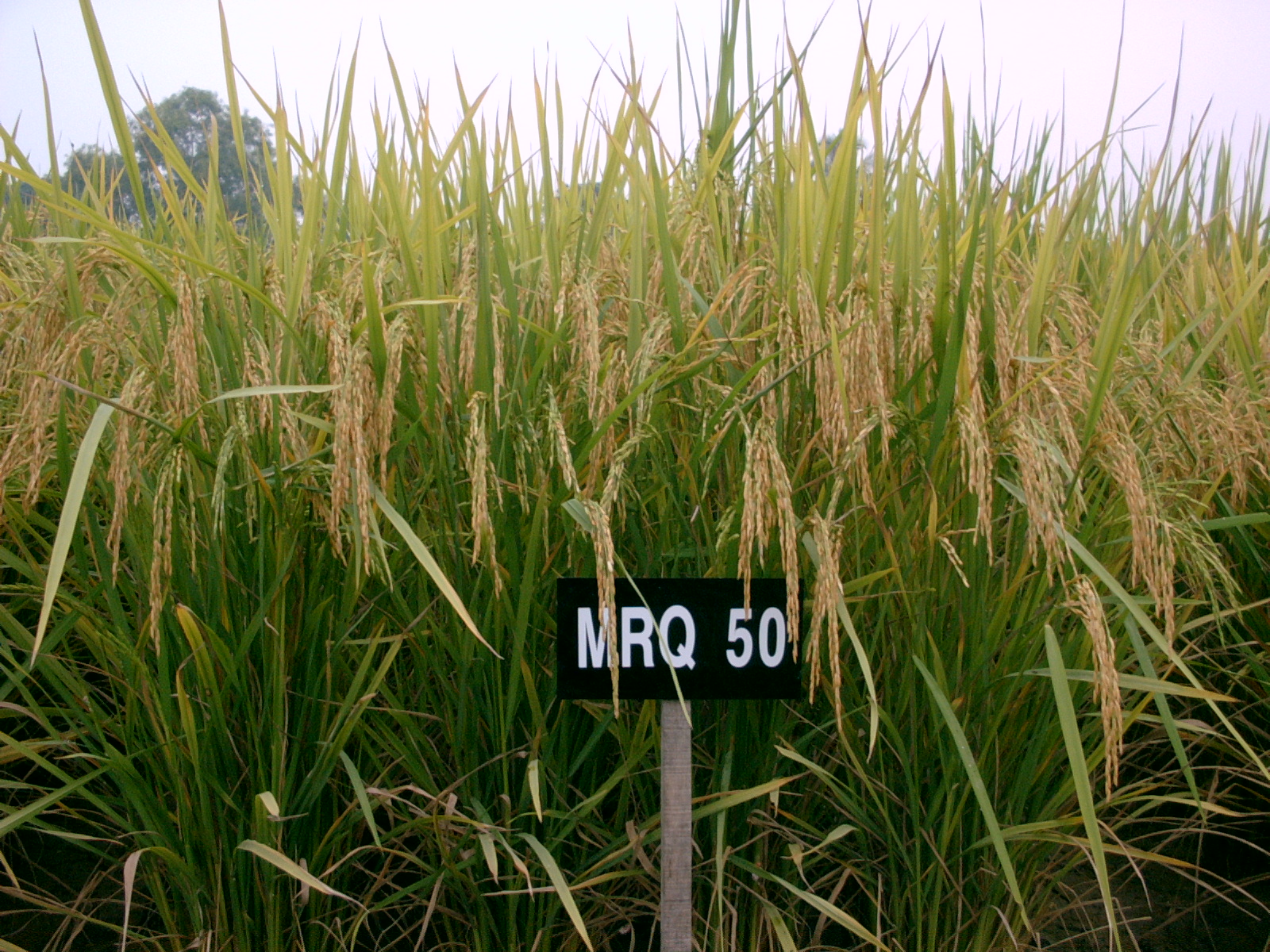
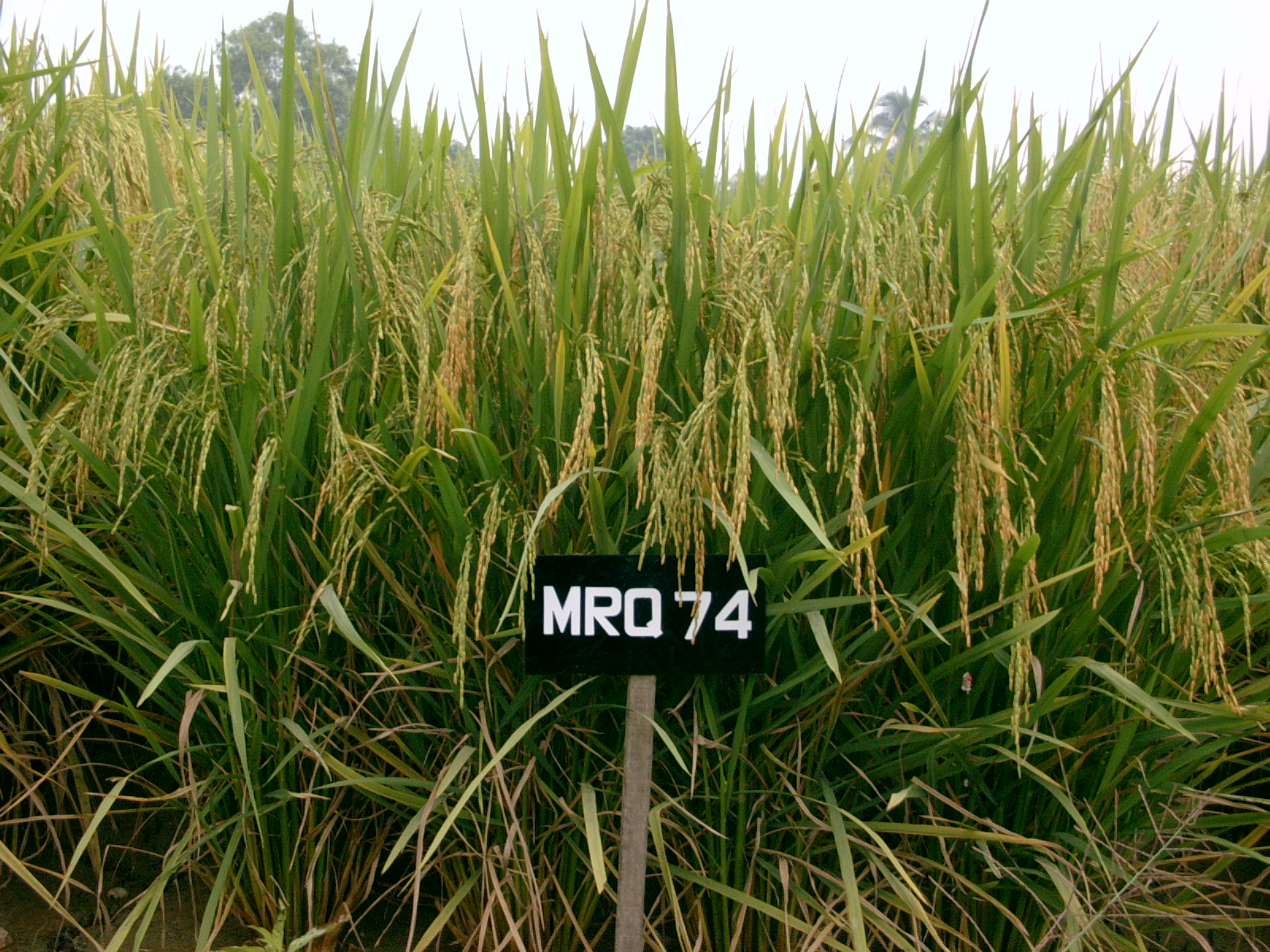
MRQ 74
This variety was declared for public use in 2005. This variety is grown in MADA, Kerian and KADA in small plots with special packages. This rice is harvested separately from other rice and processed separately to be made into local fragrant rice. The rice is aromatic and fragrant, while its maturity period is around 125 days.MRQ 76
MRQ 76 is a cross between Q 72 and Cuicak Wangi, a variety from Taiwan. This variety has been selected as a new fragrant rice variety with fragrant, soft and slightly sticky rice qualities. It was declared in 2012 and until now it has been successfully produced commercially through several projects involving companies such as FGV Bhd. Sri Merbok Sdn. Bhd. and Koperasi Permatang Nibong.

MRQ 88
The MRQ 88 fragrant rice variety was introduced by MARDI in 2016 to diversify local specialty rice. MARDI Wangi 88 can be promoted as a fragrant rice with a Malaysian flavor, especially among consumers who prefer medium-soft rice. The promotion of this variety can also be targeted at non-fragrant rice fans because the characteristics of this variety of rice are the same as regular rice.MRQ 104
MRQ 104 is a fragrant rice variety introduced in 2021. It has a rice taste that is equivalent to imported fragrant rice such as aromatic, medium soft and non-sticky rice texture. The yield potential of this variety is around 3.0 – 5.4 t/ha and its maturity period is around 115 – 122 days.

MRQ 103
MRQ 103 is a fragrant rice variety introduced in 2022. Apart from having a rice taste that is equivalent to imported fragrant rice, it has added value in terms of nutritional value, namely a low glycemic index (GI). Therefore, MRQ 103 rice has the potential to be made into a premium product that has a higher market price compared to regular white rice.MRQ 107
MRQ 107 is a MARDI fragrant rice variety introduced in 2024 produced through the crossbreeding method between the MRQ 74 variety and the recurrent parent MRQ 76 variety. This variety has a medium maturity period of 112-115 days after sowing, is resistant to leaf rust and stem rust diseases and has a yield range of 3.0-6.6 t/ha at the local validation test (LVT) level. The uniqueness of MRQ 107 lies in the soft and aromatic rice texture and is suitable for use as boiled rice as a commercial product.

MRQ 111
The MRQ 111 variety was introduced in 2024 and was produced through the crossbreeding method between the popular fragrant rice varieties MRQ 76 and MRQ 85 and the recurrent parent variety MRQ 76. MRQ 111 matures in around 116 - 118 days and shows good resistance to leaf rust and stem rust. The yield potential is between 2.6 - 5.8 t/ha at the local verification test (LVT) level. The uniqueness of MRQ 111 lies in its soft and slightly sticky rice texture, moderate aroma characteristics and is suitable for the production of boiled rice. -
COLORED RICE VARIETY
MRM 16
MRM 16 was declared in 2010. This red rice variety is planted twice a year with a yield potential of around 4.5 t/ha and has high anthocyanin content.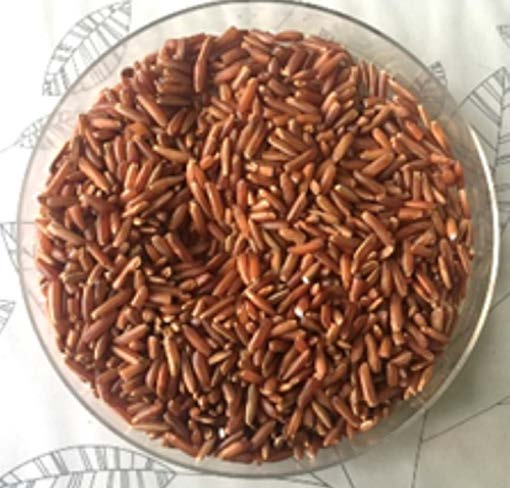
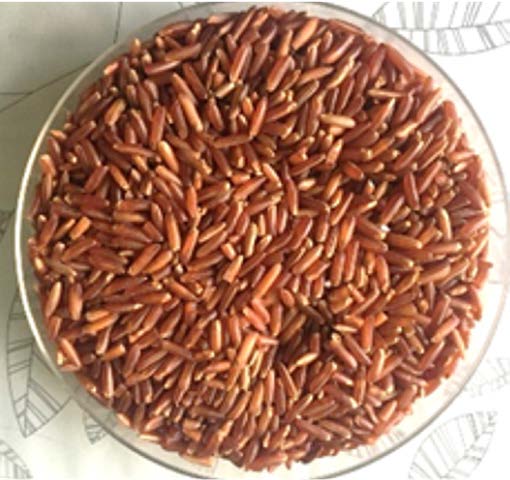
MRQ 98
MRQ 98 was declared in 2018. This red rice variety is planted twice a year and has a high yield potential of around 5.7 t/ha. -
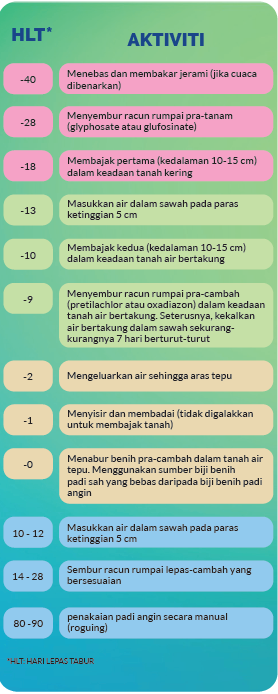
WIND RICE CONTROL TECHNOLOGY FOR WET DIRECT SOWING SYSTEM PRACTICE, WRFree©
Wind Rice Control Technology for Direct Wet Sowing System Practices, WRFree© is a new method developed by MARDI in 2020 to control wind rice in direct wet sowing system practices more effectively. WRFree© refers to the Standard Operating Procedure (SOP) for wind rice management through the use of modified pre-emergence herbicide techniques so that the population of wind rice seeds in the soil can be reduced. The correct use of the WRFree© SOP helps reduce the wind rice population by 30 – 45% in the first season and the practice of this SOP in the second season can reduce the wind rice population by 70 – 85%.
-
BACTERIAL SPOT Blight (BPB) DISEASE MANAGEMENT PACKAGE IN RICE PLANTS
The bacterial blight (BBF) disease management package was developed as a recommendation for the control and prevention of BBF in rice cultivation through the integration of seed treatment methods and foliar sprays at the mature plant stage. This package helps inhibit the growth of B. glumae on the seed surface, directly reducing the source of inoculum on the seed surface, capable of reducing the incidence of BBF in the field by up to 50% without significantly affecting the germination rate of rice seeds, easy to follow management by farmers where sowing can be done immediately after seed treatment, no significant phytotoxic effects on rice plants and affordable treatment costs. 
-
FERTILIZER PACKAGE
PEMBANGUNAN PAKEJ BAJA NPK SPESIFIK DI YAN, MADA
This package is a technology that can be utilized by approximately 1,000 farmers in Yan MADA with a recommended NPK fertilization rate ratio of 91.7:50.3:81.5 kg/ha. The implementation of this package on a large scale by farmers in Yan MADA has shown an increase in income of RM362.47/ha compared to the current subsidy package based on savings in fertilizer input use and increased yields.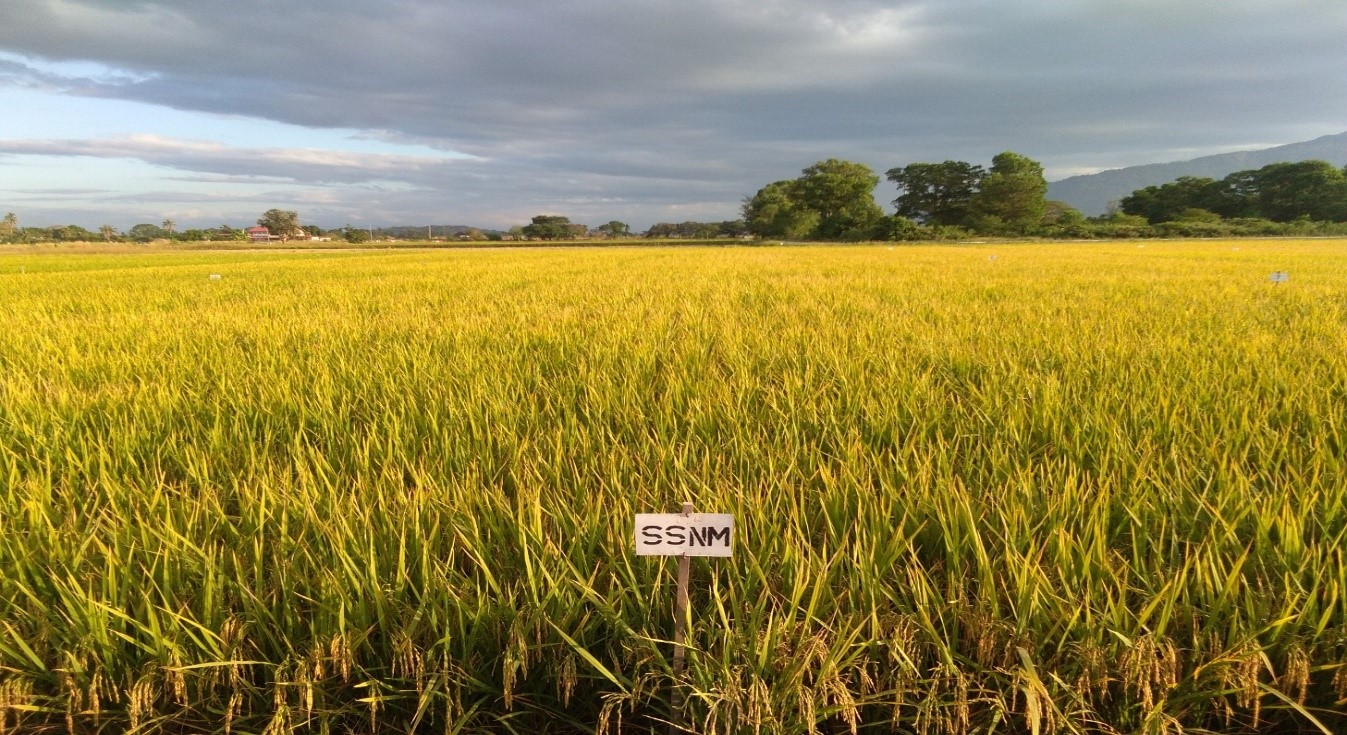
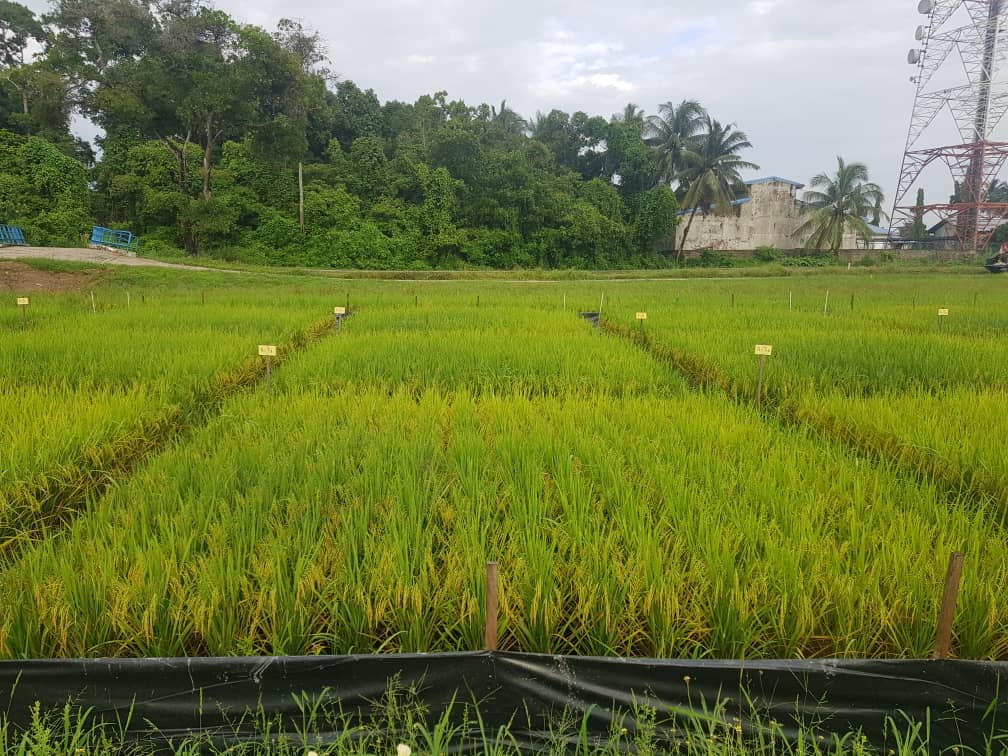
PEMBANGUNAN PAKEJ BAJA NPK SPESIFIK WILAYAH KADA
KADA region-specific NPK fertilizer package is a technology package based on Site Specific Nutrient Management (SSNM) where fertilizer use is specific to the KADA Region. Studies at nine locations in KADA show that the use of 105 kg N/ha, 44 kg P 2 O 5 /ha and 78 kg K 2 O/ha can increase rice yields in KADA. This package can increase rice yields from 6 t/ha to 7 t/ha.PEMBANGUNAN PAKEJ BAJA NPK SPESIFIK IADA BARAT LAUT SELANGOR
This package is a specific SSNM technology in IADA and is utilized by farmers in a local area of 130 ha. The technology focuses on Organic Clay Muck (OCM) soil with a recommended fertilization rate of 75.0:27.5:50.4 NPK kg/ha in this area. The application of this specific fertilizer is estimated to produce additional benefits of RM1,570.23/ha compared to only using the existing subsidized fertilizer package.
-
CMS MARDI PADI MOTHER
PADI MANDUL JANTAN SITOPLASMA CMS 0025A/B
Titisan padi 0025A is a CMS MARDI rice parent developed in 2012. It is used as a hybrid parent in hybrid rice breeding. This parent has pollen sterility characteristics of over 99%, stigma protrusion rate of 21.3%, maturity period of 105 days, low plant height, and moderate resistance to rust and brown spot diseases. CMS 0025A along with other parents 0025B and 004R are the rice parents used in the development of MARDI's first hybrid rice, namely Kadaria 1 (MR 12H.)

PADI MANDUL JANTAN SITOPLASMA CMS 0053A/B
0053A is a CMS rice parent developed by MARDI in 2018. This parent has characteristics of sterility of around 98%, stigma elongation rate of 48.0%, maturity period of 99 days, low plant height, and resistance to leaf rust disease and moderate resistance to stem rust disease. This innovation has the potential to be used in the development of new hybrid rice varieties and the production of hybrid rice seeds.
Food Science & Technology
-
CONVENIENT FOOD
SOFT LEKOR CRACKS
Unlike traditional lekor crackers, lekor crackers produced by MARDI have a softer texture and a lot of fish flavor.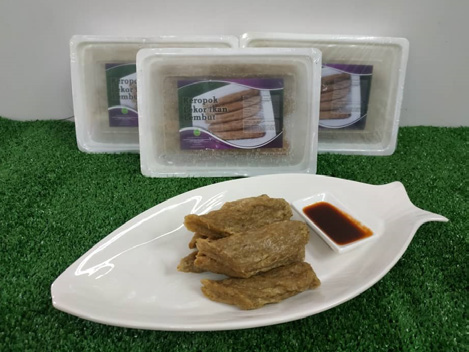
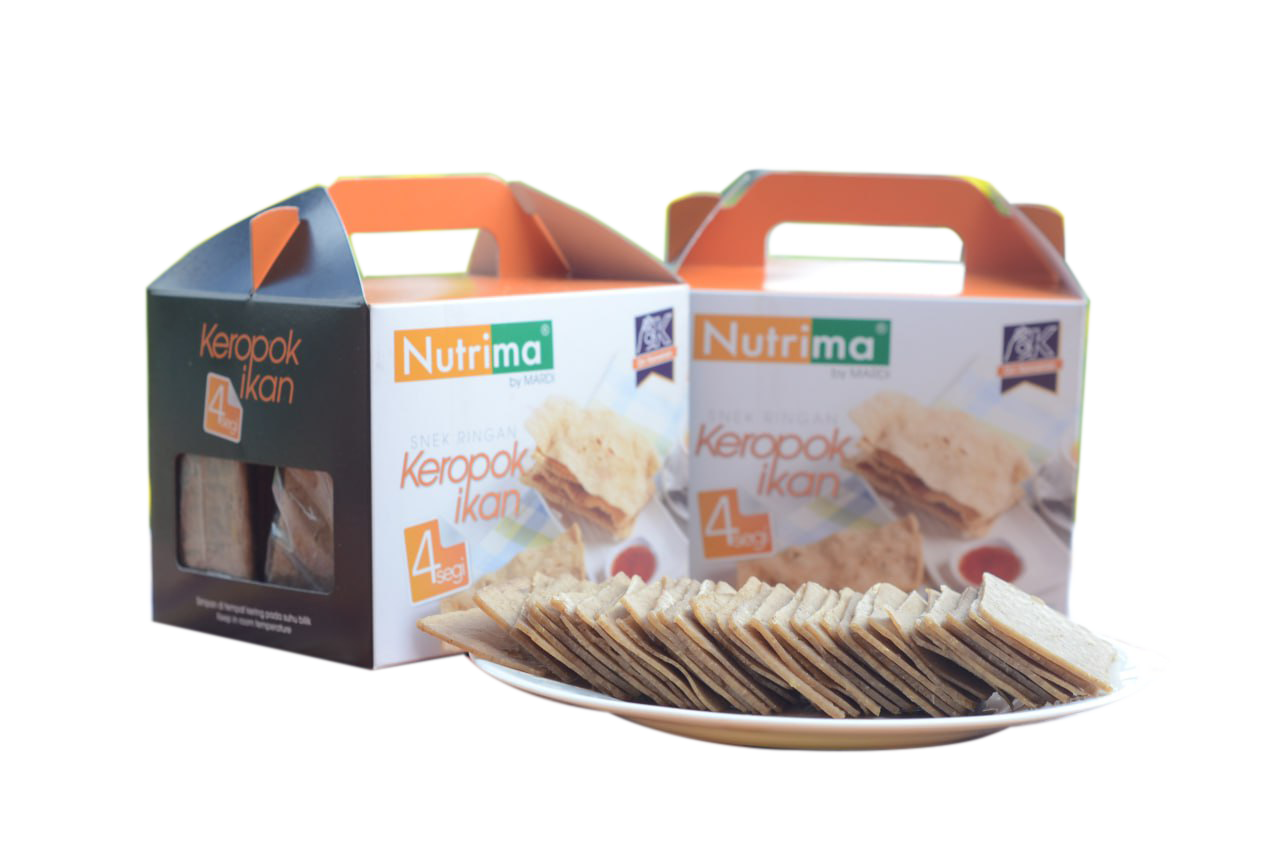
SQUARE FISH CRACKS
Technology that can maximize the packaging space of fish crackers. Formulation and shape can reduce the percentage of broken pieces.PATIN FISH TOFU
Patin fish tofu technology has been successfully formulated with a combination of patin fish meat, modified starch and a mixture of soybean products which provides a soft and chewy texture.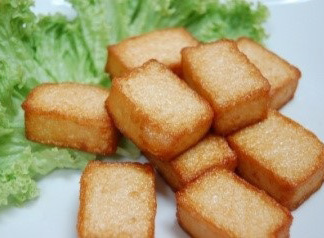

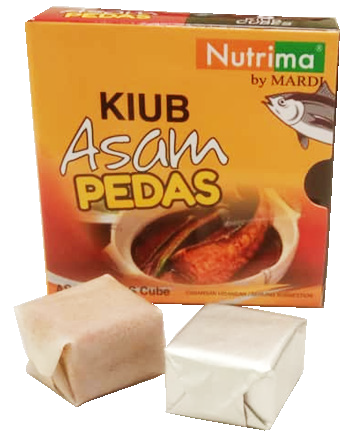
SPICY CUBES
Spicy asam cubes are convenient cubes that make it easy to prepare spicy asam sauce. Spicy asam sauce can be prepared in just 10 – 15 minutes after the protein is added to boiling water.FERMENTED OLD COCONUT WATER DRINK
This product is suitable for general health at all ages including athletes or sportsmen because it has the characteristics of an isotonic drink.

HPP TECHNOLOGY SMOKED MEAT
Safe to eat without cooking. Shelf life up to six weeks in cold storage. -
GENERAL HEALTH FOOD
JUST GREAT
is a functional drink made from a blend of tropical fruits and high quality honey. The production of this product uses enzyme technology to ensure a high content of free phenolic acids.

CELLCODE
Cellcode products are formulated based on musk lime which is rich in phloretin-G, vitexin rhamnoside and ferulic acid, which are antioxidant compounds that improve health levels with antihypertensive, anti-ischemic and cardiotonic properties.COCOS EMULSION
Cocos emulsion is a virgin coconut oil (VCO) beverage product in emulsion form. It is rich in VCO that contains high Medium-chain Fatty Acids (MCFAs) and is suitable as a supplement product to strengthen the body's immune system.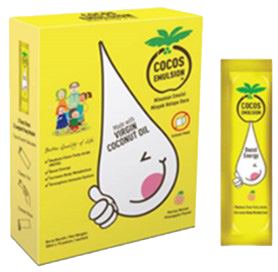

PEGAGA DRINK
Pegaga drink is a ready-to-drink product that has a high antioxidant content. This drink is developed in four types of products, namely pegaga drink, ginger pegaga drink, honey pegaga drink and ginger honey pegaga drink.CONVENIENT COMPOSITE BREAD WITH ANTHOCYANINE NUTRITION FROM ANGGUN SWEET POTATOES
Contains anthocyanin nutrition using local sweet potatoes.
-
HEALTHY FOOD FOR ATHLETES
BROM UP
Brom Up is a product developed based on MD2 pineapple. This product is able to reduce the swelling of the legs to normal levels like commercial drugs.
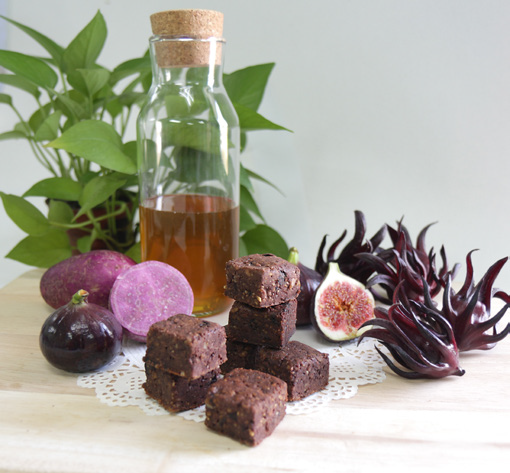
ENDURAN BAR
Enduran Bar is a product formulated from a combination of honey, sweet potato and figs. The specialty of this bar compared to energy gel products is its ability to provide continuous energy without a sugar spike.HIGH ENERGY CANDY
High Energy Candy is made from a combination of honey, sweet potato, and roselle . This candy can provide an instant energy boost as early as 30 minutes after eating.
-
HEALTHY FOOD FOR THE ELDERLY
NUTRITION-DENSE CEREALS
Nutrition-dense cereal technology from local fruits (bananas, papayas and pineapples) and brown rice was developed to meet the nutritional needs of the elderly.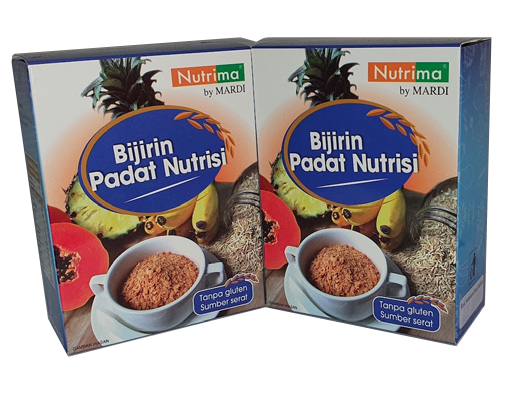
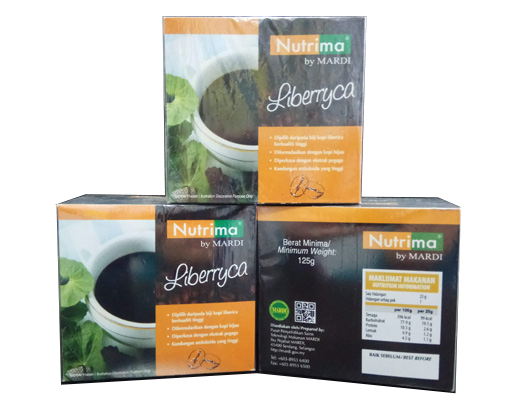
PEGAGA COFFEE
Pegaga coffee is an alternative healthy drink for the health care of the elderly.JELLY PUDDING PREMIX POWDER
Ready-to-eat mixed soup for the health of the elderly made from orange sweet potato, grey oyster mushroom, spinach and enriched with pegaga extract.

PRO BAR: NUTRITION BAR
A healthy snack with a texture suitable for seniors. Rich in calcium, magnesium, protein and creatine for strong bones, healthy muscles, and smooth digestion.MIXED VEGETABLE, VEGETABLE AND PEGAGA EXTRACT POWDER SOUP (NUTRISOUP)
This product is unique because it is made from sources of vegetables and tubers, namely orange sweet potato, mushroom, spinach and pegaga extract. It is suitable for the elderly because it contains triterpenoids to improve cognitive function and mental peace.
-
HEALTHY FOOD FOR CHILDREN
FRUIT SOFT CANDY
This fruit soft candy , developed based on pineapple and lime, contains vitamin C (202.35 mg/100 g) and high levels of antioxidants.
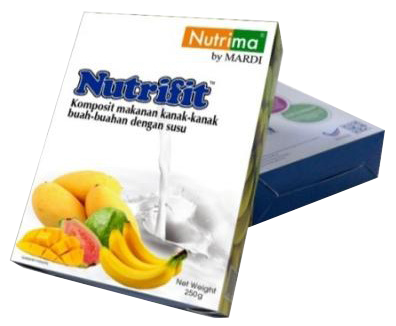
FRUIT CEREAL
is a composite pre-mixed food product for babies (>9 months) based on fruits, namely banana, mango, pink guava, powdered milk, vitamins and minerals. -
ANTIHYPERCHOLESTEROLEMIC PRODUCTS
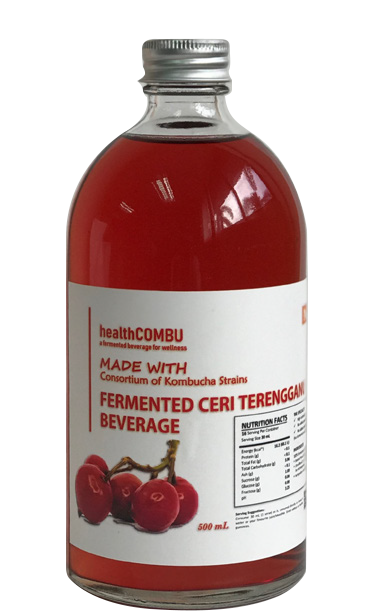
FERMENTED KUINI AND TERENGGANU CHERRY BEVERAGES
Beverage products based on kuini and Terengganu cherries are produced through a fermentation process using a consortium of kombucha strains.
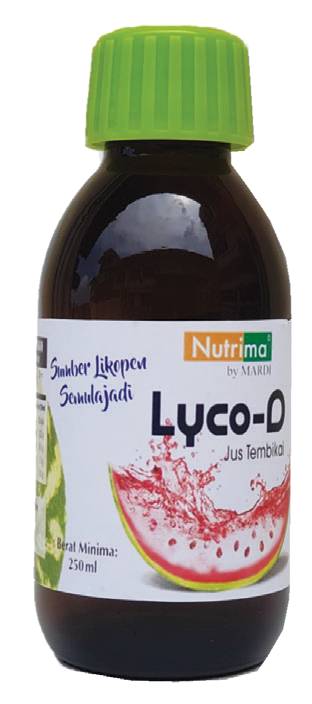
LYCO-D: LYCOPEN-RICH DRINK
A lycopene-rich drink formulated from watermelon. This drink can improve kidney function where the urea content in the blood is low.BOTANICAL SMOOTHIES PRE-MIXED POWDER
Botanical smoothies pre-mixed powder is an innovative pre-mixed product developed from local tuber and vegetable sources and contains anthocyanins and phytosterols.
-
ANTI-AGING PRODUCTS
GLOW D
Glow D is a nectar rich in antioxidants through a combination of roselle and pitaya fruit which are rich in anthocyanins and betacyanins.

MYCOSKIN
Mycoskin products which contain Schizophyllum commune extract (kukur mushroom) have antioxidant, anti-aging and anti-pigmentation properties.
Soil, Water & Fertilizer Science Technology
-
SOIL & WATER SCIENCE TECHNOLOGY
BRIS FIXER TECHNOLOGY
BRIS Fixer is an innovative biomass compost based on rice husk biochar, specially formulated to improve problematic sandy soils such as BRIS soil. It is produced through a selected composting technique that combines chicken manure and biochar at optimal rates, producing a soil conditioner that is rich in nutrients and has a high water retention capacity.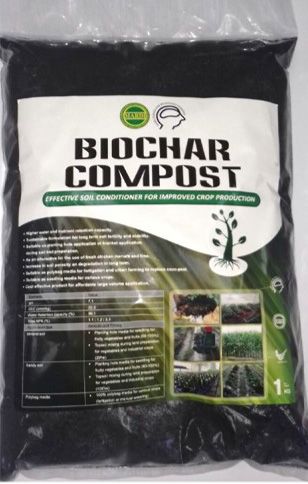
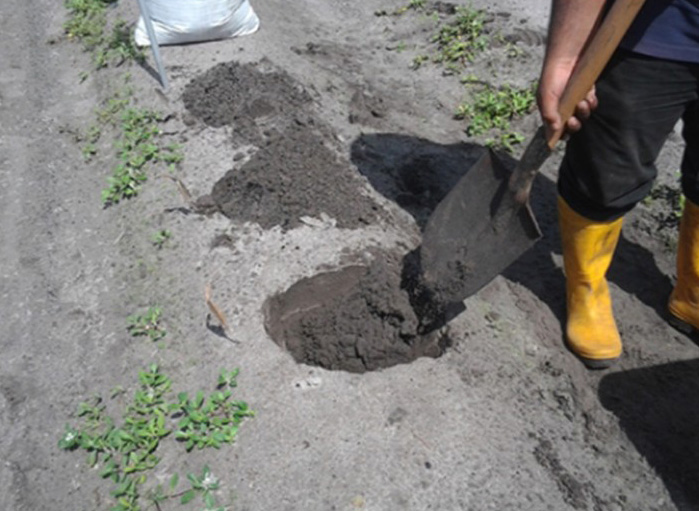
POMS and EFB compost application method by surface application 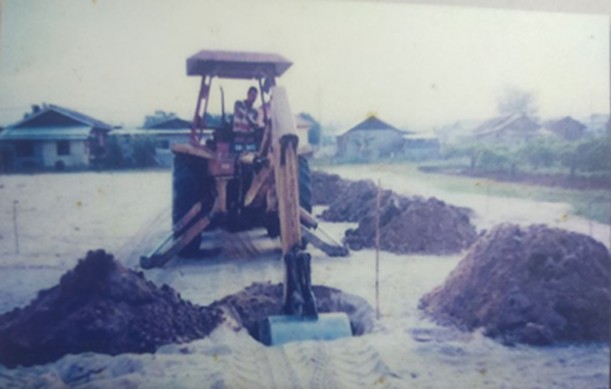
POMS and EFB compost application method by application in planting holes BRIS SOIL CONSERVATION TECHNOLOGY
Through the application of organic matter (Palm Oil Mill Sludge-POMS) and empty palm fruit bunches (Empty Fruit Bunch-EFB). This soil treatment technology was developed specifically to improve the quality of BRIS soil and sandy soil such as former mine land. It is applied through two main methods, namely surface application and application in planting holes. The results of using this technology show a significant improvement in soil quality.TECHNOLOGY FOR CONSERVATION OF PEATLAND
Through the 'Zero Burning' method and effective drainage system management. The 'Cut-Collect' zero burning technology is a peatland conservation method for the preparation of sustainable planting sites and effective drainage management. This technology helps with the problem of peat deposition and reduces the decomposition of organic matter to a minimum. The 'cut-collect' method involves cutting down forests, piling up and collecting the waste and leaving it to rot outside the plot. This technique is suitable for large and long permanent crops and gradually adding fertilizer to the soil.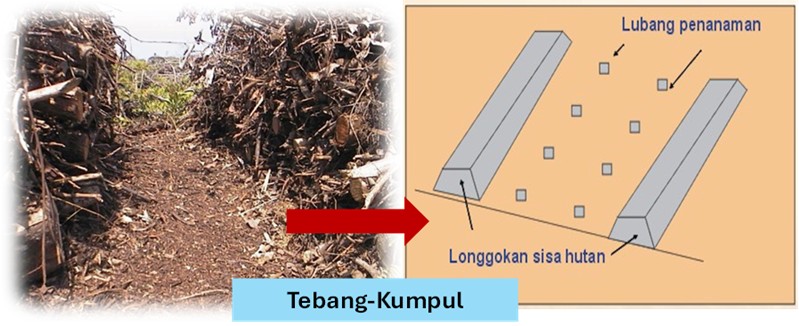
Buluh madu (Gigantochloa albociliata)

Goji Berry (Lycium chinense)
Kimcham (Hemerocallis minor) SLOPE SOIL CONSERVATION TECHNOLOGY
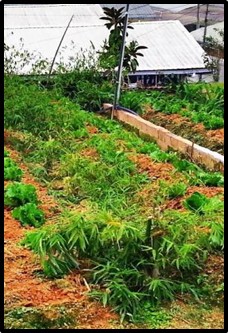
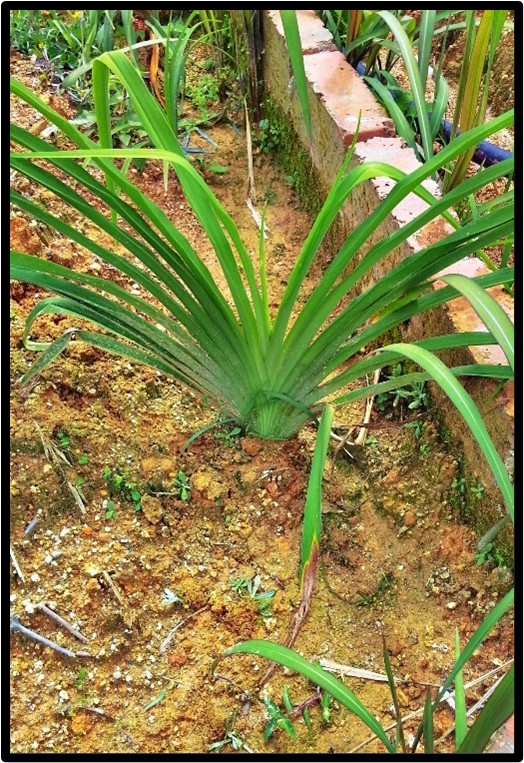
Through slope stabilizing and economically valuable crops. This slope soil conservation technology uses stabilizing crops such as goji berry (Lycium chinense), kimcham (Hemerocallis minor) and honey bamboo (Gigantochloa albociliata) which are strategically planted in the surface water flow paths of sloping vegetable gardens. This approach helps reduce surface runoff, prevent soil erosion and control sediment, while also producing economically valuable crops. The use of the 'live staking' method and planting saplings as buffers makes this technology suitable for slopes between 15 and 18 degrees, thus supporting sustainable and competitive agriculture.RICEFERT-OC
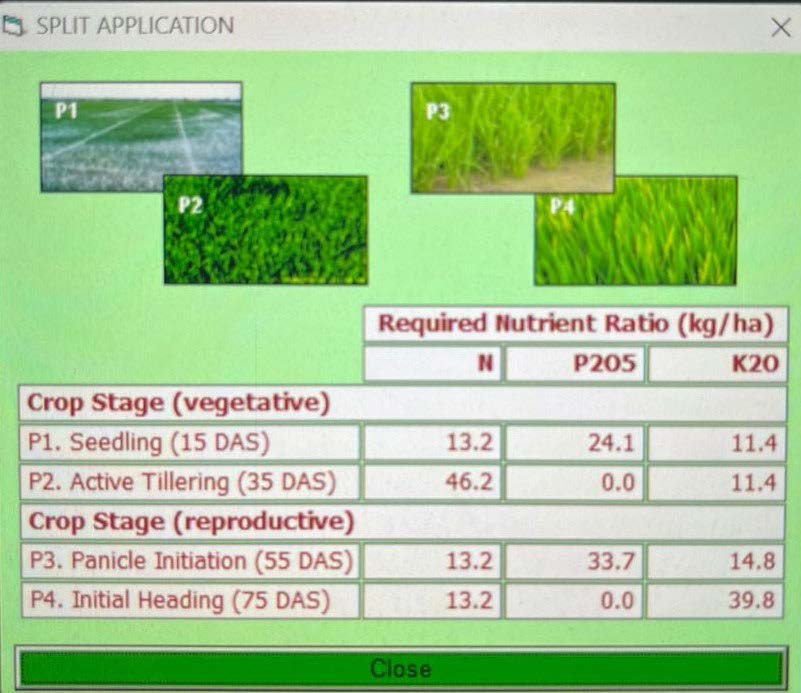
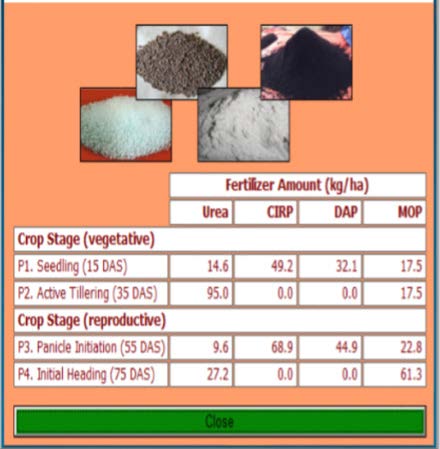
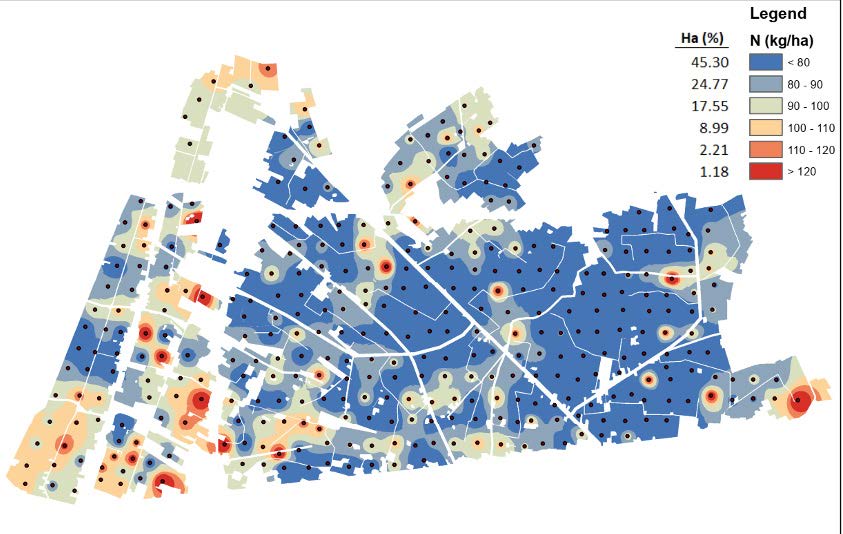
RiceFert is a location-specific fertilization technology for rice crops. The latest version, RiceFert-OC, has been upgraded to use JavaScript for online access. As of 2022, this technology will be accepted in all major rice granaries in peninsular Malaysia and areas outside the granaries. Currently, the National Rice Geospatial Information Committee uses the RiceFert system for digital mapping and fertilization recommendations via the website https://makgeopadi.mysa.gov.my .


PESTISORB
Pestisorb technology consists of a combination of local agricultural wastes that have been identified as effective in reducing pesticide residues in the environment. The identified materials are coconut shells and rice husks. To enhance the effectiveness of Pestisorb, these materials were burned into biochar through controlled combustion techniques. All of these biochars were then characterized through CHN-elemental analysis, ash content, adsorbent pH in solution measurements, surface area (BET) and scanning electron microscopy (SEM).
-
ORGANIC FARMING TECHNOLOGY
ORGANIC LOWLAND CABBAGE PRODUCTION TECHNOLOGY
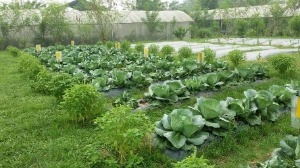
Organic cabbage production technology in lowlands was generated to ensure a continuous supply of organic cabbage in lowlands and can be cultivated more efficiently. This production package covers various aspects such as seedling management, site preparation, planting in the field, fertilization and irrigation as well as harvesting and post-harvest handling has been successfully produced. Economic analysis also shows that organic cabbage cultivation in lowlands is viable and capable of providing good returns.
ORGANIC AND INTENSIVE CHILI PRODUCTION TECHNOLOGY PACKAGE
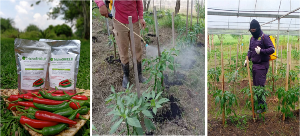
This organic chilli production technology package involves the use of MARDI technology such as BioRichar fertilizer as an organic fertilizer and TrichoMAR as a biopesticide to control chilli anthracnose disease. This technology package also suggests lettuce as a companion crop for chilli, while Turnera subulata flowers act as a border crop that hosts the natural enemy (turtle beetle) for aphids. This organic and intensive chilli production technology package can help increase local organic chilli production from myOrganic farms in the country.
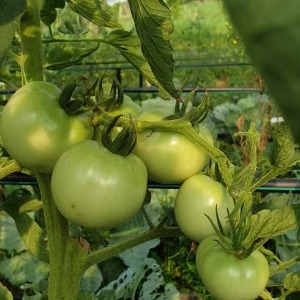
INTENSIVE PRODUCTION TECHNOLOGY OF ORGANIC FRUIT VEGETABLES – CHILI AND TOMATO (REGU PLANT)
This intensive organic production technology for fruit vegetables (chili and tomato) uses a double planting method with leafy vegetables. The results of the study found that chili is suitable for planting with lettuce which acts as a repellent plant, while tomatoes are suitable for planting with kailan and mustard which function as attractant plants.
ORGANIC VEGETABLE PEST MANAGEMENT TECHNOLOGY PACKAGE
This technology package for pest and disease management uses selected biopesticides for chili plants as well as the effects of flower strips (tunera) and lemongrass on okra plants. For the main diseases and pests of chili, it was found that Trichoderma -based biofungicides can reduce the incidence and severity of anthracnose disease in chili, while the use of garlic oil, neem and Bioguard can reduce the population of aphid and whitefly pests. Cultivation of okra with tunera and lemongrass using ecological engineering methods showed a decrease in the number of pest insects compared to the control. The tunera group had a higher number of beneficial insects compared to lemongrass and the control. The sales revenue of okra was higher in the tunera group.

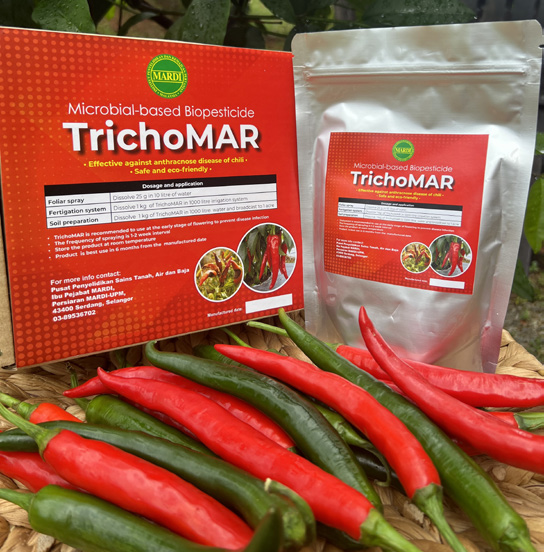
BIOPESTICIDE TRICHOMAR FOR THE CONTROL OF ANTHRACNOSIS DISEASE IN CHILI
TrichoMAR technology contains at least an average colony forming unit (CFU) of 1.0 x 10⁷. Field applications have also found that TrichoMAR is able to reduce anthracnose disease infections by up to 88%. TrichoMAR application in the field is by spraying for a period of time between 7 - 10 days starting at the early stage of fruit production and can also be applied in the preparation of soil and planting medium.
BIO-ORGANIC FERTILIZER (BIORICHAR)
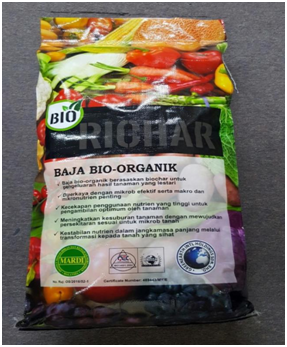
Bio-Organic fertilizer formulation based on biochar and agricultural biomass waste enriched with macro and micronutrients, as well as beneficial microbes essential for higher and sustainable organic crop production. This eco-friendly and cost-effective technology aims to provide more sustainable and optimal organic production results. This fertilizer formulation complies with myOrganic guidelines for certified organic farms and individuals interested in eco-friendly agriculture.
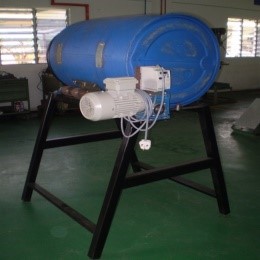
RAPID ROTATING COMPOSTING FOR VEGETABLE WASTE
The rotating rapid composting system uses electricity to rotate a bin containing a mixture of waste using the correct C/N ratio and uses the concept of aerobic degradation to produce compost. The system is portable and can be used by small-scale farmers and is affordable. It is believed that the system can solve the environmental pollution caused by agricultural waste and increase farmers' income through the production of high-quality compost.
-
MUSHROOM TECHNOLOGY
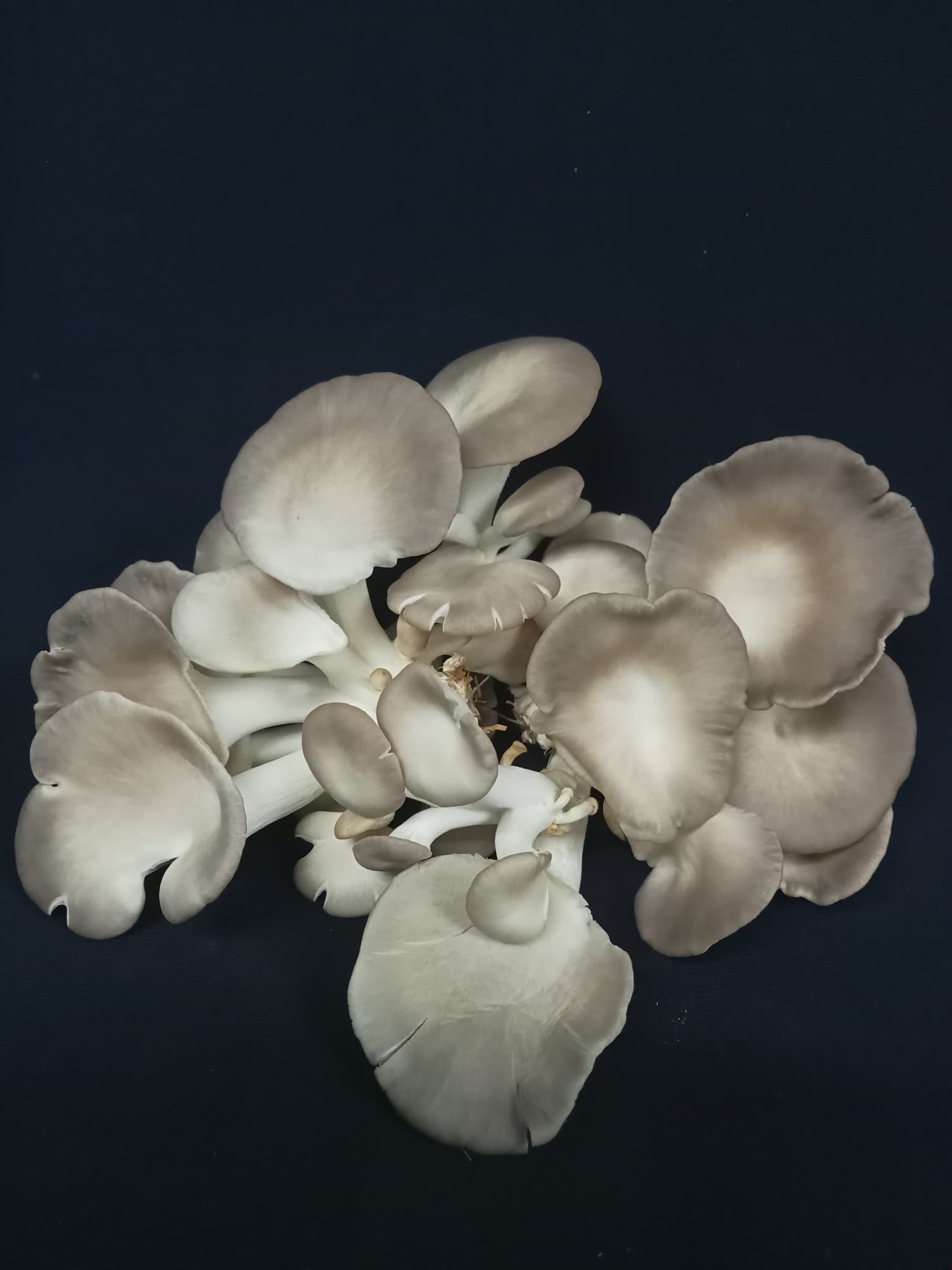
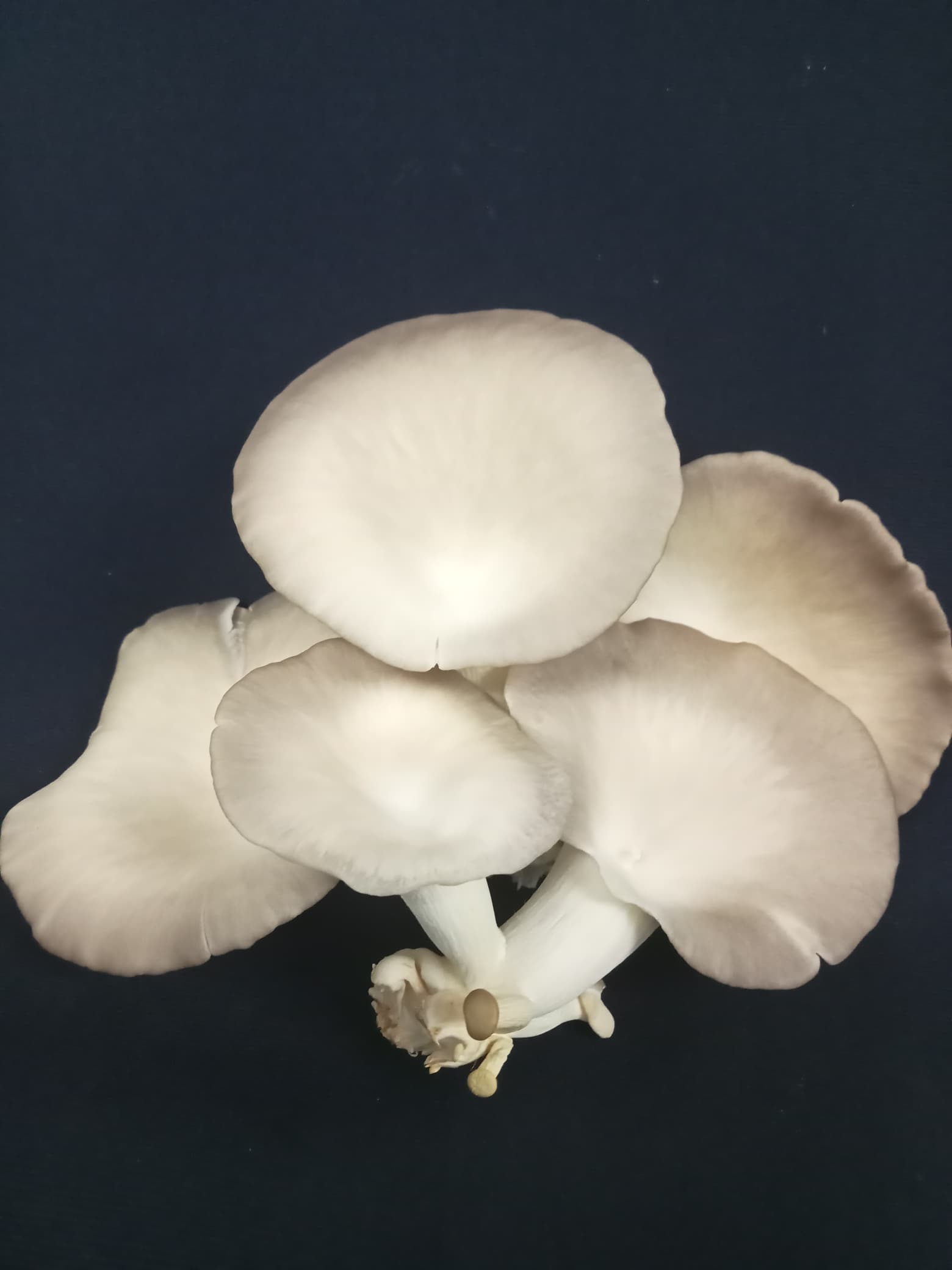
CULTURE OF GRAY OYSTER MUSHROOM, MP 9 AND MP 28 ISOLATES
The production technology of grey oyster isolates MP 9 and MP 28 has been found to provide better quality compared to oyster mushrooms available on the market. The advantages in terms of quality and larger size and thickness of the isolated mushrooms compared to those currently available on the market. The isolated mushrooms are able to produce faster results, longer lasting results and isolates that are more resistant to contamination compared to mushroom isolates on the market.

GREY AND CURRENT OYSTER LIQUID SEEDS
Liquid seed production technology for grey oyster mushrooms (MP 9 and MP 28) and kukur mushrooms was produced using a bioreactor. Liquid seeds for both types of mushrooms showed faster mycelium growth and mushroom production than solid seeds. In terms of yield production, liquid seeds were equivalent to solid seeds. The use of liquid seeds recorded a lower contamination rate than solid seeds, around 3%. Liquid seeds were also used as a starter inoculum for solid seed production. The advantage is that it can reduce the production time and reduce the contamination rate of solid mushroom seeds (wheat seed substrate).
SOLID SEEDS OF GREY AND WHITE OYSTER MUSHROOMS
The technology for producing solid seeds of grey oyster mushrooms (MP 9 and MP 28) and kukur mushrooms has been produced using wheat seeds as a substrate. The seeds produced can increase yields (fast yield production and 39 days of ripening period) and reduce the percentage of contamination.


ADJUSTABLE VOLUME LIQUID SPAWN INJECTOR ( AVLI )
ALVI is a special tool for injecting liquid seeds into bags of sawdust substrate (mushroom growing medium). The use of this tool can increase productivity by reducing the number of workers required for the seed injection process. Labor (time) savings of up to 60% are achieved for seed injection by using this equipment. The use of this tool can also reduce contamination of sawdust blocks when compared to conventional injection. This tool is portable and can be used anywhere if needed.
POST-HARVEST PRACTICES FOR KUKUR MUSHROOMS
Post-harvest practices for grey oyster mushrooms MP 9, MP 28 and kukur have been developed. For the MP 28 and kukur isolates, freshness is maintained for up to two weeks when stored at 20 °C. On the other hand, grey oyster MP 9 lasts longer, for three weeks at the same temperature.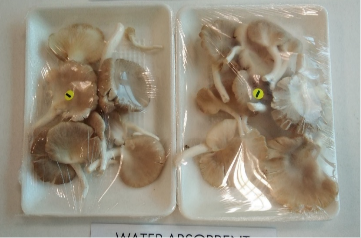
DRIED MUSHROOM PRODUCTION TECHNOLOGY
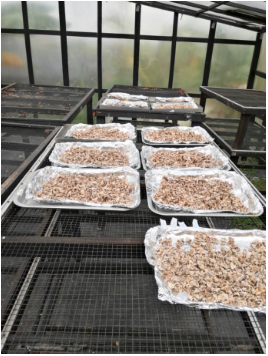
The technology for producing dried kukur mushrooms is produced through the use of solar houses. Solar houses are building structures that are completely covered with bright plastic. This drying system allows dried kukur mushrooms to last up to six months. These dried mushrooms need to be soaked in water before cooking.
-
FERTIIZER TECHNOLOGY
REALSTRONG N BIO-BOOSTER
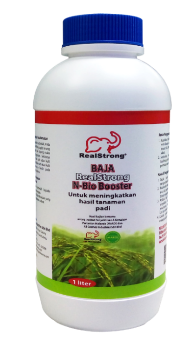
RealStrong N Bio-Booster biofertilizer was developed using a strain of Bacillus subtillis (NCF4) isolated from compost and produced using a cost-effective medium, MARDI Growth Medium (MGM). Results from studies on the enhancement of RealStrong N Bio-Booster biofertilizer have shown positive effects on soil chemistry (pH, total N and total carbon) and the population of beneficial microorganisms in the soil.
GREENCOAT FERTILIZER FOR MANGO AND PAPAYA
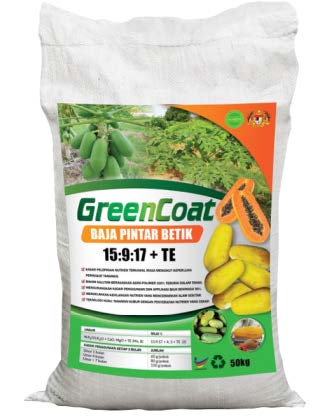
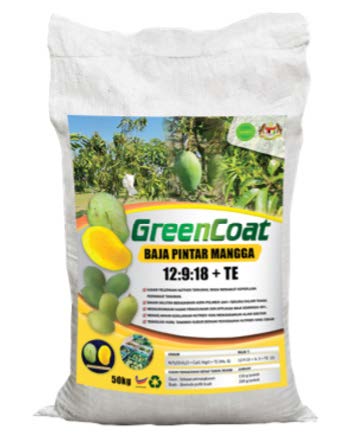
GreenCoat Smart Fertilizer technology for mango and papaya plants, a result of MARDI research, can help fruit entrepreneurs and producers increase the yield and quality of fruits while reducing production costs and is indirectly expected to reduce the selling price of mango and papaya. In addition, this fertilizer is also environmentally friendly because it is a slow-release and time-controlled fertilizer that can reduce nutrient leaching rates, reduce fertilizer use rates and increase nutrient uptake efficiency.
GLADIATOR 1.0
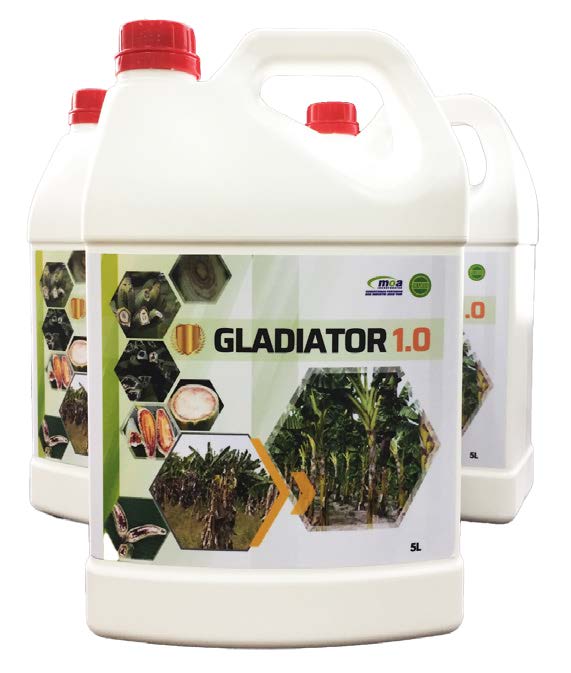
GLADIATOR1.0 is a beneficial bacterial inoculant that induces systemic resistance in banana plants against blood diseases. This product is developed using local beneficial bacteria Baccilus sp. bacteria which is formulated in liquid form and applied by watering on the roots of banana trees. Apart from being an eco-friendly product, Gladiator 1.0 is also effective in controlling diseases up to 92% and is considered a green technology and suitable for both conventional and organic banana production. It also promotes vegetative growth, accelerates the production of flower bunches and bananas and can provide higher yields.
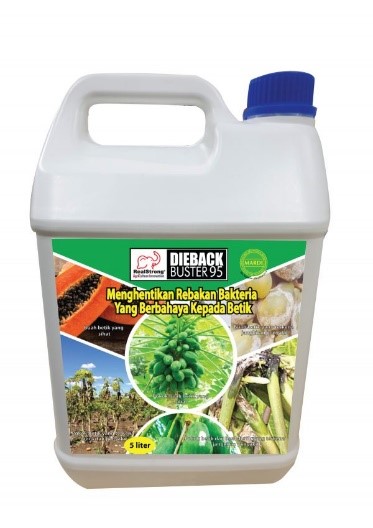
DIEBACK BUSTER
Dieback Buster is a bio-inoculant that can protect papaya from dieback disease caused by Erwinia mallotivora (ER), previously known as Erwinia papayae. With a systemic resistance mechanism, Dieback Buster will act as a microbial inoculant to trigger the plant's immune system to prevent infection from the Erwinia mallotivora bacteria .
CAMOB FOLIAR FERTILIZER
CAMOB's calcium nutrient chelate technology or foliar fertilizer is developed to ensure that calcium can be mobilized effectively and efficiently into plant tissues. This fertilizer is water soluble and easy to apply to the leaves, facilitating efficient absorption by the plant. CAMOB products are also stable under normal storage and are non-toxic.

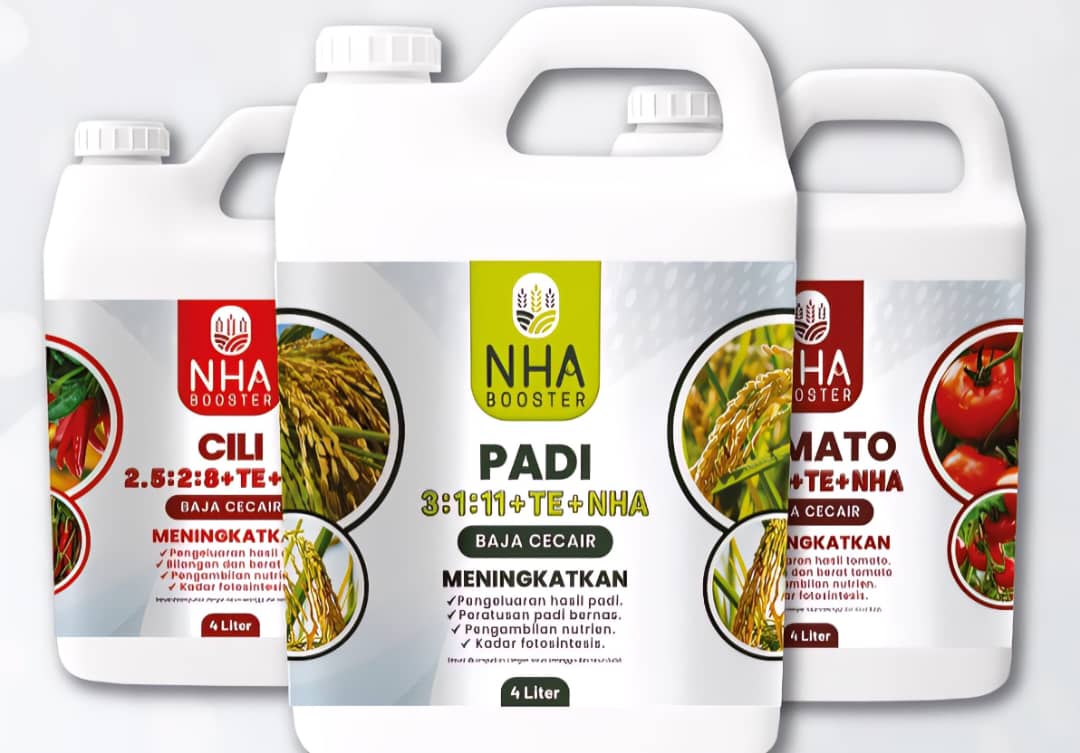
NITRO-HUMIC ACID (NHA)
Nitro-humic acid (NHA) is a macromolecular substance with active biochemical properties. It is known for its functions in improving soil fertility, promoting nutrient absorption by plants, enhancing soil biological activity and enhancing enzyme activity to enhance the efficiency of leaf photosynthesis. It also has a variety of applications but is commonly used in the production of fertilizer products.
VEGETABLE FERTILIZING TECHNIQUES WITH SELENIUM
The technique of fertilizing vegetables with selenium (Se) was developed to produce Se-enriched plants. Significant increases in Se content were observed when Se was included in the fertilization program compared to conventionally grown vegetables. These Se-enriched vegetable products are seen to be able to further diversify Se-enriched food sources and reduce the incidence of Se deficiency among Malaysians.

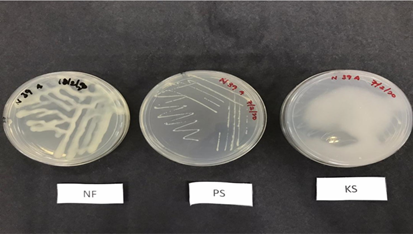
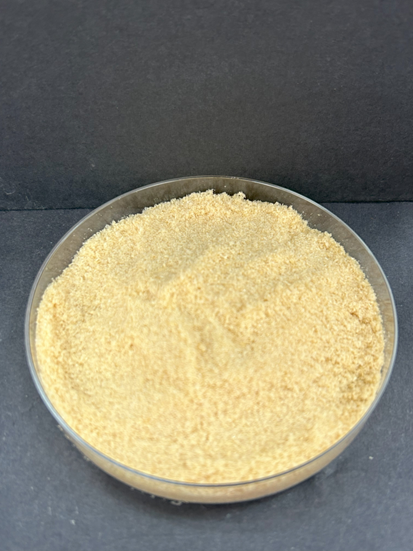
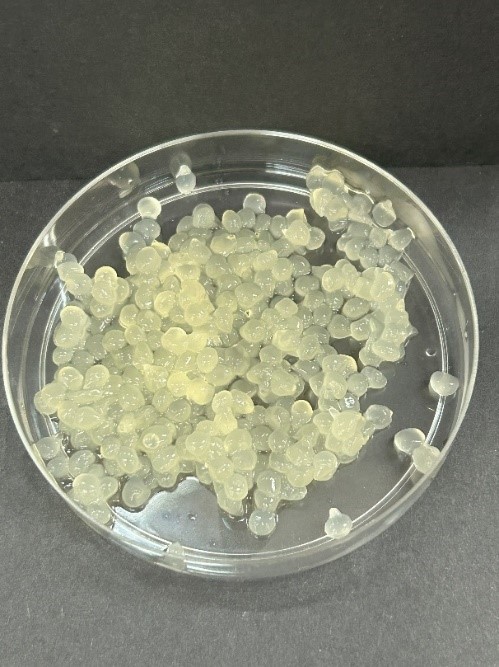
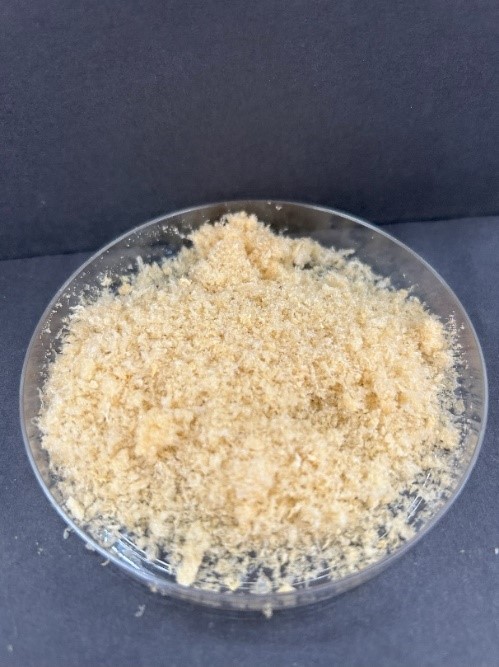
BENEFICIAL SOIL INOCULATE CAPSULES (BIOPLUS)
Bio+ contains three types of beneficial soil bacteria, namely Bacillus velezensis which has three functions, namely binding nitrogen and dissolving phosphorus and potassium, while Paenibacillus polymyxa and Bacillus amyloliquefaciens which have two functions, namely binding nitrogen and dissolving phosphorus) which are able to increase the efficiency of nutrient uptake by plants and increase soil fertility by converting nutrients bound in the soil into nutrients available for plants to take up.
Livestock Science Technology
-
LIVESTOCK BREED
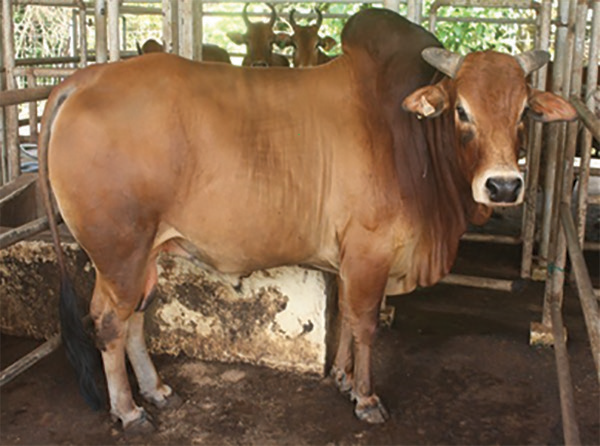
ELITE KEDAH-KELANTAN (KK) CATTLE BREED
The KK Elit cattle are a local breed suitable for livestock farming, with mature males weighing 430 - 460 kg and females weighing 220 - 250 kg at 3 - 4 years of age. They are resistant to parasites, well-adapted to the Malaysian climate, and have good reproductive performance (80 - 90% pregnancy rate). They can produce a 56% carcass with a meat to bone ratio of 4.9:1, and can eat all suitable grasses, making them an ideal choice for farmers.
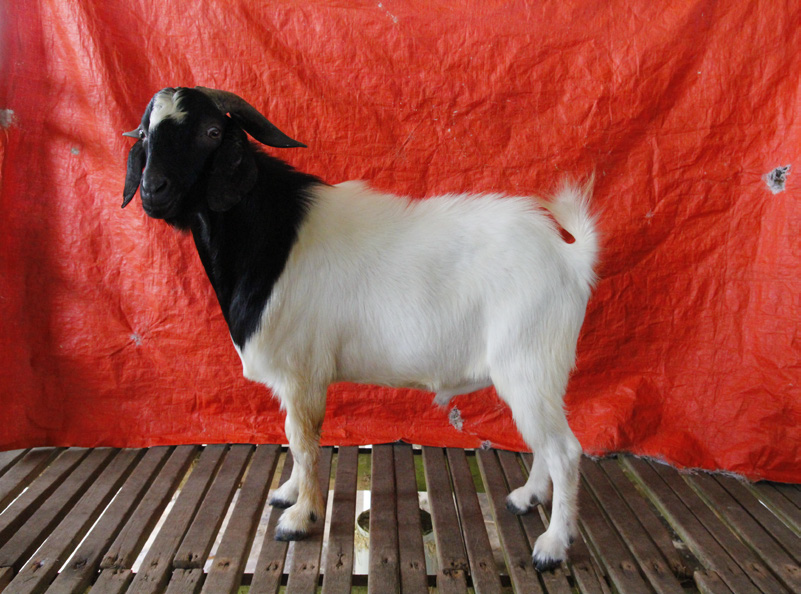
KATJANG X BOER GOAT (BK)
The BK goat is a local breed suitable for livestock, with a mature weight of 48 - 50 kg at two years of age and high resistance to worms. It has good reproductive performance (88.7% pregnancy rate, 121.4% birth rate, and 42% twins) and can be bred as early as 10 months of age. The goat produces high quality carcasses (49 - 51%) with a meat-to-bone ratio of 3.65:1 and low odor, making it an ideal choice for farmers.
MARDI VILLAGE CHICKEN/SAGA CHICKEN
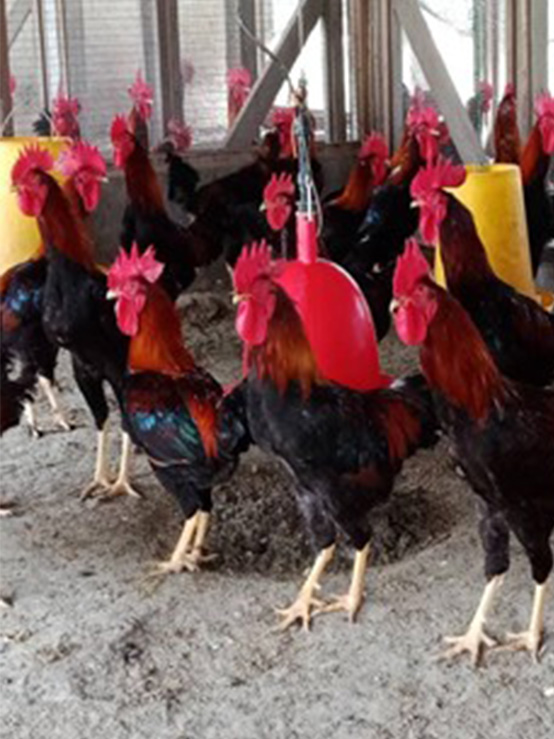
Saga chicken is a native local breed of chicken that is dual-purpose for meat and egg production and is suitable for raising in all types of production systems.

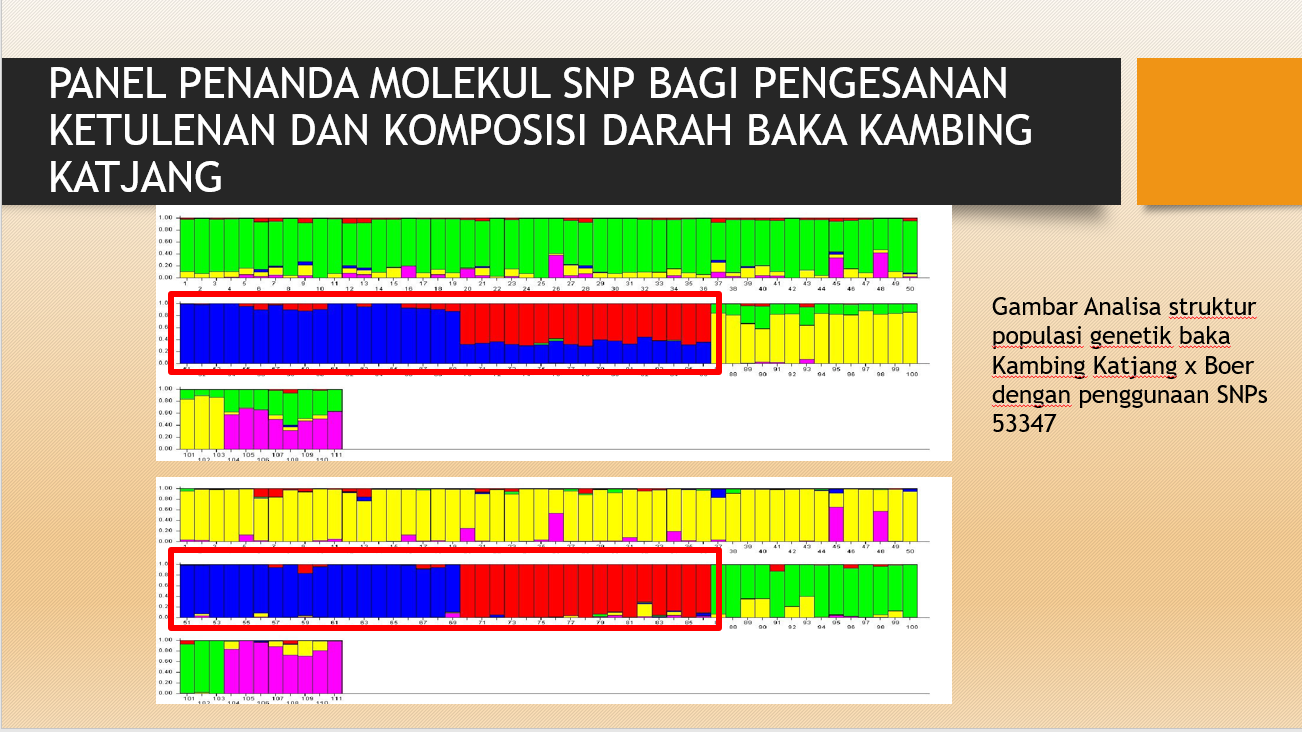
SNP MOLECULAR MARKERS FOR PURE KATJANG
This technology provides a more accurate platform through the application of DNA technology for the identification of purebred goat breed composition. Therefore, the development of new breeds will be more accurate and effective, directly and reduce the costs involved.
MOLECULAR MARKER FOR KATJANG-BOER CROSS GOATS
Genetic markers assist in the more accurate selection of Katjang-Boer cross goats that have good growth performance at an early stage, as early as six months of age.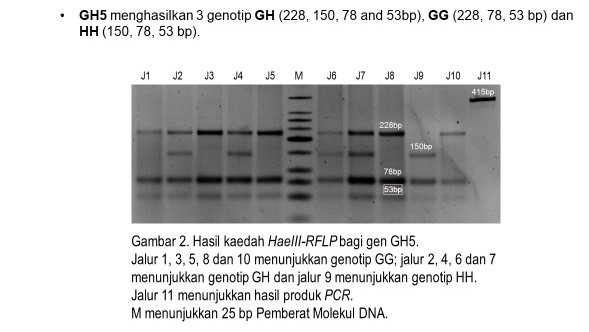
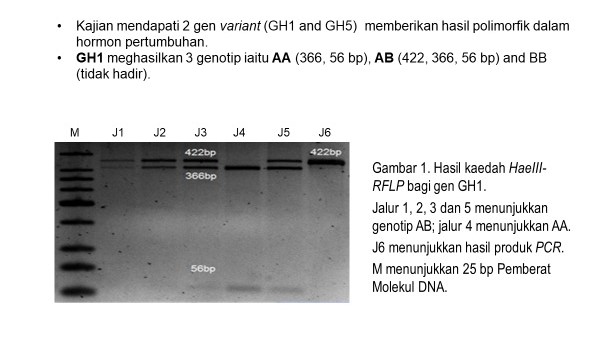
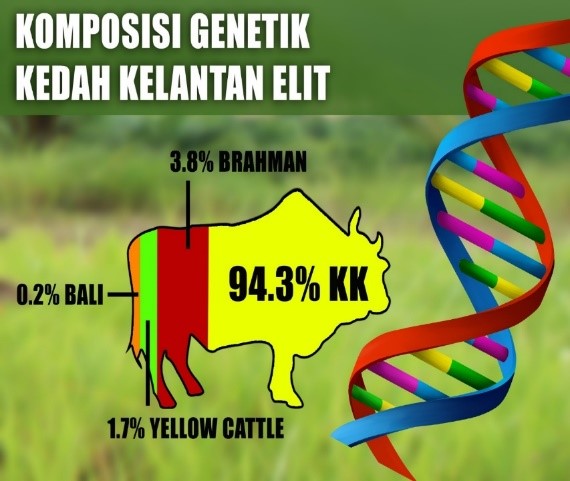
MOLECULAR MARKER FOR SELECTED BRAKMAS AND KEDAH-KELANTAN STRAINS
SNP marker panels can be used by cattle breeders in identifying/confirming the level of breed purity or blood composition of the breed before starting any breeding program.
-
FORMULATION
KATJANG-BOER PRECISION FEEDING FORMULATION PACKAGE
This technology can help farmers achieve optimal livestock weight with formulations according to production stages. This technology is able to help increase livestock body weight by up to 35 – 40%.


CHICKEN FOOD FORMULATION BASED ON LOCAL SOURCES
MARDI has also succeeded in producing two types of village chicken feed formulations, namely palm kernel meal-based known as PKfeed and temukut-based. The use of these local ingredients is able to replace more than 40% of imported corn and soybean meal.
PROPER NUTRITION (BK GOATS, BRAKMAS COWS AND ELITE KK COWS)
The concept of proper nutrition is the provision of livestock feed according to nutritional needs to increase the level of production and quality of the breed produced.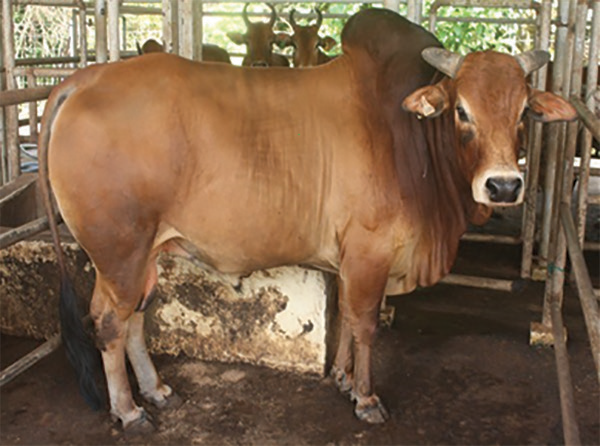

-
PROCESSING & BIOPROCESSING
AUTOMATIC SILAGE MAKING MACHINE
The Otosil® machine functions to produce silage, which is a type of ruminant feed that undergoes a curing process and is produced in airtight containers made of either plastic or drums.

Industrial Crop Technology
-
COCONUT
MARENA
MARENA hybrid coconut is a cross between the Malayan Red Dwarf (MRD) and the Laguna Tall (LAGT) coconut palms. It is a hybrid coconut with large-sized fruits and high yield potential, capable of producing up to 25,000 nuts/ha/year.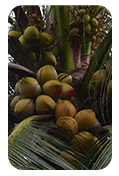
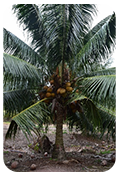
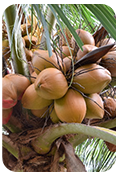
MARLECA
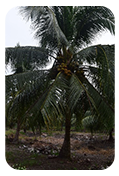
The MARLECA hybrid coconut is a cross between the Malayan Red Dwarf (MRD) and the Niu Leka (NLAD) coconut palms. It is a hybrid coconut with large-sized fruits and a relatively slow growth and height increase, with a yield potential of 25,000 nuts/ha/year.CARENI
Merupakan kelapa kacukan Cameroon Red Dwarf (CRD) dan Nias Green Dwarf (NGD). Kelapa hibrid untuk minuman segar dengan potensi hasil sebanyak 32,000 biji/ha/tahun.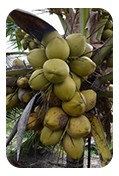
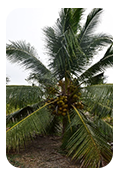
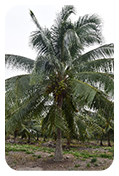
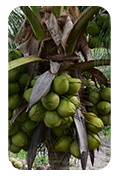
MYLAG
The MYLAG hybrid coconut is a cross between the Malayan Yellow Dwarf (MYD) and the Laguna Tall (LAGT) coconut palms. It is a high-yielding hybrid coconut with a yield potential of 25,000 nuts/ha/year.MYLECA
The MYLECA hybrid coconut is a cross between the Malayan Yellow Dwarf (MYD) and the Niu Leka (NLAD) coconut palms. It is a hybrid coconut with a relatively slow growth and slow height increase, with a yield potential of 23,000 nuts/ha/year.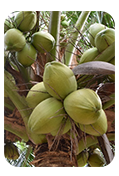
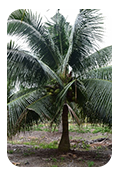
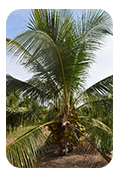
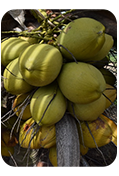
CARECA
This is a hybrid coconut variety resulting from a cross between the Cameroon Red Dwarf (CRD) and the Catigan Green Dwarf (CTAD). It is a hybrid coconut developed for fresh drinking, with a high yield potential of up to 32,000 nuts/ha/year. -
ROOT CROPS
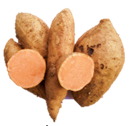 VITATO
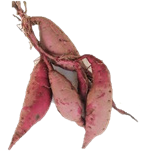
ANGGUN 1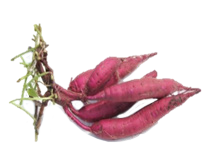
ANGGUN 2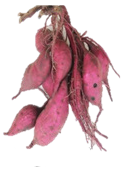
ANGGUN 3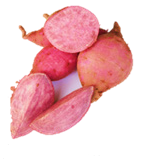
LEMBAYUNGHIGH-NUTRITION SWEET POTATO VARIETIES
Development of sweet potato aims to produce new superior varieties that are high-yielding and high-value, rich in nutrients, and provide economic returns to sweet potato growers and producers, particularly in the food industry.
SWEET POTATO FERTIGATION TECHNOLOGY
The sweet potato fertigation cultivation system can enhance the production of quality sweet potatoes. Fertilization is one of the important components in increasing the yield of sweet potato tubers. Sweet potatoes require balanced plant nutrition at every growth stage. Therefore, a specific fertilizer has been developed by MARDI to enhance the growth and yield of sweet potato tubers.
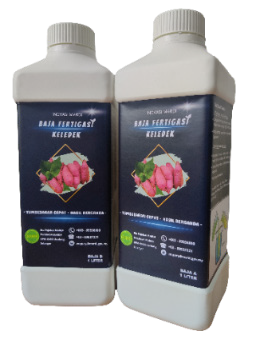
Baja fertigasi keledek 

Penanaman keledek secara fertigasi Hasil ubi menggunakan baja fertigasi keledek 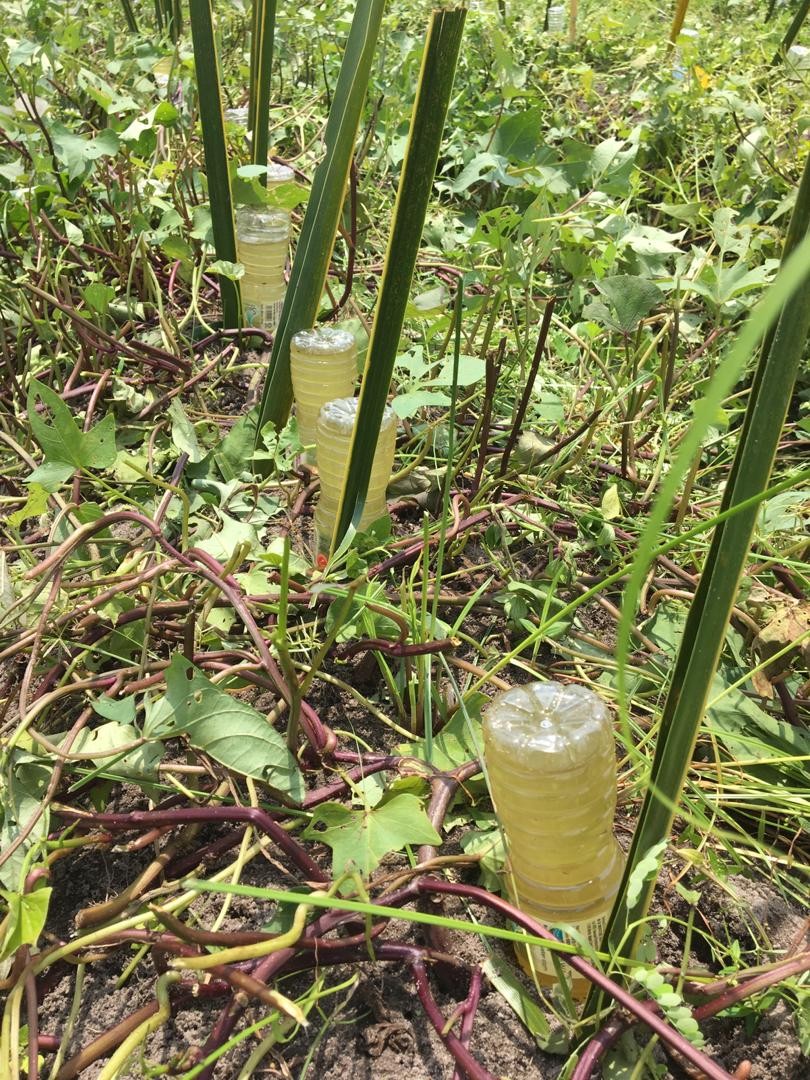
BIOPESTICIDE FOR WHITE GRUB CONTROL IN SWEET POTATO CROPS
A formulation based on a combination of plant extracts for the control of white grubs in the field via the drenching/reservoir method.
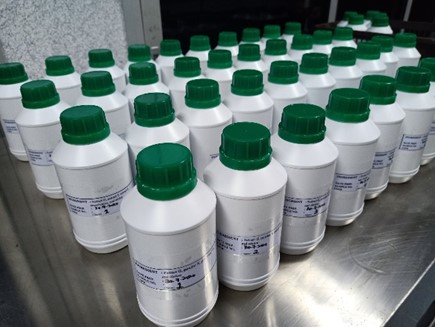
METHOD FOR CONTROLLING CURVULARIA LEAF SPOT IN SWEET POTATO CROPS
A formulation based on herbal extracts from spices and plants for the control of Curvularia leaf spot disease. The percentage of the disease index (PDI) decreased by 72% after the second spray application.
SWEET POTATO POST-HARVEST HANDLING
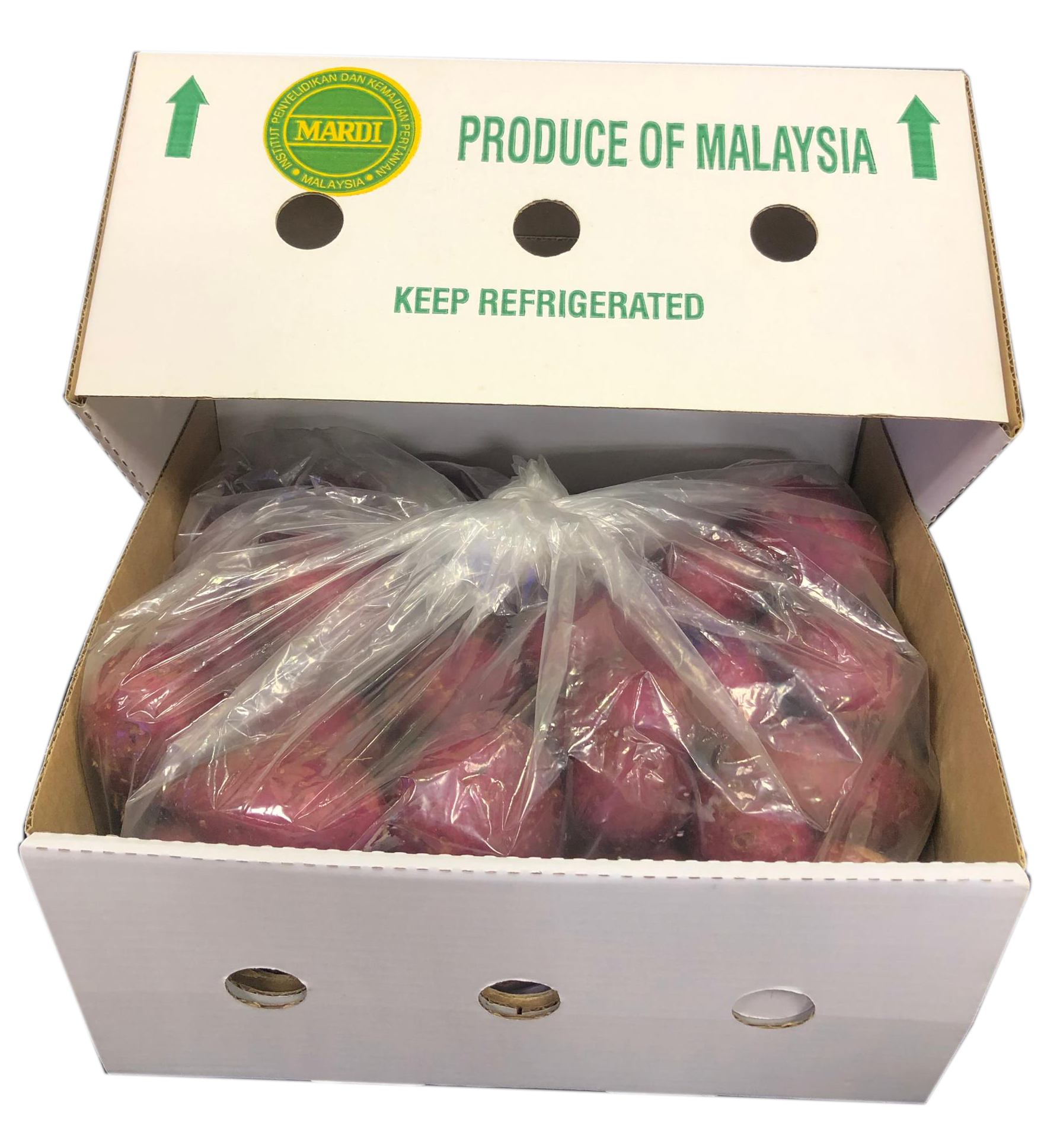
The technology for sweet potato post-harvest handling has been developed covering harvesting index, sanitation, curing, packaging, and storage.
POST-HARVEST HANDLING OF FRAGRANT TARO
The post-harvest handling technology developed in this study takes into account the precise timing of taro corm harvesting, which is crucial for taro to ensure premium quality, high nutrition, and optimal taste. The taro corms must be cured to maintain quality (healing mechanical injuries on the skin, reducing spongy texture/pithiness, maintaining pseudostem freshness, slowing fungal growth) and to extend shelf life.


APPLICATION OF PLANT GROWTH REGULATOR (PGR) TO INCREASE SWEET POTATO YIELD
PGR application can increase sweet potato yield (2.4 kg/plant using the fertigation system and 1.2 kg/plant using the conventional method) compared to without PGR (1.5 kg/plant using the fertigation system and 0.86 kg/plant using the conventional method).
-
GRAINS
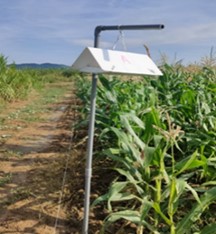
IPM CONTROL METHOD FOR FALL ARMYWORM (FAW) PESTS IN MAIZE CROPS
The IPM control method for grain maize involves the installation of pheromone traps and the alternating spraying of three types of pesticides, consisting of biopesticides and chemical pesticides, based on the level of FAW infestation at different plant ages.

GRAIN MAIZE PRODUCTION TECHNOLOGY
This technology was developed by MARDI to address the issue of the shortage in local grain maize production and the reliance on imported grain maize sources for the production of animal feed. A standard operating procedure (SOP) for grain maize production has been developed, encompassing variety selection, agronomic practices, disease and pest management, and efficient post-harvest handling.
-
COFFEE
MARDI LIBERICA COFFEE CLONES: MKL 8, MKL 9 & MKL 10
Three new Liberica coffee clones were launched in 2023. The potential yield of coffee berries (coffee fruit) is between 17 – 25 tonnes/ha, which is 60% higher than the yield of commercial Liberica coffee clones. The yield of coffee beans (hulled coffee) is between 1.9 – 2.7 tonnes/ha, with a high conversion rate from coffee berries to coffee beans of between 9.9 – 10.8%, which is 25% higher than the yield of commercial Liberica coffee clones.

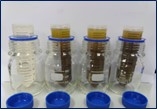
PHYTONUTRIENT AND FATTY ACID RICH GREEN COFFEE OIL
Green coffee from MARDI Liberica clones (MKL 5, MKL 6, and MKL 7) treated with 0.25% salt was used as the raw material for the production of green coffee oleoresin oil with a high content of main components: linoleic acid and phytosterols.
OPTIMUM DRYING TECHNIQUE FOR GREEN COFFEE BEANS (COFFEE BEAN)
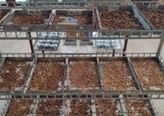
Coffee beans from selected clones, namely MKL8, MKL9, and MKL10, are harvested at optimum maturity and dried in a mechanical dryer at a temperature of $60^\circ \text{C}$ for 8 hours for every 5 kg of coffee beans.

MASS PROPAGATION TECHNOLOGY FOR COFFEE PLANTING MATERIAL
A study on the mass propagation of Liberica coffee was carried out using the Liberica coffee orthotropic stem cutting method, which successfully generated a survival rate exceeding 80% and reduced the production period to 8 – 9 months.
- Last updated on .
- Hits: 665347
 MS ISO/IEC 17025